

 The Home Growns
Problem #6: Too Much Shade — Growing a Beautiful Garden in Low-Light Areas
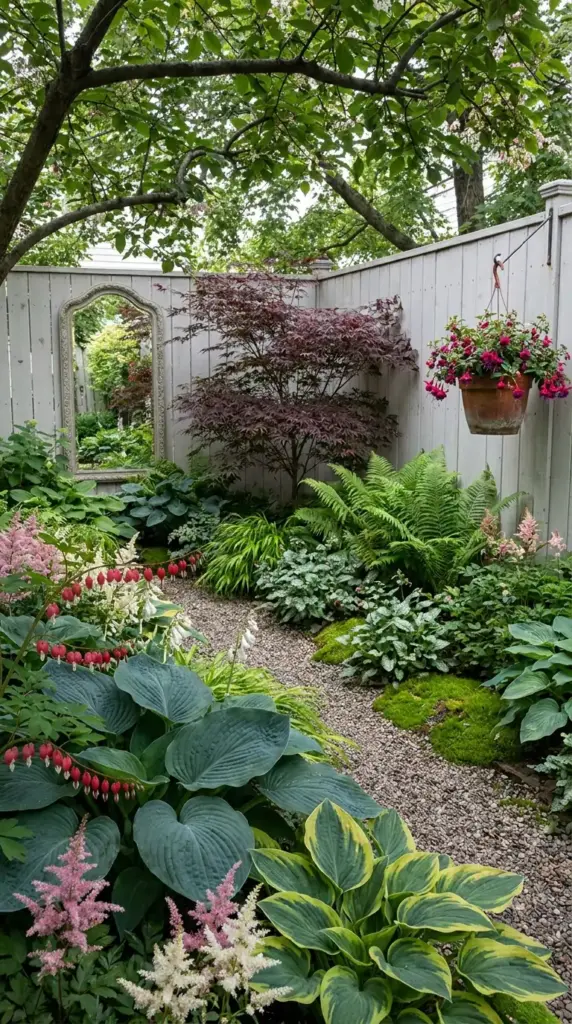
My first backyard was basically a cave.
A beautiful, tree-lined, completely sun-blocked cave. 😅
Understanding Your Shade (Because Not All Shade Is Equal)
Before you do anything else, you need to figure out exactly what kind of shade you’re working with.
This single step changes everything about how you approach a low-light garden.
Full shade means less than 3 hours of direct sunlight per day. This is common in dense urban backyards in cities like Philadelphia, Washington DC, and Chicago where tall buildings and mature trees block light for most of the day.
Partial shade means 3-6 hours of sunlight — usually morning sun with afternoon shade, or dappled light filtering through tree canopies. This is actually a really workable situation with the right plant choices.
Dappled shade is the soft, shifting light that comes through tree leaves. It’s gentler than direct sun and more plants tolerate it than you’d think.
Here’s how to map your shade accurately:
- Go outside every 2 hours on a clear day — from 8am to 6pm
- Note exactly which areas are in sun vs. shade at each time
- Do this in both spring and summer — shade patterns shift dramatically as trees leaf out
Most gardeners are surprised to discover they have more usable light than they thought once they actually track it carefully.
The Best Shade-Tolerant Plants for Every Garden Type
Let me be real with you — the selection of shade-tolerant plants is so much more exciting than most people expect.
We’re not talking about boring green blobs. We’re talking dramatic foliage, stunning flowers, and lush textures that honestly look better in shade than they would in full sun.
For flower beds:
- Astilbe — feathery plumes in pink, red, white, and purple that bloom mid-summer. Absolutely stunning in shaded borders and requires almost zero maintenance
- Hostas — the undisputed queen of shade gardening. Available in hundreds of varieties with foliage ranging from tiny to dinner-plate sized, in colors from blue-green to gold to variegated white
- Bleeding heart (Dicentra) — delicate heart-shaped flowers in pink and white that bloom in spring. They look like something out of a fairy tale
- Hellebores — also called Lenten roses, they bloom in late winter to early spring when almost nothing else does. Perfect for gardeners in DC, Philadelphia, and Atlanta who want year-round interest
- Lungwort (Pulmonaria) — spotted silver foliage that brightens dark corners dramatically, with blue and pink flowers in early spring
For vegetable gardens in partial shade:
This is where I have to be honest with you — most vegetables need at least 6 hours of sun to produce well. But there are exceptions:
- Lettuce and salad greens actually prefer partial shade in hot climates — it prevents them from bolting in summer heat. Perfect for Dallas and Atlanta gardeners
- Spinach tolerates 3-4 hours of sun and produces well in cool, shaded conditions
- Kale and chard manage reasonably well in partial shade, though yields will be lower than in full sun
- Herbs like mint, cilantro, and parsley do surprisingly well with just 3-4 hours of light
For container gardens in shady spots:
- Impatiens — the classic shade container plant for good reason. They bloom prolifically all season in virtually any shade condition
- Caladiums — dramatic tropical foliage in combinations of red, pink, white, and green that look absolutely gorgeous on shaded porches and patios
- Fuchsia — cascading flowers in jewel tones that look stunning in hanging baskets on covered porches
- Begonias — incredibly versatile, long-blooming, and available in colors that complement virtually any home decor style
How to Redesign Your Garden Layout to Maximize Light
Sometimes the shade problem isn’t about the plants — it’s about the layout.
A few strategic changes can dramatically increase the usable light in your garden without cutting down a single tree.
Raise your beds. Literally. Elevated raised beds — built 24-36 inches tall instead of the standard 12 inches — can lift plants above low fences and shrubs that are blocking light at ground level. I’ve seen this single change transform a shady urban backyard in Philadelphia completely.
Prune strategically. You don’t have to remove trees to get more light — sometimes selective crown thinning by a certified arborist opens up 30-40% more light without changing the character of your yard at all. This typically costs $200-$500 depending on tree size and is worth every penny.
Remove lower branches on large trees to raise the canopy — this lets more horizontal light reach garden beds underneath without reducing the tree’s overall shade coverage above.
Reposition your containers. This sounds obvious but it’s genuinely underutilized. Track where the sun moves across your yard and physically move container plants to follow the light throughout the day. A wheeled plant caddy (around $15-$25 at most garden centers) makes this effortless.
Orient new beds east-to-west rather than north-to-south. Beds running east to west receive more even sun exposure throughout the day — especially important in northern cities like Minneapolis, Chicago, and Seattle where sun angles are lower.
Creative Garden Design Ideas for Shady Urban Backyards
Here’s where shade gardening gets genuinely exciting — because shady gardens have an aesthetic potential that sunny gardens simply can’t match.
Think: lush, layered, moody, and magical. The kind of garden that makes people stop and stare.
The layered woodland garden is my absolute favorite design approach for shady urban backyards. The idea is to mimic the natural structure of a forest floor:
- Tall layer: Small ornamental trees or large shrubs — Japanese maples, serviceberry, or witch hazel
- Mid layer: Medium shrubs and large perennials — hydrangeas, ferns, astilbe
- Low layer: Ground covers and small perennials — hostas, ajuga, sweet woodruff
- Ground layer: Moss, creeping thyme, or decorative mulch
This layered approach creates incredible visual depth and texture — and it’s actually lower maintenance than a traditional sunny garden because the layers shade out weeds naturally.
The white garden is a classic design trick for dark spaces. Planting predominantly white and pale yellow flowers makes a shaded garden feel dramatically brighter and more open — even without adding a single lumen of actual light.
White astilbe, white hostas, white impatiens, and white bleeding heart together create a garden that practically glows in low light. It’s genuinely breathtaking at dusk.
The Japanese-inspired shade garden works beautifully in small urban backyards in cities like Washington DC and Philadelphia. Clean lines, carefully placed stones, moss, ferns, and a single statement Japanese maple create a serene, sophisticated space that looks intentional and designed — not like a shady problem you gave up on.
This aesthetic pairs beautifully with modern and minimalist home decor styles — which I know a lot of you are drawn to.
Using Mirrors, Reflective Surfaces, and Light-Colored Mulch to Brighten Dark Spaces
Okay, this is the section where people usually look at me skeptically — and then come back later to tell me it actually worked.
Garden mirrors are genuinely transformative in shady spaces. A large mirror mounted on a fence or wall visually doubles the space and reflects available light back into dark corners.
Use mirrors specifically designed for outdoor use — regular indoor mirrors will deteriorate quickly in outdoor conditions. Brands like Fallen Fruits make beautiful outdoor garden mirrors starting around $40-$60.
Place them strategically to:
- Reflect light from a sunny area into a darker corner
- Create the illusion of a pathway or opening in a small enclosed space
- Bounce morning or afternoon sun into beds that only receive light for a few hours
Light-colored and white mulch reflects significantly more light than dark mulch — which is worth considering in heavily shaded beds. White marble chips or light tan pea gravel used as ground cover can noticeably brighten a dark garden bed.
The tradeoff is aesthetic — white gravel has a more formal, structured look than natural wood mulch. But in a Japanese-inspired or modern garden design, it can look absolutely intentional and beautiful.
Metallic and light-colored garden ornaments — pale ceramic pots, silver gazing balls, white-painted raised beds — all contribute to bouncing available light around a shady space.
Light-colored fence paint is probably the highest-impact change you can make. Painting a dark wood fence white or pale gray can transform the feel of an entire shady backyard — I’ve seen it make spaces feel twice as large and twice as bright almost instantly.
A gallon of exterior paint runs $30-$50 and covers approximately 400 square feet of fence. That’s one of the best returns on investment in all of garden design.
Shade Garden Aesthetics That Complement Your Home Decor
One of the things I love most about shade gardening is how naturally it lends itself to intentional, curated design.
Sunny gardens can sometimes feel a little chaotic — lots of bright colors competing for attention. Shade gardens tend to be more sophisticated by nature.
For a cottage-style home: Lean into soft textures and romantic plant combinations — bleeding heart, ferns, astilbe, and foxglove in shades of pink, white, and lavender. Add a weathered stone birdbath and some vintage-style lanterns for lighting.
For a modern or minimalist home: Keep the plant palette tight and architectural. Large-leafed hostas, clipped boxwood, and ornamental grasses in a limited color palette of green, black, and white create a clean, sophisticated look that feels like an extension of your interior design.
For a boho or eclectic home: Mix textures aggressively — trailing ferns, bold caladiums, hanging air plants, and colorful mosaic stepping stones. Layer in some macramé plant hangers on a covered porch and mismatched vintage pots for a look that feels collected and personal.
For a home decor style that leans toward art and design — which I know many of you do — consider treating your shade garden like a living art installation. Sculptural plants like Japanese forest grass, black mondo grass, and architectural ferns arranged with intention create something that feels genuinely gallery-worthy.
The key in every style is consistency. Pick a direction and commit to it — a shade garden that tries to do everything ends up feeling like nothing.
Up Next: Surviving the Heat
You’ve mastered the shade — now let’s talk about the opposite problem.
👇 Click “Next” below — because we’re diving into how to keep your garden alive and thriving during extreme heat and drought, with specific strategies for gardeners in Dallas, Los Angeles, Atlanta, and other hot-climate cities. This one is a game changer.

GIPHY App Key not set. Please check settings