

 The Home Growns
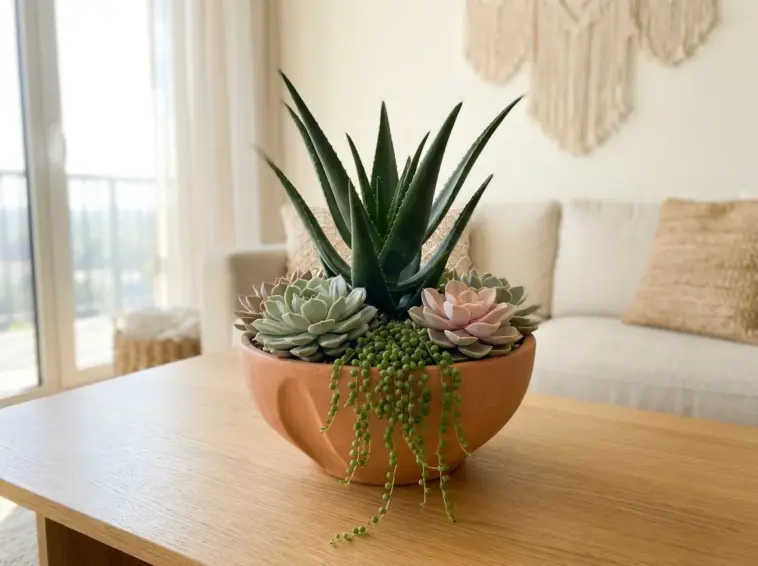
It completely breaks my heart every single time a student sends me a photo of their gorgeous new centerpiece melting into sad, brown mush. They always look so incredibly confused because they swear they barely watered it, yet the plant still died a tragic, soggy death.
Well, here is a wild reality check for you: an estimated 80% of succulent failures happen within the first two months of bringing them home. And honestly? It is almost never because of your actual watering habits, so you can stop guilt-tripping yourself right now.
The real criminal is a deceptive, invisible mechanic hiding right inside your container. For decades, well-meaning gardening guides have pushed the ultimate myth—adding a layer of loose gravel or pretty river rocks to the bottom of a pot for drainage.
I used to do this exact same thing in my early planting days, thinking I was giving my little green babies a luxury spa treatment. But it turns out, that hidden design flaw is actually a death sentence that actively destroys delicate root systems.
Once you finally unlearn this classic mistake and master a true gritty soil profile, everything changes. You unlock total design freedom to create breathtaking, flawless succulent gardens that stay vibrant and healthy for years to come.
I remember when I built my first massive indoor planter box. I filled the bottom three inches with heavy river rocks, thinking I was a total genius.
Spoiler alert: every single gorgeous Echeveria in that arrangement rotted within three weeks, and I learned a very painful physics lesson.
The Secret Killer: Understanding the Perched Water Table
The Myth of the Layered Bottom
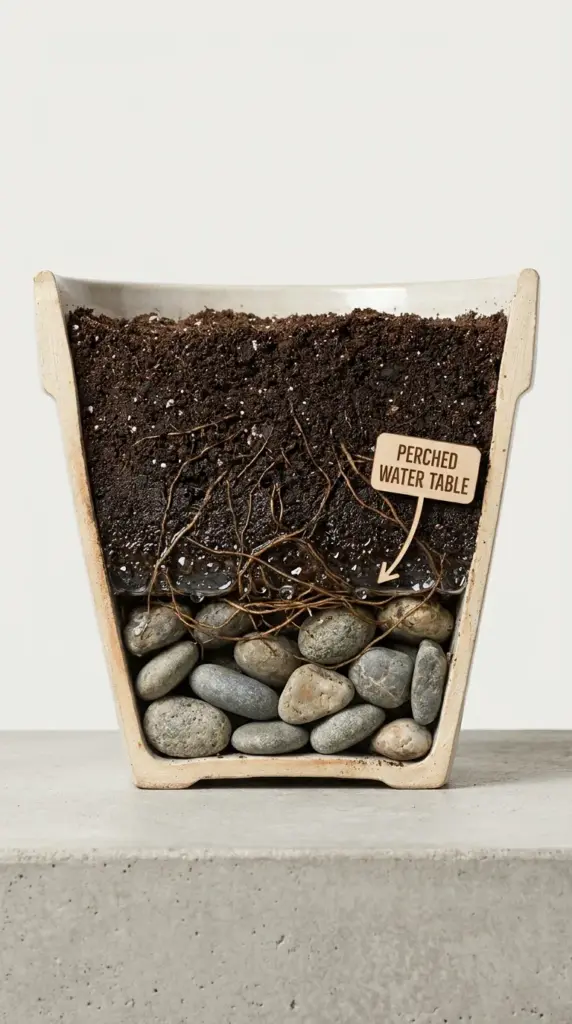
When you put rocks at the bottom of a pot, you aren’t creating drainage. You are actually shifting the sponge effect upward, creating what scientists call a perched water table.
Water does not like to cross the boundary from fine potting soil into coarse gravel until the soil is completely saturated. So instead of draining away, that water pools right at the soil line, pushing the soggy moisture directly into your plant’s sensitive root systems.
Spotting the Underground Chaos
Your succulents will actually try to scream for help before they completely collapse. If you notice the lower leaves turning slightly translucent or feeling soft and squishy, that is a massive red flag.
Healthy roots should look firm and white, but a drowning root system quickly turns into a smelly, black sludge that chokes out oxygen. Catching this early is the only way to save your favorite plants from a watery grave.
Now that we know why those sneaky bottom rocks are a total trap, we need to talk about picking the absolute perfect vessel to prevent this nightmare, so click the next button below because we are diving into how to choose stunning, breathable pots that match your home’s aesthetic perfectly.

GIPHY App Key not set. Please check settings