

 The Home Growns
I once stuffed an aggressive, fast-growing Sedum right next to a slow, delicate Haworthia in a gorgeous geometric concrete bowl because it looked cute on my kitchen counter. Within two months, that bully of a Sedum completely choked out the poor Haworthia, leaving me with an asymmetrical, messy blob.
Terracotta Dreams: Designing with Spatial Harmony
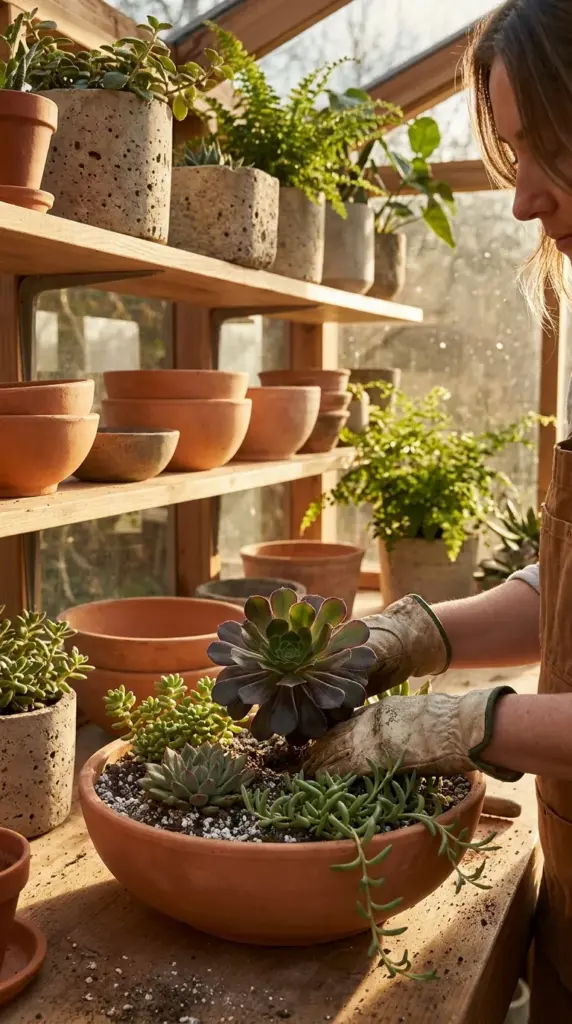
The Golden Trio: Thriller, Filler, and Spiller
Creating a drop-dead gorgeous arrangement requires a little bit of structural strategy to keep it from looking cluttered. I always teach my students the classic rule of container gardening design: you need a thriller, a filler, and a spiller.
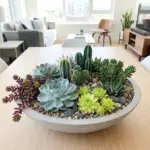
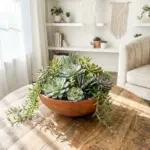
Your thriller is the bold, tall focal point—think a striking Aloe or an architectural Aeonium. The filler clumps around the base, using rosette shapes like Echeveria to pack the middle with contrasting textures. Finally, your spiller cascades beautifully over the rim, using trailing varieties like String of Pearls to draw the eye downward.
Matching Materials to Plant Respiration
You also have to balance your specific home aesthetic with how your plant actually breathes. Unglazed terracotta pots and raw concrete are absolute lifesavers for beginners because the clay is highly porous, naturally wicking away deadly moisture.
If you fall in love with a glazed ceramic or plastic pot, it can still work beautifully for your indoor succulents. However, because those materials trap humidity, you have to be extra aggressive with your aeration strategy.
But look, even the absolute prettiest terracotta pot won’t save your plants if you are using a heavy dirt blend, so hit that next button below because I am spilling my ultimate DIY gritty soil recipe that guarantees zero rot.

GIPHY App Key not set. Please check settings