

 The Home Growns
Problem #13: Seasonal Transitions — Keeping Your Garden Healthy Year-Round
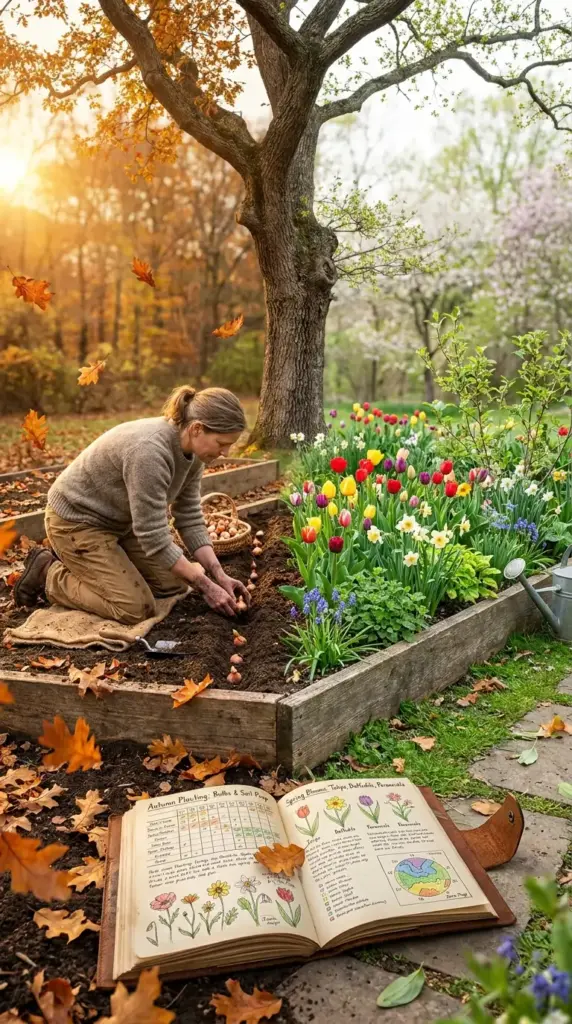
Here’s the thing about gardening that took me an embarrassingly long time to understand:
The garden you have in July is built in March. The garden you have in March is built in October.
Every season is preparation for the next one. Gardening is never really about right now — it’s always about what you’re setting up for three months from now.
Once that clicked for me? Everything got easier.
Why Seasonal Transitions Are Where Most Gardens Succeed or Fail
Most gardeners are reactive. They respond to problems as they appear — yellowing leaves, pest damage, plants that didn’t come back in spring.
The gardeners whose yards look effortlessly beautiful year-round are proactive. They’re doing specific things at specific times that prevent most problems before they start.
Seasonal garden care isn’t complicated. But it does require showing up at the right moments — even when the garden doesn’t look like it needs attention yet.
Especially when it doesn’t look like it needs attention yet.
Understanding Your Climate Zone Before Anything Else
Before any seasonal advice is useful, you need to know your USDA Hardiness Zone — because the timing of every seasonal task depends on it.
Here’s where the cities in our audience fall:
| City | USDA Zone | Average First Frost | Average Last Frost |
|---|---|---|---|
| Minneapolis | 4b-5a | Oct 1-15 | April 15-May 1 |
| Chicago | 5b-6a | Oct 15-Nov 1 | April 15-May 1 |
| Detroit | 6a | Oct 15-Nov 1 | April 15-May 1 |
| New York | 7a-7b | Oct 15-Nov 1 | April 1-15 |
| Philadelphia | 7a | Oct 15-Nov 1 | April 1-15 |
| Washington DC | 7a-7b | Oct 15-Nov 1 | March 15-April 1 |
| Atlanta | 7b-8a | Nov 1-15 | March 15-April 1 |
| Dallas | 8a | Nov 15-Dec 1 | Feb 15-March 1 |
| Seattle | 8b-9a | Nov 15-Dec 1 | Feb 15-March 15 |
| Los Angeles | 10a-11 | Rarely frosts | No frost most years |
Bookmark that table. Every timing recommendation in this section references these zones.
Fall Garden Care: The Most Important Season Nobody Takes Seriously
Fall is the season most gardeners mentally check out. The summer show is over, temperatures are dropping, and the instinct is to just… let things wind down.
That instinct is costing you a beautiful spring garden every single year.
Fall is actually the highest-leverage gardening season — the work you do in September, October, and November pays dividends for the entire following year.
What to Plant in Fall
Spring-blooming bulbs must go in the ground in fall — this is non-negotiable.
Tulips, daffodils, hyacinths, alliums, and crocuses all require a cold dormancy period to bloom properly. They need to be planted 6-8 weeks before the ground freezes — which means:
- Minneapolis and Chicago: Plant bulbs by September 15-October 1
- Detroit, New York, Philadelphia: Plant by October 1-15
- Washington DC and Atlanta: Plant by October 15-November 1
- Dallas and Seattle: Plant by November 1-15 — and in Dallas, pre-chill tulip bulbs in the refrigerator for 8-10 weeks before planting since winters aren’t reliably cold enough to provide natural chilling
Planting depth matters: plant bulbs at a depth of 2-3 times their diameter. A 2-inch tulip bulb goes 4-6 inches deep. Shallow planting is the most common reason bulbs fail to bloom.
Fall is also the best time to plant trees, shrubs, and perennials in most U.S. climates. Cooler temperatures reduce transplant stress, and fall rainfall in most regions reduces watering demands. Plants establish root systems through fall and winter — arriving in spring already settled and ready to grow.
Cool-season vegetables thrive in fall gardens across most of the country:
- Kale, spinach, and arugula can handle light frosts and actually taste sweeter after cold exposure
- Lettuce and salad greens grow beautifully in fall’s mild temperatures
- Garlic is planted in fall for harvest the following summer — plant cloves 4-6 weeks before the ground freezes, pointed end up, 2 inches deep and 6 inches apart
- Cover crops like winter rye, crimson clover, and hairy vetch planted in empty beds protect soil from erosion, suppress weeds, and add organic matter when turned under in spring
What to Prune in Fall — And What to Leave Alone
This is where I see the most well-intentioned gardeners make significant mistakes.
The instinct to “clean up” the garden in fall — cutting everything back to tidy stubs — feels satisfying. It’s also genuinely harmful to your garden ecosystem.
What to prune in fall:
- Diseased plant material — anything showing signs of fungal disease, pest damage, or bacterial infection should be removed and disposed of (not composted) to prevent overwintering pathogens
- Iris foliage — cut back to 4-6 inches after the first frost to prevent iris borer overwintering in the leaves
- Peonies — cut back to the ground after frost to prevent botrytis blight
- Annual vegetables and flowers — clear spent annuals from beds to reduce pest and disease overwintering habitat
- Overly aggressive spreaders — cut back plants that have spread beyond their intended boundaries before seeds disperse further
What NOT to prune in fall:
- Ornamental grasses — leave standing through winter. The seed heads feed birds, the structure is beautiful under snow, and the crown protects the plant’s growing point from freeze damage. Cut back in late February or early March before new growth emerges
- Coneflowers, rudbeckia, and other seed-head perennials — goldfinches and chickadees depend on these seeds through winter. Leave them standing until late winter
- Roses — in cold climates, fall pruning stimulates new growth that’s immediately vulnerable to frost damage. Do major rose pruning in early spring instead. A light trim to remove dead wood is fine in fall
- Hydrangeas — most hydrangea varieties bloom on old wood. Fall pruning removes next year’s flower buds. Leave them alone until you can see where new growth is emerging in spring
- Butterfly bush, Russian sage, and other woody perennials — the woody stems protect the crown through winter. Cut back in spring
The ecological argument for leaving things standing:
Beyond aesthetics and plant health, there’s a compelling ecological reason to leave garden structure through winter.
Native bees — including bumblebees and over 400 species of solitary bees — overwinter in hollow stems, leaf litter, and loose soil. A “tidied” fall garden eliminates most of their overwintering habitat.
Leaving stems, seed heads, and leaf litter through winter supports the very insects that will pollinate your garden next summer. It’s not laziness — it’s intentional ecological stewardship.
Fall Soil Preparation: The Investment That Pays Off All Year
Fall is the best time to improve your soil — because amendments have all winter to integrate before planting season begins.
Top-dress all beds with 2-3 inches of compost after clearing spent annuals and cutting back perennials. Work it lightly into the top few inches of soil or simply leave it on the surface — earthworms and soil microorganisms will incorporate it over winter.
Take a soil test if you haven’t done one recently. Fall results give you all winter to source and apply amendments before spring planting. Most cooperative extension offices offer soil testing for $15-$25 — a genuinely worthwhile investment.
Apply lime if needed to raise soil pH — lime works slowly and benefits from months of integration before planting season. Fall application is significantly more effective than spring application for this reason.
Winter Garden Protection: Keeping Plants Alive Through the Cold
This section is especially critical for Minneapolis, Chicago, and Detroit gardeners — where winters are genuinely brutal and the difference between a plant that survives and one that doesn’t often comes down to preparation.
Mulching for Winter Protection
Winter mulching is different from summer mulching — the goal isn’t moisture retention, it’s temperature stabilization.
The enemy of overwintering plants isn’t cold — it’s freeze-thaw cycles. Repeated freezing and thawing heaves plants out of the ground, breaks roots, and desiccates crowns. A consistent layer of mulch moderates soil temperature and prevents the rapid temperature swings that cause this damage.
Apply winter mulch after the first hard freeze — not before. Mulching too early keeps soil warm and can delay dormancy or encourage rodents to nest near plant crowns.
Apply 3-4 inches of mulch over perennial beds, around shrub bases, and over bulb plantings. Use:
- Shredded leaves — free, abundant, and excellent insulation
- Straw — lightweight and effective, easy to remove in spring
- Pine straw — the go-to in Atlanta and the Southeast, excellent insulation properties
- Wood chip mulch — effective but heavier and slower to remove in spring
For Minneapolis and Chicago gardeners in zones 4b-5b: add an extra inch or two of mulch compared to these recommendations. Your winters are genuinely more extreme and the additional insulation matters.
Protecting Specific Plants Through Winter
Roses in cold climates:
Hybrid tea roses and other tender rose varieties need active winter protection in zones 5 and below.
The Minnesota Tip method — developed specifically for Minneapolis-area gardeners — involves loosening the root ball on one side, tipping the entire plant into a trench, and covering with soil. It sounds extreme. It works extraordinarily well.
For gardeners who don’t want to tip their roses, the rose cone method works reasonably well:
- Mound 8-10 inches of soil over the crown after the first hard freeze
- Place a styrofoam rose cone over the mounded plant
- Weight the cone down with a brick — wind can blow them off
- Remove in spring when nighttime temperatures consistently stay above 20°F
Broadleaf evergreens (rhododendrons, hollies, boxwood):
These plants lose moisture through their leaves all winter but can’t replace it when the ground is frozen — a condition called winter desiccation or “winterburn.”
Protect them by:
- Applying anti-desiccant spray (like Wilt-Pruf) to leaves in late fall — this creates a protective coating that reduces moisture loss
- Wrapping with burlap — not plastic — to block drying winter winds. Burlap breathes; plastic creates a greenhouse effect that can damage plants
- Ensuring plants are well-watered going into winter — a hydrated plant handles winter desiccation significantly better than a drought-stressed one
Tender perennials and marginally hardy plants:
For plants that are borderline hardy in your zone — one zone warmer than your actual zone — a few strategies can tip the balance:
- Plant near the south-facing wall of your house — the reflected heat and wind protection can create a microclimate that’s effectively one zone warmer
- Apply extra-deep mulch — 6 inches rather than 3-4 — over the crown
- Cover with a cold frame — a simple box with a glass or polycarbonate lid that captures solar heat and protects from wind
Winter Garden Tasks That Set Up Spring Success
Winter isn’t a time to do nothing — it’s a time to do the right things.
Clean and sharpen tools — dull pruners and spades make every spring task harder. Sharpen blades, oil wooden handles, and clean rust from metal surfaces. A well-maintained tool lasts decades.
Order seeds and plants — the best seed varieties sell out early. January and February are the right time to browse seed catalogs and place orders for spring. Baker Creek Heirloom Seeds, Johnny’s Selected Seeds, and Territorial Seed Company are excellent sources.
Plan new beds and design changes — winter is the perfect time to sketch garden plans, research plants, and make decisions about changes you want to make in spring. Planning in winter means you can act immediately when spring arrives rather than spending your best planting weeks still deciding what to do.
Start seeds indoors — depending on your zone, seed starting begins in late winter:
| Crop | Weeks Before Last Frost | Minneapolis Start Date | Chicago/Detroit Start Date | NYC/Philly Start Date |
|---|---|---|---|---|
| Onions | 10-12 weeks | Jan 15-Feb 1 | Feb 1-15 | Feb 1-15 |
| Peppers | 8-10 weeks | Feb 1-15 | Feb 15-Mar 1 | Feb 15-Mar 1 |
| Tomatoes | 6-8 weeks | Feb 15-Mar 1 | Mar 1-15 | Mar 1-15 |
| Eggplant | 8-10 weeks | Feb 1-15 | Feb 15-Mar 1 | Feb 15-Mar 1 |
| Basil | 4-6 weeks | Mar 15-Apr 1 | Mar 15-Apr 1 | Mar 1-15 |
| Flowers (slow) | 8-12 weeks | Feb 1-Mar 1 | Feb 15-Mar 15 | Feb 15-Mar 15 |
A basic seed starting setup — a 48-cell tray, quality seed starting mix, and a grow light — costs around $40-$60 and pays for itself in the first season through savings on transplants.
Spring Planting Guide: Timing Everything Right
Spring is when gardeners make the most timing mistakes — usually by starting too early.
The excitement of warm days in March convinces us that it’s time to plant. Then a late frost kills everything and we start over.
Soil temperature matters more than air temperature. Most vegetable seeds won’t germinate properly in soil below 50°F — and warm-season crops like tomatoes and peppers need soil above 60°F to establish well.
A soil thermometer costs $8-$12 and is one of the most useful tools in the garden.
The Spring Planting Timeline
As soon as soil can be worked (soil temp 35-40°F):
- Remove winter mulch from perennial beds — do this gradually over 1-2 weeks to allow plants to acclimate rather than exposing them to sudden temperature swings
- Direct sow cold-tolerant crops: spinach, arugula, peas, radishes, and lettuce
- Plant bare-root roses, trees, and shrubs — bare-root plants establish better than container plants when planted in cool soil
- Divide and transplant perennials that need it — early spring division is less stressful for plants than fall division in most climates
When soil reaches 50°F:
- Transplant cool-season vegetable starts — broccoli, cabbage, kale, and cauliflower
- Direct sow carrots, beets, and chard
- Plant potatoes — they can handle light frost once established
- Begin fertilizing perennials as new growth emerges
When soil reaches 60°F and frost risk is past:
- Transplant tomatoes, peppers, and eggplant outdoors
- Direct sow beans, cucumbers, squash, and corn
- Plant annual flowers — zinnias, marigolds, basil, and cosmos
- Install drip irrigation before the heat of summer arrives
Spring bed preparation:
- Remove winter mulch from beds and compost it
- Turn in cover crops if you planted them — wait until they’re actively growing, then till or cut and layer with cardboard
- Add 2 inches of compost to all beds before planting — this is the single highest-impact spring soil improvement you can make
- Test soil pH if you didn’t do it in fall and amend as needed
- Edge all beds — a clean spring edge sets the visual tone for the entire season
Summer Garden Care for Heat-Prone Cities
We covered heat and drought management in depth in Problem #7 — but here’s a focused summer maintenance checklist for Dallas, Los Angeles, and Atlanta gardeners specifically:
June: The Critical Transition Month
June is when summer heat begins to intensify in most southern cities — and it’s the month when proactive gardeners pull ahead of reactive ones.
Early June tasks:
- Apply 3-4 inches of mulch to all beds before peak heat arrives — this is your single most important summer preparation task
- Install or check drip irrigation systems — fix any leaks or clogs before you need them
- Transition cool-season crops out — pull spent lettuce, spinach, and peas before they bolt and become bitter
- Plant heat-tolerant summer crops — sweet potatoes, okra, Armenian cucumber, and southern peas thrive in summer heat
Deadheading and cutting back:
Regular deadheading — removing spent flowers — keeps summer bloomers producing continuously rather than setting seed and stopping.
Roses, dahlias, zinnias, and coneflowers all benefit from consistent deadheading. Spend 15-20 minutes per week on this task and your garden will look significantly better maintained with minimal effort.
July and August: Survival and Maintenance Mode
In Dallas, Atlanta, and inland Los Angeles, July and August are about keeping what you have alive rather than pushing for new growth.
Water management:
- Water deeply and infrequently — 1-2 times per week for established plants, more for containers
- Water in the early morning — evening watering leaves foliage wet overnight, increasing disease pressure
- Check container plants daily — they can dry out completely in 24-48 hours during a heat wave
Pest and disease monitoring:
- Spider mites explode in hot, dry conditions — check the undersides of leaves weekly and treat with insecticidal soap at the first sign
- Powdery mildew spreads rapidly in the humidity that follows summer thunderstorms — improve airflow by removing crowded foliage and treat with a baking soda spray (1 tablespoon per gallon of water) at first appearance
- Japanese beetles peak in July in most of the country — handpick in early morning when they’re sluggish and drop into soapy water
Late summer planting:
August is actually the beginning of the fall planting season in most U.S. climates — not the end of the gardening year.
- Atlanta and Dallas gardeners: Begin planting fall cool-season vegetables in mid-August — broccoli, kale, and collards started now will be producing by October
- Northern gardeners: Direct sow fast-maturing crops like radishes, spinach, and lettuce in August for fall harvest before frost
- Plant fall-blooming perennials — asters, goldenrod, and toad lily — that will carry the garden through October
Your Complete Seasonal Garden Calendar
Here’s the at-a-glance reference you’ll actually use:
SPRING
- ✅ Remove winter mulch gradually
- ✅ Divide and transplant perennials
- ✅ Direct sow cool-season crops as soon as soil is workable
- ✅ Add 2 inches of compost to all beds
- ✅ Edge all garden beds
- ✅ Transplant warm-season crops after last frost date
- ✅ Install irrigation before summer heat
SUMMER
- ✅ Apply 3-4 inches of mulch before peak heat
- ✅ Deadhead regularly to extend bloom
- ✅ Water deeply and infrequently
- ✅ Monitor for pests and disease weekly
- ✅ Begin fall planting in late August
- ✅ Feed container plants every 2 weeks
FALL
- ✅ Plant spring bulbs 6-8 weeks before ground freezes
- ✅ Plant trees, shrubs, and perennials
- ✅ Plant garlic for next summer’s harvest
- ✅ Top-dress all beds with 2-3 inches of compost
- ✅ Leave seed heads and stems standing for wildlife
- ✅ Take soil test and apply amendments
- ✅ Bring tender container plants indoors before frost
WINTER
- ✅ Apply winter mulch after first hard freeze
- ✅ Protect roses and tender plants
- ✅ Clean and sharpen tools
- ✅ Order seeds and plan spring garden
- ✅ Start seeds indoors on schedule
- ✅ Water evergreens during winter thaws
Print that list. Put it somewhere you’ll actually see it.
You Made It Through All 13 Problems
That’s the complete guide.
From soil quality to seasonal transitions — you now have the knowledge, the strategies, and the specific tools to solve every major garden problem that’s been standing between you and the backyard you’ve always wanted.
Here’s what I want you to remember:
Every expert gardener you’ve ever admired started exactly where you are. They killed plants. They made mistakes. They planted things in the wrong place, watered at the wrong time, and bought plants that turned out to be invasive nightmares.
The difference between a struggling gardener and a thriving one isn’t talent. It’s information — and the willingness to keep showing up.
Conclusion
Your dream backyard is closer than you think! 🌸 Whether you’re battling stubborn weeds, struggling with poor soil, or just trying to figure out why your tomatoes keep dying, the solutions are all here — and they’re more doable than you’d expect. The key is to start small, stay consistent, and treat your garden like the living, breathing space it truly is.
Don’t feel like you have to tackle all 13 problems at once. Pick the one that’s been driving you the most crazy, implement the fix, and watch your confidence (and your garden!) grow from there. And remember — the most beautiful gardens aren’t built in a day. They’re built by passionate, curious people just like you, one season at a time.
Now grab your gloves, head outside, and let’s make that backyard the gorgeous, thriving space you’ve always envisioned. You’ve got this! 💪🌻

GIPHY App Key not set. Please check settings