

 The Home Growns
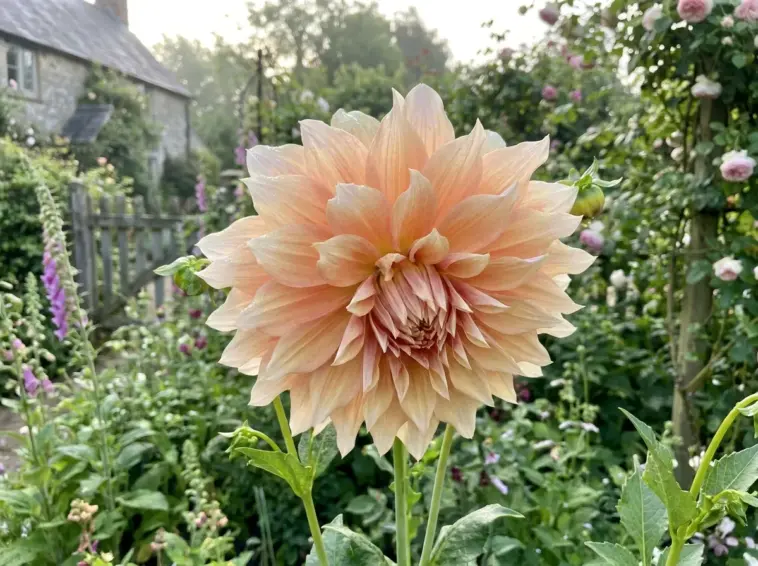
I remember staring at a gorgeous, plate-sized dahlia in a magazine years ago and completely sighing. I was convinced my simple, open-air backyard just couldn’t hack it without a commercial setup.
Honestly, I even tried building a sketchy plastic PVC tent that blew away in a minor afternoon breeze. What a total, embarrassing disaster that was!
But here is the good news: you absolutely do not need an expensive greenhouse kit to get those massive, head-turning blooms.
The big industry secret is that simple backyard micro-hacks, strategic pinching techniques, and smart soil modification can easily mimic those high-end conditions.
We can totally bypass the commercial markup and unlock explosive giant flowers right in your standard garden beds.
I am talking about growing gorgeous, competitive dinnerplate dahlias that will make your neighbors stop dead in their tracks.
Let’s break down exactly how you can cultivate these stunning, oversized beauties without emptying your wallet.
Selecting Premium Giant Dahlia Varieties on a Budget
When I first started out, I bought a bag of unlabeled, clearance-rack tubers thinking they’d turn into monster dinnerplates. Instead, I spent all summer tending to tiny, disappointing pom-pom flowers that looked like sad little golf balls.
If you want massive flowers, you have to start with the right genetics, but you absolutely do not need to pay boutique catalog prices.
Sourcing the Right Dinnerplate Cultivars
Look for varieties specifically bred for giant sizes, like the stunning, creamy ‘Café au Lait’ or the absolutely massive, hot pink ‘Emory Paul’. You can easily skip high-end boutique nurseries and track these down during late winter online pre-sales for a fraction of the cost.
Many local garden clubs or regional dahlia societies host annual spring tuber sales where you can snag top-tier genetics for just a few dollars.
Inspecting Your Budget Tubers
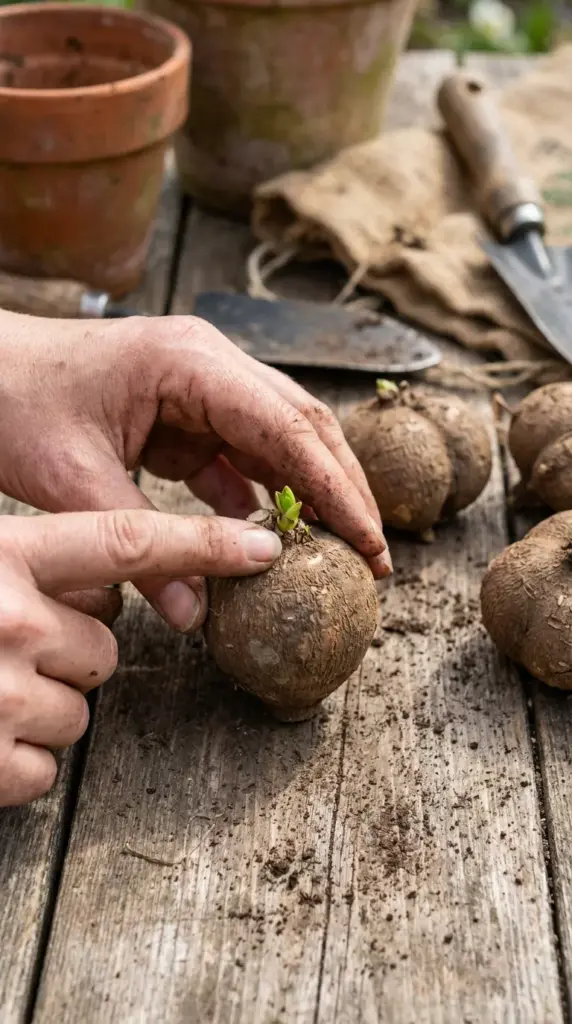
When shopping on a budget, you have to be a bit of a detective to ensure you are getting a viable plant. Always check the crown of the tuber for a tiny, pimple-like bump called a dahlia eye, which is where the new stem sprouts from.
Avoid any tubers that feel light, squishy, or completely dried out, because healthy root tissue should always feel firm like a fresh potato.
Once you have your budget-friendly prize varieties picked out, we need to talk about getting the soil perfect so those roots can explode with energy, so smash that next button to uncover my underground dirt secrets.


GIPHY App Key not set. Please check settings