

 The Home Growns
Planting Depths and Strategic Spacing Protocols
I’ll never forget the summer I got super lazy and buried my tubers barely an inch below the surface. A random July thunderstorm rolled through and completely snapped my tallest plant right at the base like a fragile little toothpick.
It was a total rookie mistake that left me crying over my morning coffee, all because I didn’t give the poor stalk a proper anchor.
The Critical Inches for Wind Resistance
When you are ready to plant outdoors, you need to dig holes that are strictly four to six inches deep. This might feel a bit too deep for a tiny sprout, but it is absolutely vital for building a strong, wind-resistant anchor system.
As the massive stalks grow to over five feet tall, that deep soil layer keeps the top-heavy blooms from toppling over during summer storms. Just lay the tuber horizontally at the bottom with the eye pointing upward, and don’t worry, it knows exactly how to find the light.
Spacing Guidelines and Cheap Frost Crutches
Crowding your plants is a recipe for a total powdery mildew nightmare, so make sure you give these giants plenty of room to breathe. I always space my dinnerplate varieties at least two to three feet apart to maximize the sunlight penetration across the foliage canopy.
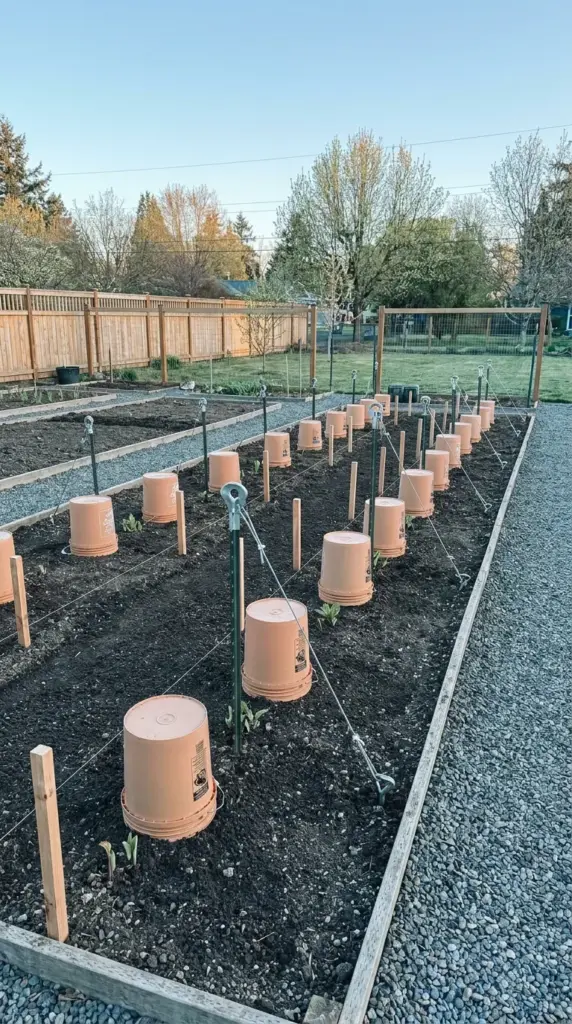
If a surprise late-spring frost threatens your young shoots, you don’t need fancy orchard heaters or expensive frost blankets. Just grab some old plastic nursery pots or upside-down five-gallon buckets to pop over the plants overnight, and they will stay completely safe and warm.
Once your tubers are tucked in perfectly safe and sound, you will need to learn how to aggressively chop them up to trigger those massive exhibition sizes. Go ahead and click that next button because we are diving straight into the slightly scary but totally magical world of professional pruning.


GIPHY App Key not set. Please check settings