

 The Home Growns
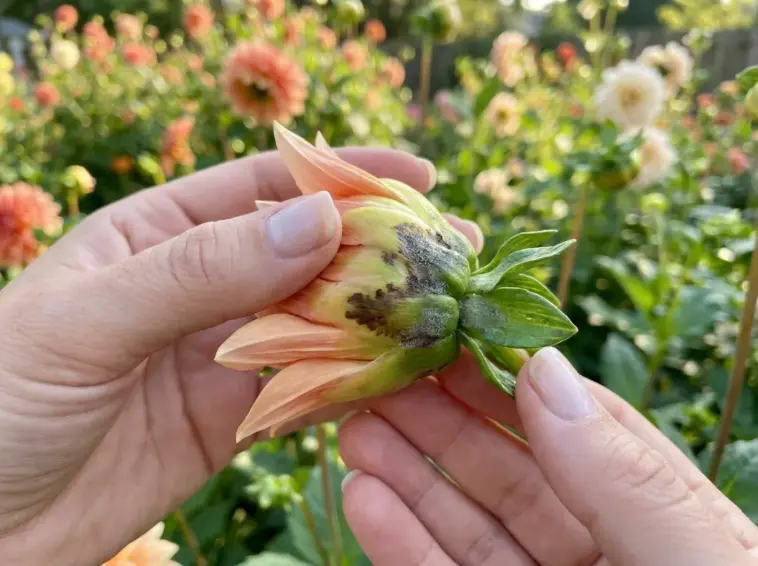
Oh my goodness, there is absolutely nothing more heartbreaking than watching a prized dinnerplate dahlia spend weeks forming a massive, promising bud, only to watch it turn into a total mushy brown disaster right before it opens. You wait all summer for that spectacular pop of color in your backyard cutting garden, and then—bam—nature pulls the rug right out from under you.
I cannot tell you how many times I’ve stood in my own little city plot with my morning coffee, staring at a ruined bloom and just wanting to cry. It is incredibly frustrating, but please don’t throw in the towel on your dahlia dreams just yet.
The undisputed number one villain behind this heartbreaking mess is a sneaky fungal pathogen called Botrytis cinerea, which most of us gardeners just call gray mold. This stealthy little fungus absolutely loves the high humidity of urban gardens and thrives by turning healthy, tightly packed flower buds into soggy gray mush overnight.
The good news is that we can totally beat this thing together with just a few super simple, strategic tweaks to your daily plant care routine. Let’s dive into exactly why this happens and how you can save your gorgeous summer blooms from the compost bin!
Understanding Botrytis Blight: The Secret Killer of Dahlia Buds
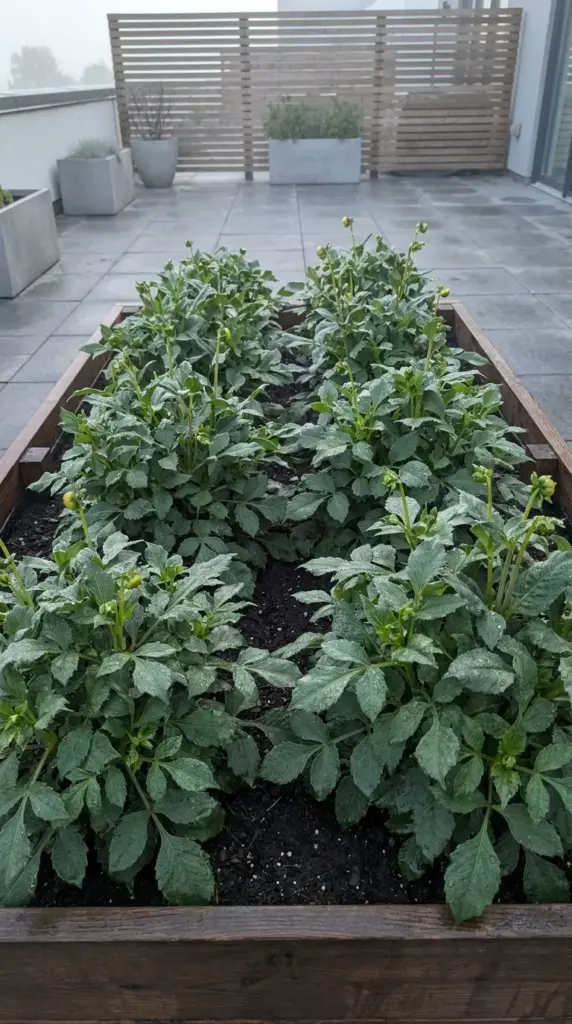
Last summer, I got completely carried away and packed my urban raised beds way too tight, thinking a denser garden meant more beautiful flowers. Instead, I accidentally created a stagnant, humid swamp that invited the ultimate garden villain right into my backyard cutting patch.
What is This Gray Mold Monster Anyway?
The technical name for this sneaky destroyer is Botrytis cinerea, but most of us backyard growers just call it gray mold or botrytis blight. It is an airborne fungal pathogen that specializes in attacking super tender, high-moisture plant tissues when they are at their weakest.
When your dahlias are working overtime to push out new growth, those tightly closed flower buds are incredibly soft and filled with sugary sap. The fungus latches onto the delicate outer petals, completely hijacking the plant’s cells and turning them into mush before the flower ever gets a chance to open.
The Environmental Triggers Setting the Trap
Fungal spores are always floating around in the air, but they need very specific conditions to actually wake up and start destroying your dahlia blooms. They absolutely crave stagnant air, high humidity, and—the biggest culprit of all—trapped morning dew that can’t evaporate quickly.
If your garden layout has poor airflow because your plants are crowded, moisture just sits on those tight flower heads for hours on end. This trapped wetness acts like a VIP invitation for fungal disease plants, turning a gorgeous, healthy garden into a mold breeding ground within a single damp weekend.
Understanding how this sneaky fungus operates is half the battle, but catching it early is how you actually save your season. Hit that next button right below, because I am going to show you exactly how to spot the early warning signs before the rot ruins your entire dahlia collection!

GIPHY App Key not set. Please check settings