

 The Home Growns
The Ultimate Quick-Fix Guide to Saving Your Rotting Dahlia Blooms
I used to think leaving a slightly fuzzy bud on the bush wouldn’t hurt anything, but boy, was I wrong. One summer, my laziness cost me a whole row of gorgeous dinnerplates because that mold spreads faster than wildfire.
Emergency Triage: Pruning and Tool Sanitization
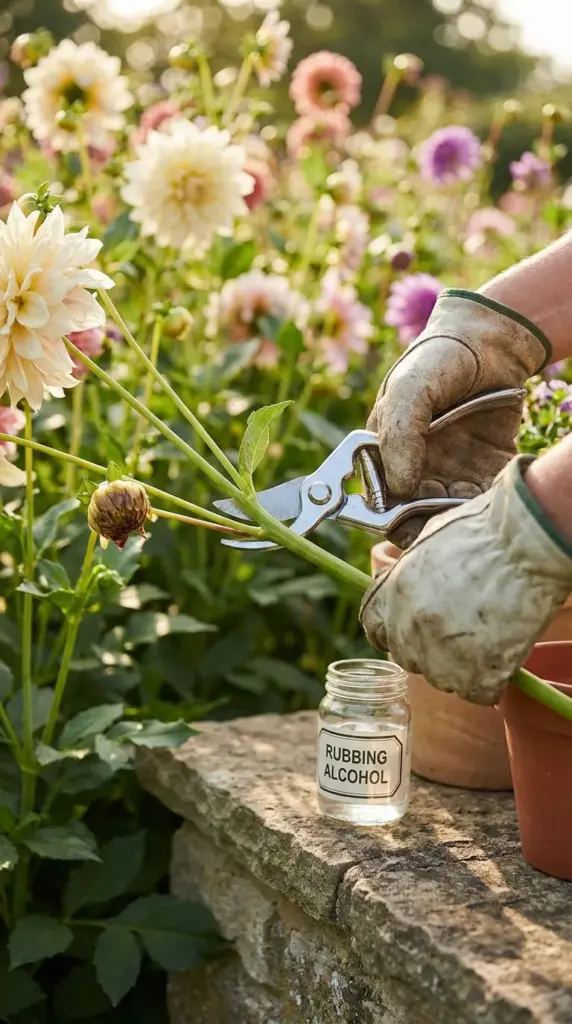
The absolute second you spot a mushy, discolored bud, you have to play emergency room doctor and be totally ruthless. Grab your sharpest pruners and slice that infected bud right off, cutting a few inches down the stem into completely clean, green wood.
But hold your horses—don’t you dare touch a healthy branch until you sanitize tools first! I keep a jar of rubbing alcohol right in my garden kit to dip my shears into between every single cut, otherwise, you’ll literally inject the fungal disease plants carry straight into your healthy stock.
Organic Sprays and DIY Remedies to Stop the Spores
Once you’ve cleared out the gross stuff, it’s time to coat your remaining plants with a protective shield. A thorough spraying of an organic copper fungicide is my absolute go-to because it safely knocks down any lingering spores before they can breach the healthy petals.
If you prefer a quick kitchen remedy, mixing one part milk with nine parts water creates a surprisingly effective spray. The proteins in the milk create a natural barrier that messes with the fungus, helping to stop gray mold dahlia outbreaks right in their tracks during damp weeks.
Getting rid of the active mold is an awesome first step, but we really need to fix the root of the problem so your patch stays safe. Hit that next button right below because I am about to share my ultimate spacing secrets and watering rules to keep your garden completely rot-free for the rest of the season!

GIPHY App Key not set. Please check settings