

 The Home Growns
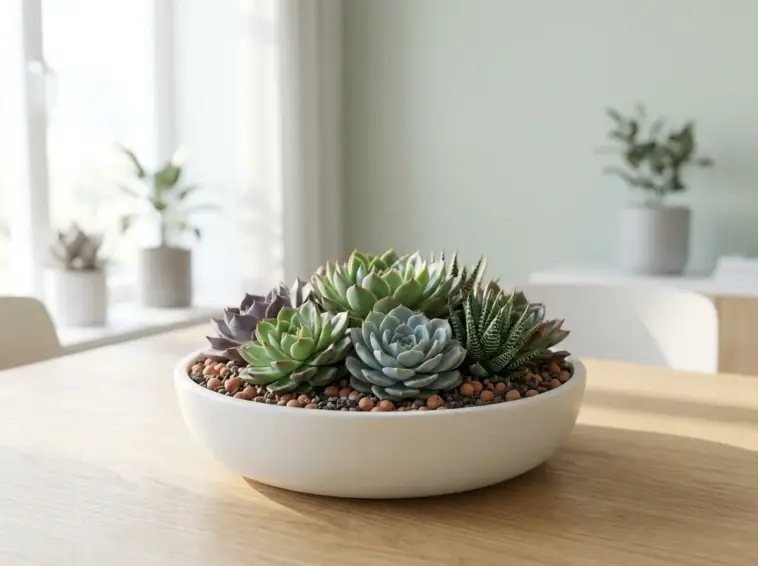
A few years back, I spent an entire weekend crafting this absolutely stunning minimalist centerpiece for my dining room table. I picked out the cutest little echeverias and haworthias, nestled them into a gorgeous ceramic bowl, and felt like a total design genius.
Two weeks later? It looked like a horror movie set, with mushy, yellow leaves and a sad, drooping vibe that totally broke my heart.
Like most plant parents, I immediately blamed my watering routine, but the real culprit was a silent killer hiding right beneath the surface. Did you know that over 80% of beginner succulent failures actually trace back to an invisible, slow-acting soil mistake rather than how often you water?
We’ve all been conditioned to think that all “potting dirt” is pretty much the same, but standard retail soil is an absolute death trap for desert plants. If your dream succulent garden design is struggling, the hidden threat isn’t your black thumb—it’s the wet, suffocating environment packed around those delicate roots right now.
Let’s pull back the curtain on what’s actually happening down in the dirt so you can save your plant babies before it’s too late.
The Microscopic Menace: What’s Really Lurking in Your Succulent Mix
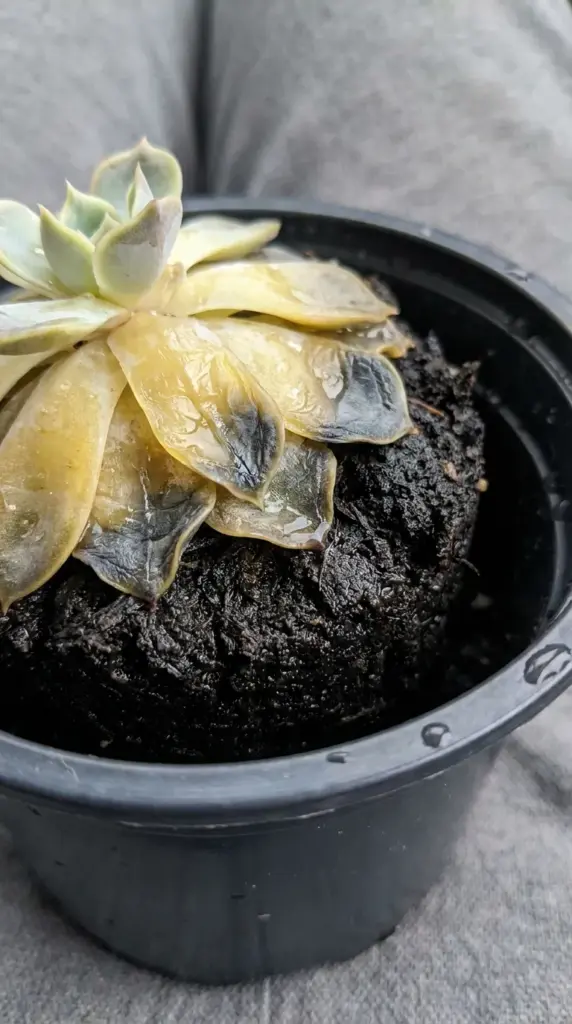
I remember buying this massive bag of “premium all-purpose potting soil” because it was on sale, thinking I scored a massive gardening victory. I stuffed my favorite Echeveria right into it, feeling like a proud plant parent.
A week later, the poor thing completely collapsed into a pile of black slime. It turns out that cheap bag was packed with the exact hidden threats that destroy a beautiful succulent garden layout.
The Wet Sponge Effect of Standard Soil
Most standard commercial bags are loaded with heavy peat moss and fine organic matter. While great for leafy ferns, this stuff acts exactly like a wet sponge around desert plants.
Succulents need their roots to breathe between waterings, but high moisture retention completely cuts off their oxygen. The dirt gets highly compacted, creating a dense, heavy brick that stays soggy for weeks.
When you use this generic organic potting media, you’re accidentally suffocating the root system. Those delicate roots need pockets of air to survive, not a heavy, drowning blanket.
How Phytophthora Claims Your Design
Once those roots are trapped in wet, airless soil, a nasty fungal pathogen called Phytophthora takes over. This is the main culprit behind devastating root rot, and it moves incredibly fast.
It attacks the microscopic root hairs first, turning them into mush before you even notice a problem above ground. By the time the leaves start looking translucent or yellow, it’s often game over for the plant.
This silent menace can ruin a gorgeous, expensive container arrangement in less than a month. It completely liquefies the plant’s foundation from the inside out.
Understanding this hidden danger is half the battle, so hit that next button below because I’m about to show you the exact golden ratios for a flawless, breathy mix.


GIPHY App Key not set. Please check settings