

 The Home Growns
Signs Your Current Succulent Garden Design is in Serious Danger
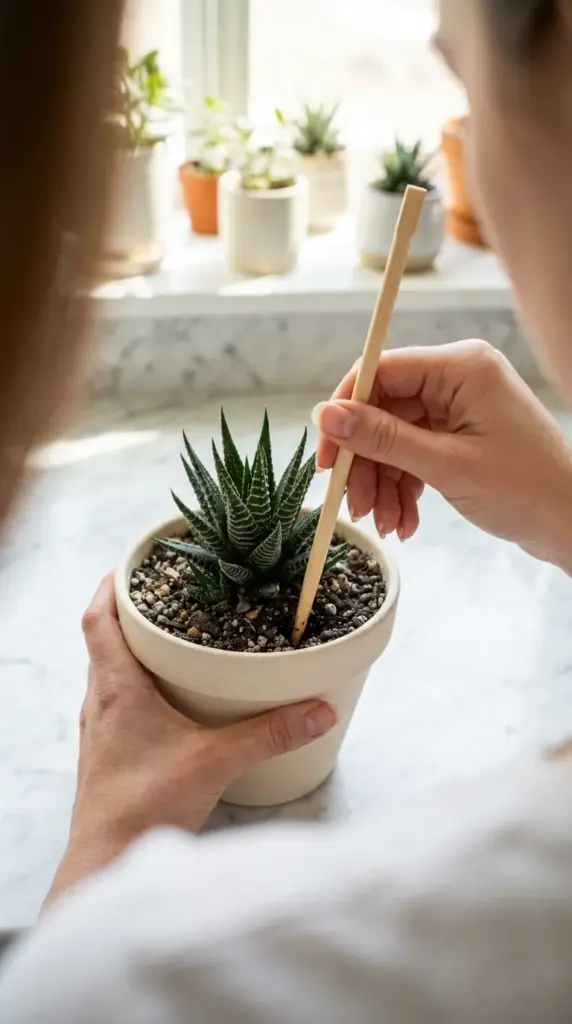
I once had this gorgeous Haworthia arrangement on my kitchen windowsill that looked perfectly fine from above. One afternoon, I gently bumped the container while wiping down the counter, and the entire top half of the plant literally slid right off its base like a loose tooth.
Talk about a heartbreaking wakeup call! I had been completely ignoring the subtle distress signals my plants were sending me from down below.
Visual Red Flags of a Drowning Plant
When a plant is trapped in an overly dense mix, you’ll start seeing translucent or mushy lower leaves near the base. The leaves lose their rich, plump color and take on a sickly, yellow, waterlogged appearance.
You might also notice a total halt in development, resulting in stunted growth during their active growing season. If you lean in close to the container basin, you might even catch a faint, sour smell of decaying organic matter.
The Wooden Chopstick Diagnostic Test
The easiest way to audit your container’s deep-soil environment without digging up your design is by using a simple wooden chopstick or a digital moisture-meter check. Just push a dry wooden stick deep into the soil, leave it for a few seconds, and pull it out.
If it comes up dark and caked with wet dirt, your roots are actively suffocating in a compacted trap. It’s vital to learn the difference between a truly thirsty succulent—which features wrinkly, crisp leaves—and a plant that is actively drowning in dense dirt.
Now that you know how to spot these emergency warnings, don’t panic if your favorite planter fails the test. Click that next button below because I’m going to walk you through my exact emergency rescue workflow to completely rehabilitate your soil and save your plants.


GIPHY App Key not set. Please check settings