

 The Home Growns
Problem #5: Plant Diseases That Spread Fast and Kill Your Garden
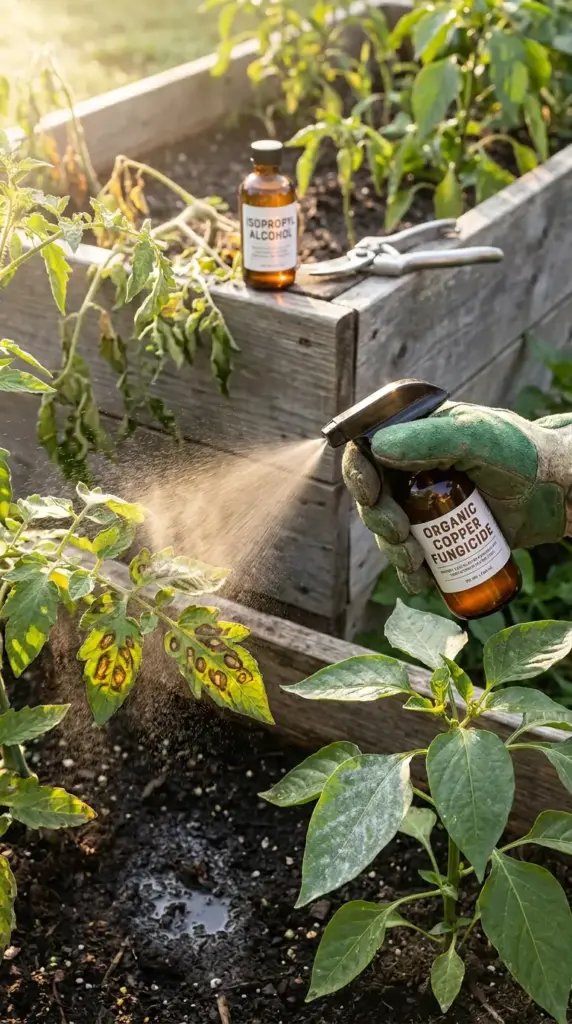
I lost an entire row of tomatoes to early blight one summer before I even knew what early blight was.
By the time I figured it out, the disease had already jumped to my pepper plants next door. It was a rough August. 😔
The Three Types of Garden Disease You Need to Know
Most people think “plant disease” and picture one thing — but there are actually three completely different categories, and they each behave differently.
Fungal diseases are by far the most common in home gardens. They thrive in humid, wet conditions and spread through spores that travel on wind, water, and even your hands and tools.
Bacterial diseases are less common but spread faster and are harder to treat once established. They typically enter plants through wounds, pruning cuts, or insect damage.
Viral diseases are the most serious category — and unfortunately, there is no cure. Once a plant has a virus, removal is the only option.
The Most Common Diseases by Garden Type and Region
Knowing which diseases are most likely in your area is genuinely half the battle.
Powdery mildew is probably the disease I hear about most from gardeners across the country — it shows up in virtually every U.S. climate. It looks exactly like it sounds: a white, powdery coating on leaves that starts small and spreads fast.
It thrives when days are warm and nights are cool — which makes late summer in cities like Chicago, New York, and Minneapolis prime powdery mildew season.
Early blight and late blight are the twin nightmares of tomato gardeners everywhere. Early blight shows up as dark brown spots with yellow rings (called a “target pattern”) on lower leaves first. Late blight is more aggressive — it can destroy an entire tomato plant in less than a week in cool, wet conditions.
Late blight is especially brutal in Seattle and the Pacific Northwest where cool, moist summers create perfect conditions for it to explode.
Root rot is almost always caused by a fungal pathogen called Phytophthora — and it’s directly linked to overwatering and poor drainage. Plants look wilted even when the soil is wet, stems turn brown and mushy at the base, and roots look black and slimy instead of white and firm.
Bacterial leaf spot is a major problem for pepper and tomato growers in humid Southern cities like Atlanta and Dallas. It shows up as small, water-soaked spots on leaves that turn brown with yellow halos — and it spreads explosively during warm, rainy weather.
Mosaic virus — one of the most common plant viruses — causes leaves to develop a mottled, distorted pattern of light and dark green. It’s spread primarily by aphids, which is yet another reason to stay on top of pest control.
How to Spot Early Warning Signs Before It’s Too Late
This is where most gardeners lose the battle — not because they don’t care, but because they don’t know what to look for.
Get into the habit of doing a slow, deliberate walk through your garden at least twice a week. Not a casual glance — actually look at your plants.
Here’s what to check every single time:
- Flip leaves over and inspect the undersides — disease and pests almost always start there first
- Look for any color changes — yellowing, browning, or unusual dark spots that weren’t there before
- Check stems at the soil line for soft, discolored, or mushy tissue
- Notice if any plants look wilted in the morning when they should be fully hydrated — that’s a red flag
- Smell the soil around struggling plants — a sour or musty odor often indicates fungal activity underground
The earlier you catch a disease, the more options you have. A plant with two or three infected leaves can often be saved. A plant that’s 60% infected usually cannot.
Garden Care Practices That Prevent Disease From Starting
Here’s something I genuinely wish someone had told me when I started gardening: most plant diseases are preventable.
Not all of them — but most. And the prevention strategies are surprisingly simple.
Water at the base, never overhead. This is probably the single most impactful change you can make. Wet foliage is an open invitation for fungal spores to germinate. Drip irrigation and soaker hoses keep water exactly where it belongs — at the root zone — and dramatically reduce disease pressure.
If you have to water by hand, do it in the early morning so foliage dries quickly in the sun. Never water in the evening — wet leaves sitting overnight in cool temperatures is basically a fungal disease incubator.
Sanitize your tools between plants. I know this sounds tedious — and honestly, I wasn’t consistent about it for years. But a pair of pruning shears can carry bacterial and fungal pathogens from one plant to the next with every single cut.
Keep a small spray bottle of 70% isopropyl alcohol in your garden kit and wipe blades between plants. It takes five seconds and can prevent an outbreak from spreading across your entire garden.
Crop rotation is essential for vegetable gardeners. Never plant the same plant family in the same bed two years in a row — fungal and bacterial pathogens overwinter in the soil and will immediately reinfect the same crops the following season.
A simple rotation schedule:
- Year 1: Tomatoes/peppers (nightshades) in Bed A
- Year 2: Beans/peas (legumes) in Bed A
- Year 3: Brassicas (kale, cabbage, broccoli) in Bed A
- Year 4: Root vegetables (carrots, beets) in Bed A — then back to nightshades
Remove dead plant material promptly. Fallen leaves, spent flowers, and dead stems are breeding grounds for fungal spores. Clean up your beds thoroughly every fall — especially in cold-climate cities like Chicago, Detroit, and Minneapolis where debris sits wet under snow all winter.
The Best Organic Fungicides for Home Gardens
When prevention isn’t enough and disease shows up anyway, these are the organic treatments I reach for first.
Copper fungicide is one of the oldest and most effective organic disease treatments available. It works against a broad spectrum of fungal and bacterial diseases — including early blight, late blight, bacterial leaf spot, and downy mildew.
Bonide Copper Fungicide is widely available at Home Depot, Lowe’s, and most garden supply stores for around $12-$15. Mix according to label directions and apply every 7-10 days during disease pressure.
Important note: copper can accumulate in soil over time, so don’t use it as a preventative spray all season long. Reserve it for when disease is actually present or imminent.
Baking soda spray is my go-to for powdery mildew — and it works surprisingly well in the early stages.
Mix:
- 1 tablespoon of baking soda
- 1 tablespoon of horticultural oil or neem oil
- 1 gallon of water
Spray on affected foliage every 5-7 days. The baking soda raises the pH on the leaf surface, creating an environment where powdery mildew fungus simply cannot survive.
Bacillus subtilis — sold under brand names like Serenade Garden — is a naturally occurring soil bacterium that acts as a biological fungicide. It’s completely safe for people, pets, and beneficial insects, and works well as a preventative spray applied weekly during humid weather.
Sulfur-based fungicides are effective against powdery mildew, rust, and leaf spot diseases. Bonide Sulfur Plant Fungicide runs about $10-$12 and is certified for organic gardening. Just be careful — sulfur can burn foliage if applied when temperatures exceed 90°F, which is something to watch in Dallas and Atlanta summers.
How to Safely Remove and Dispose of Diseased Plants
This is the part nobody wants to do — but doing it wrong can spread disease throughout your entire garden.
When a plant is too far gone to save, here’s the right way to remove it:
Step 1: Don’t yank it out carelessly. Disturbing a heavily diseased plant can release thousands of fungal spores into the air and onto surrounding plants. Work slowly and deliberately.
Step 2: Place a plastic bag over the plant before you pull it — then pull the plant into the bag and seal it immediately. This contains spores and prevents them from spreading during removal.
Step 3: Remove as much of the root system as possible, especially with root rot cases. Leaving infected roots in the soil guarantees the problem will return.
Step 4: Do NOT compost diseased plant material. Ever. This is a mistake I see constantly — and it’s how diseases get recycled back into your garden through finished compost.
Bag it and put it in the trash. Some municipalities accept diseased plant material in yard waste bins that go to commercial composting facilities — check your local guidelines, but when in doubt, trash it.
Step 5: After removal, drench the soil in that area with a copper fungicide solution to kill any remaining pathogens before replanting.
Step 6: Sanitize every tool that touched the diseased plant with 70% isopropyl alcohol before using them anywhere else in the garden.
And wash your hands and gloves before touching other plants — yes, really. Fungal spores transfer on skin and fabric just as easily as on metal tools.
A Quick Disease Prevention Checklist
Before we move on — here’s a simple reference you can actually use:
- ✅ Water at the base, never overhead
- ✅ Water in the morning, never at night
- ✅ Sanitize tools between plants
- ✅ Rotate crops every season
- ✅ Remove dead plant material promptly
- ✅ Maintain proper plant spacing for airflow
- ✅ Inspect plants twice a week — undersides of leaves included
- ✅ Bag and trash (never compost) diseased material
- ✅ Apply copper fungicide at first sign of bacterial or fungal disease
Print that out and stick it on your garden shed door. Seriously.
Up Next: Growing Beautiful Plants in the Shade
Now that your garden is protected from disease, let’s talk about a challenge that trips up so many backyard gardeners — especially in urban areas.
👇 Hit “Next” below — because we’re tackling shade gardening next, and I promise you, a shady backyard is not a death sentence for beautiful plants. In fact, it might be your biggest untapped opportunity.

GIPHY App Key not set. Please check settings