

 The Home Growns
Problem #12: Container Garden Challenges — Thriving in Small Spaces
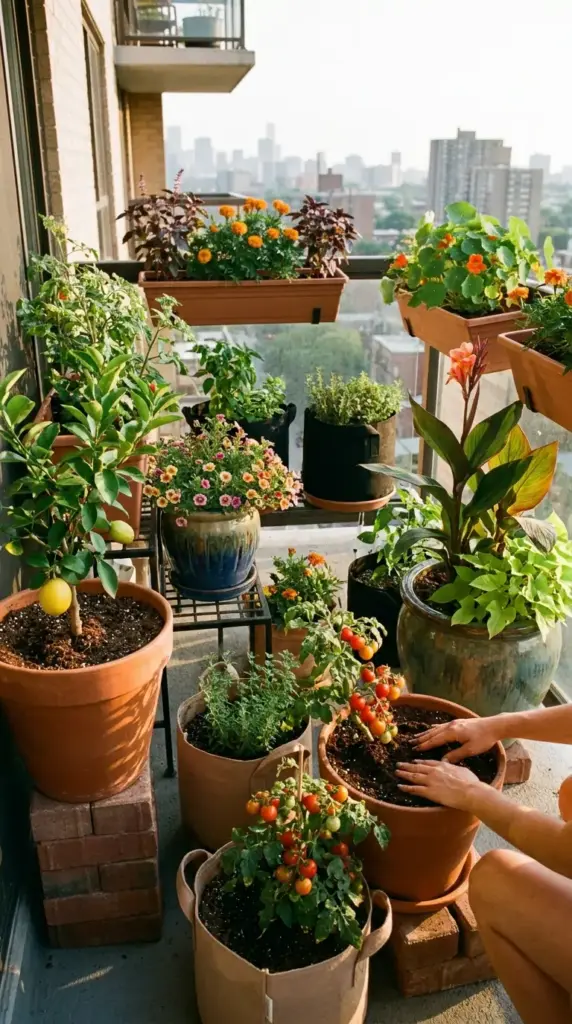
My first apartment had a 4-foot balcony and zero outdoor space.
Four feet. Barely enough room to stand sideways.
But I had tomatoes, herbs, flowers, and a dwarf lemon tree out there by July — and honestly? That tiny balcony garden brought me more joy than any full-sized yard I’ve had since. 🌿
Container gardening taught me something that changed how I think about gardening entirely: you don’t need space to grow things beautifully. You need intention.
Why Container Gardening Is Harder Than It Looks
Here’s the thing nobody tells you when you buy your first pot and bag of soil:
Container gardening is actually more demanding than in-ground gardening — not less.
Plants in containers are completely dependent on you for everything. There’s no deep soil reservoir to draw moisture from during a hot week. No surrounding soil ecosystem to buffer nutrient fluctuations. No earthworms working the soil. No margin for neglect.
The roots of a container plant live in a closed, finite environment that heats up faster, dries out faster, and depletes nutrients faster than any in-ground bed.
Understanding this changes everything about how you approach container gardening — from the containers you choose, to the soil you use, to how often you water and feed.
The good news? Once you understand the system, container gardening becomes genuinely manageable — and the design possibilities are extraordinary.
The Most Common Container Garden Mistakes
Let me save you the trial and error I went through.
Mistake #1: Using the wrong soil
This is the single most common container gardening mistake — and it’s an easy one to make because the bags at the garden center are confusing.
Never use regular garden soil or topsoil in containers. Garden soil compacts in containers, cutting off oxygen to roots and creating drainage problems that kill plants slowly and mysteriously.
Always use a quality potting mix specifically formulated for containers. Look for mixes that contain:
- Perlite or vermiculite for drainage and aeration
- Coconut coir for moisture retention without compaction
- A slow-release fertilizer already incorporated (most quality mixes include this)
Brands like Fox Farm Ocean Forest, Espoma Organic Potting Mix, and Pro-Mix BX consistently perform well. Expect to pay $15-$25 for a 2 cubic foot bag — it’s worth every penny compared to cheap mixes that fail.
Mistake #2: Choosing a pot with no drainage
Every container needs drainage holes. Full stop.
Without drainage, water accumulates at the bottom of the pot, roots sit in standing water, and root rot sets in — usually within a few weeks. It’s one of the fastest ways to kill a container plant.
If you fall in love with a decorative pot that has no drainage holes, use it as a cachepot — place a plain nursery pot with drainage inside the decorative outer pot. This gives you the beautiful look without the drainage problem.
Mistake #3: Choosing a pot that’s too small
Small pots dry out faster, overheat faster, and restrict root development. Most plants need more root space than beginners expect.
General sizing guidelines:
- Herbs: Minimum 6-8 inch diameter pot per plant
- Lettuce and salad greens: 8-12 inch diameter, at least 6 inches deep
- Tomatoes: Minimum 5-gallon container — 10-15 gallon is better for indeterminate varieties
- Peppers: 3-5 gallon minimum
- Dwarf citrus: 10-15 gallon minimum
- Dahlias: 5-gallon minimum per tuber
When in doubt — go bigger. A plant in a generously sized container will almost always outperform the same plant in a container that’s just barely large enough.
Mistake #4: Inconsistent watering
Container plants need consistent moisture — not occasional deep soaking separated by days of dryness.
The boom-and-bust watering cycle that many container gardeners fall into — forgetting for several days, then overcompensating — stresses plants significantly. It’s a leading cause of blossom end rot in container tomatoes and peppers, and causes leaf drop in many ornamental plants.
The finger test is your most reliable watering guide: push your finger 1-2 inches into the soil. If it feels dry at that depth, water thoroughly until water runs freely from the drainage holes. If it still feels moist, wait.
Mistake #5: Not fertilizing regularly
Every time you water a container, nutrients leach out through the drainage holes. This is unavoidable — it’s just how container gardening works.
Unlike in-ground plants that can access nutrients from a large soil volume, container plants exhaust their available nutrients relatively quickly — usually within 4-6 weeks of planting, even in a quality potting mix with slow-release fertilizer incorporated.
After that initial period, container plants need regular supplemental feeding throughout the growing season:
- Slow-release granular fertilizer worked into the top inch of soil every 4-6 weeks
- Liquid fertilizer applied every 2 weeks during peak growing season for heavy feeders like tomatoes and dahlias
Choosing the Right Containers: Materials Matter
The container you choose affects plant health more than most people realize — not just aesthetics.
Terracotta pots
The classic choice — and genuinely excellent for most plants. Terracotta is porous, which means it breathes and allows excess moisture to evaporate through the walls. This makes it forgiving for gardeners who tend to overwater.
The downside: terracotta dries out faster than other materials — sometimes requiring daily watering in summer heat. It’s also heavy and breakable.
Best for: herbs, succulents, Mediterranean plants, and any plant that prefers drier conditions.
Glazed ceramic pots
Beautiful, heavy, and moisture-retentive. The glaze prevents the rapid moisture loss of unglazed terracotta — making glazed ceramic better for moisture-loving plants and hot climates.
Best for: tropical plants, ferns, moisture-loving perennials, and statement containers where aesthetics matter most.
Important note for Minneapolis, Chicago, and Detroit gardeners: most glazed ceramic pots will crack if left outside through a freeze-thaw cycle. Bring them indoors before the first hard frost or accept that they may not survive winter outdoors.
Plastic and resin pots
Lightweight, affordable, moisture-retentive, and freeze-resistant. Not as beautiful as ceramic or terracotta — but genuinely practical.
Modern resin pots have improved dramatically in appearance — many convincingly mimic terracotta, stone, and concrete at a fraction of the weight and cost. For rooftop gardens, balconies with weight restrictions, and large containers that need to be moved seasonally, resin is often the most practical choice.
Best for: large containers, balcony gardens, plants that need consistent moisture, and any situation where weight is a concern.
Fabric grow bags
These have become one of my favorite container options — especially for vegetables.
Fabric grow bags allow air pruning of roots — when roots reach the bag wall, they’re naturally pruned by air exposure rather than circling the container. This creates a denser, more fibrous root system that absorbs water and nutrients more efficiently.
They’re also lightweight, foldable for storage, and surprisingly durable. A 5-gallon fabric grow bag costs $3-$5 — making them the most affordable quality container option available.
Best for: tomatoes, peppers, potatoes, and any vegetable that benefits from excellent root development.
Concrete and hypertufa
Heavy, beautiful, and extraordinarily durable. Concrete containers have a modern, architectural quality that works beautifully in contemporary garden designs.
Hypertufa — a DIY mixture of Portland cement, perlite, and peat moss — can be molded into any shape and creates containers that look like aged stone. Making your own hypertufa containers is a genuinely fun DIY project that produces beautiful, one-of-a-kind pieces for around $10-$20 in materials.
The Best Plants for Container Gardening
Vegetables and edibles:
Cherry tomatoes are the undisputed champions of container vegetable gardening. Varieties like ‘Tumbling Tom,’ ‘Patio,’ and ‘Sweet 100’ are specifically bred for containers and produce prolifically in relatively small spaces.
- Bush cucumbers — varieties like ‘Spacemaster’ and ‘Bush Pickle’ stay compact and produce well in 5-gallon containers
- Lettuce and salad greens — one of the easiest and most rewarding container crops. Cut-and-come-again varieties like ‘Black Seeded Simpson’ and ‘Buttercrunch’ produce for months
- Dwarf peppers — ‘Lunchbox’ and ‘Pot-a-Peno’ are compact varieties that thrive in containers and produce abundantly
- Herbs — basil, parsley, chives, mint (always in its own container — mint is aggressively invasive), thyme, and oregano are all excellent container performers
Flowers for containers:
- Dahlias — one of the most spectacular container flowers available. Dwarf and patio varieties like ‘Gallery’ series and ‘Figaro’ produce full-sized flowers on compact plants. Absolutely stunning in large containers
- Calibrachoa (Million Bells) — tiny petunia-like flowers in every color imaginable, blooming continuously from spring until frost. One of the best spillers for container combinations
- Geraniums (Pelargoniums) — classic container performers that thrive in heat, tolerate some drought, and bloom prolifically. Available in every color and easy to overwinter indoors
- Fuchsia — spectacular cascading flowers in hot pink, purple, and red combinations. Perfect for shaded balconies and porches where most flowering plants struggle
- Begonias — both tuberous and wax begonias perform beautifully in containers, tolerating shade better than most flowering plants
Tropical and architectural plants:
- Canna lilies — bold, tropical foliage in green, burgundy, and variegated patterns with dramatic flowers. They look expensive and exotic but are surprisingly easy to grow
- Elephant ears (Colocasia and Alocasia) — enormous, dramatic leaves that create instant tropical atmosphere. A single large elephant ear in a beautiful pot makes a stunning focal point on a patio or balcony
- Dwarf citrus — Meyer lemon, calamondin orange, and kumquat trees thrive in large containers and produce real fruit. They also smell absolutely incredible when in bloom
- Bougainvillea — spectacular in warm climates (Los Angeles, Dallas, Atlanta), producing masses of vivid magenta, orange, or red bracts. Needs a large container and full sun — rewards you with extraordinary color
Stylish Container Design Ideas That Double as Outdoor Decor
Container gardens are one of the most powerful tools in outdoor home decor — and they’re completely flexible, rearrangeable, and seasonal.
The Thriller-Filler-Spiller formula revisited:
This classic container design principle works because it creates instant visual balance in a single pot:
- Thriller: One tall, dramatic centerpiece — a canna lily, ornamental grass, or tall dahlia
- Filler: Two or three medium plants that fill in around the thriller — petunias, calibrachoa, sweet potato vine
- Spiller: One or two trailing plants that cascade over the edges — bacopa, creeping jenny, trailing verbena
A well-executed thriller-filler-spiller combination looks like it was designed by a professional — even if it took you 20 minutes to put together.
Monochromatic container arrangements:
Choose one color family and use three to five plants in varying shades and textures within that palette.
- An all-white container with white petunias, silver dusty miller, and white bacopa looks extraordinarily elegant on a front porch
- An all-orange and bronze arrangement with orange calibrachoa, bronze sweet potato vine, and copper-leafed alternanthera feels warm and sophisticated
- A purple and silver combination with purple verbena, lavender, and silver artemisia creates a cool, romantic mood
Grouped container arrangements:
Single containers rarely look as good as grouped arrangements. Cluster three to five containers of varying heights and sizes together — using the same color palette but different plant combinations — for a designed, intentional look.
The key to successful grouping: vary the container heights. Use an upturned pot, a plant stand, or a stack of bricks to elevate one or two containers in the group. The height variation is what makes the arrangement look designed rather than random.
Edible and beautiful:
Some of the most visually stunning container arrangements are also productive. Mixing edibles and ornamentals in the same container is a design approach called “potager style” — and it’s having a major moment.
- Purple basil with orange marigolds and trailing nasturtiums — beautiful AND edible
- Rainbow chard with white alyssum and trailing herbs — the chard’s colorful stems are genuinely ornamental
- Dwarf tomatoes with basil and trailing thyme — the classic Italian combination in container form
Transitioning Container Gardens Indoors for Winter
This section is especially important for Minneapolis, Chicago, and Detroit gardeners — where hard freezes arrive early and container plants left outside will die.
But honestly? Every gardener in USDA zones 6 and below should know how to overwinter container plants — because it saves significant money and allows you to keep plants you’ve invested in.
What to bring indoors:
- Tropical plants — elephant ears, cannas, bougainvillea, hibiscus, citrus, and any plant labeled “tender perennial” or “tropical”
- Geraniums (pelargoniums) — one of the easiest plants to overwinter indoors
- Dahlias — tubers can be dug, dried, and stored in a cool, dark location
- Succulents and cacti — most are not cold-hardy and need indoor protection
- Herbs — basil dies at frost, but rosemary, thyme, and sage can often be brought indoors successfully
When to bring plants indoors:
Don’t wait for frost. Bring tender plants inside when nighttime temperatures consistently drop below 50°F — before the first frost warning.
Plants that experience cold shock before being brought indoors struggle to adapt to indoor conditions. Gradual transition is key — if possible, bring plants into an unheated garage or porch for a week before moving them into the warm house.
Preparing plants for the indoor transition:
- Inspect thoroughly for pests before bringing anything inside — you do not want to introduce spider mites or fungus gnats to your indoor environment. Check under leaves, in soil, and around stem bases
- Treat proactively with insecticidal soap spray and a soil drench of neem oil solution before bringing plants in
- Prune back aggressively — most tropical plants benefit from being cut back by one-third to one-half before overwintering. This reduces the plant’s water and light demands during the low-light winter months
- Repot if root-bound — a plant that’s been in the same container all season may be significantly root-bound by fall. Repotting into fresh potting mix before bringing indoors gives it the best chance of thriving through winter
Indoor overwintering conditions:
Most tropical plants need:
- Bright indirect light — a south or west-facing window is ideal. Supplemental grow lights make an enormous difference in northern cities where winter daylight is limited
- Temperatures above 55°F — most tropicals struggle below this threshold
- Reduced watering — plants grow slowly in winter’s low light and need significantly less water than during the growing season. More indoor plants die from overwatering in winter than from any other cause
- Occasional misting or a pebble tray with water to increase humidity — indoor heating systems create very dry air that stresses tropical plants
Overwintering dahlias specifically:
Dahlias are worth the extra effort to overwinter — a single tuber can multiply into a clump of 5-10 tubers over one season, giving you significantly more plants for free the following year.
After the first frost blackens the foliage:
- Cut stems back to 4-6 inches above ground
- Carefully dig the tuber clump with a garden fork — work from outside the clump inward to avoid spearing tubers
- Shake off excess soil and let tubers dry in a warm, airy location for 24-48 hours
- Store in a cardboard box or paper bag filled with dry peat moss, vermiculite, or wood shavings
- Keep in a cool, dark, frost-free location — an unheated basement or garage that stays between 40-50°F is ideal
- Check monthly for rot or excessive drying — remove any rotting tubers immediately and lightly mist if tubers are shriveling
Overwintering geraniums:
Geraniums are remarkably tough overwintering subjects. The traditional method — hanging bare-root geraniums upside down in a cool basement — actually works, though potted overwintering is more reliable.
Cut plants back by half, bring indoors to a cool bright location (a cool spare bedroom or basement with a grow light works well), water sparingly — just enough to prevent complete drying — and they’ll reward you with vigorous regrowth when you bring them back outside in spring.
A Container Garden Shopping List
Before the season starts, here’s what you actually need:
- ✅ Quality potting mix (not garden soil) — Fox Farm, Espoma, or Pro-Mix
- ✅ Containers with drainage holes in appropriate sizes
- ✅ Slow-release granular fertilizer — Osmocote or Espoma
- ✅ Liquid fertilizer for mid-season feeding — fish emulsion or Miracle-Gro
- ✅ Moisture meter — takes the guesswork out of watering
- ✅ Saucers for containers (to protect surfaces and retain some moisture)
- ✅ Grow lights if overwintering indoors in a low-light space — Barrina or Spider Farmer LED grow lights are excellent and affordable
Up Next: The Final Problem — And the Most Important One
You’ve made it through eleven garden problems. One more to go.
👇 Click “Next” below — because Problem #13 is the one that ties everything together: garden maintenance — and I’m going to give you a realistic, season-by-season system for keeping everything you’ve built looking beautiful without burning out.

GIPHY App Key not set. Please check settings