

 The Home Growns
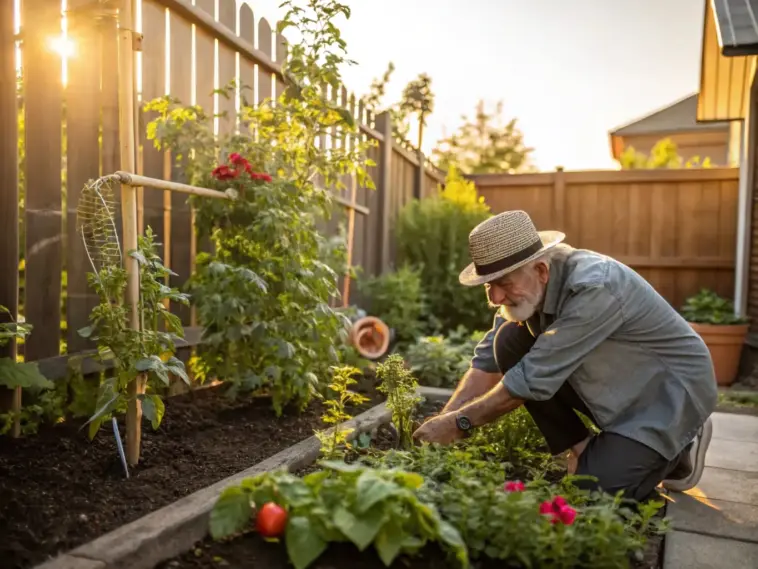
Let’s be honest — there’s nothing more frustrating than pouring your heart into your backyard only to watch your plants struggle, your soil crack, or your carefully designed garden beds turn into a weedy mess. Sound familiar?
You’re not alone! Studies show that over 80% of home gardeners encounter at least one major garden problem in their first growing season. The good news? Every single one of those problems has a fix — and we’ve got 13 of them right here.
Whether you’re a weekend warrior in a Chicago townhouse with a tiny patio garden, a Dallas homeowner battling brutal summer heat, or a Seattle plant lover dealing with too much rain and not enough sun, this guide was made for you.
We’re diving deep into the most common backyard headaches and giving you real, actionable solutions that actually work. Let’s get your garden thriving! 🌿
Why Your Garden Isn’t Thriving (And What You’re Missing)
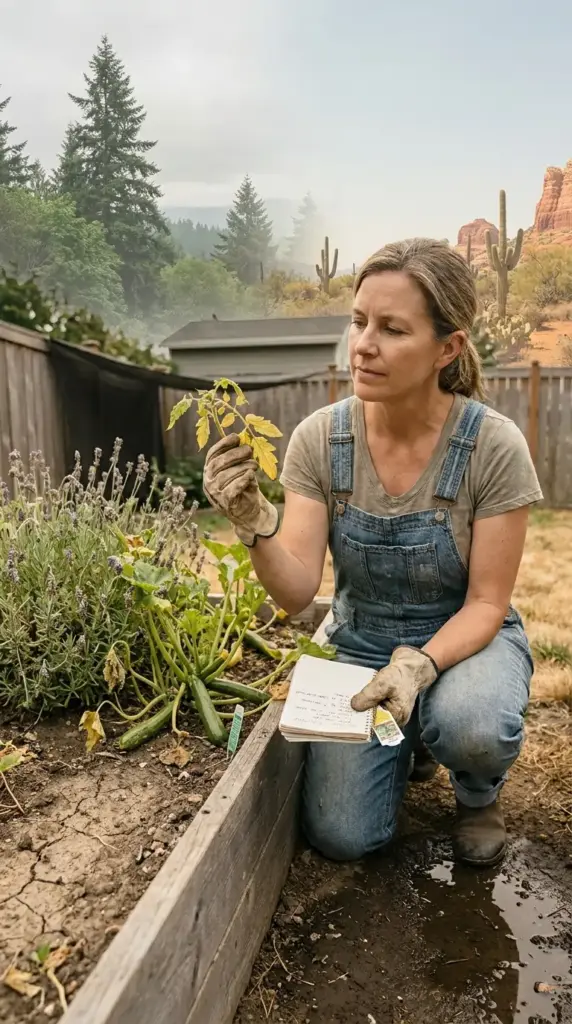
I’ll be honest with you — I killed a lot of plants before I figured this out.
And the frustrating part? It wasn’t bad luck. It was a handful of completely fixable mistakes that nobody had ever told me about.
The Most Common Reasons Home Gardens Underperform
Most struggling gardens come down to the same culprits: poor soil health, inconsistent watering, wrong plant placement, or simply choosing plants that don’t match your climate.
The tricky part is that these problems look different depending on where you live.
How Your City’s Climate Is Working Against You
A gardener in Seattle is dealing with cool, wet springs and mild summers — which is dreamy for ferns and hostas but a nightmare for tomatoes that need heat to ripen.
Meanwhile, someone in Dallas or Los Angeles is fighting intense heat, dry soil, and evaporation rates that can drain a garden bed in 48 hours flat.
Where you live literally changes everything about how you should garden. The USDA Plant Hardiness Zone Map divides the U.S. into 13 zones — and knowing yours is honestly the first step to stopping the guesswork.
Garden Design Choices That Hurt You Long-Term
Here’s something I wish someone had told me earlier: how you design your garden affects plant health just as much as what you plant.
Crowding plants too close together restricts airflow and invites fungal disease. Putting sun-loving plants in a shaded corner stresses them out from day one.
Good garden design isn’t just about looks — it’s about setting your plants up to actually survive.
Quick Self-Assessment: What’s Really Going On?
Before you buy another bag of fertilizer or a new set of plants, ask yourself these questions:
- Is my soil draining properly, or does water pool after rain?
- Are my plants getting the right amount of sunlight for their variety?
- Have I checked my USDA hardiness zone and chosen plants accordingly?
- Am I watering on a consistent schedule, or just when I remember?
- Is my garden overcrowded, making it hard for air to circulate?
If you answered “I’m not sure” to more than two of these — that’s your starting point.
Why Quick Fixes Almost Never Work
I’ve been there. You see yellow leaves, you panic, you dump fertilizer on everything and hope for the best.
But treating symptoms without understanding the root cause is like putting a bandage on a broken bone.
A holistic approach to garden care — one that looks at soil, water, light, design, and plant selection together — is what separates a garden that barely survives from one that genuinely thrives season after season.
The good news? Once you understand the full picture, fixing your garden gets a whole lot easier.
Ready to Dig Deeper?
Now that you know why your garden might be struggling, it’s time to get into the nitty-gritty.
👇 Hit the “Next” button below — because in the next section, we’re talking about the #1 silent killer of home gardens: poor soil quality. You might be shocked at what’s actually going on beneath your feet.

GIPHY App Key not set. Please check settings