

 The Home Growns
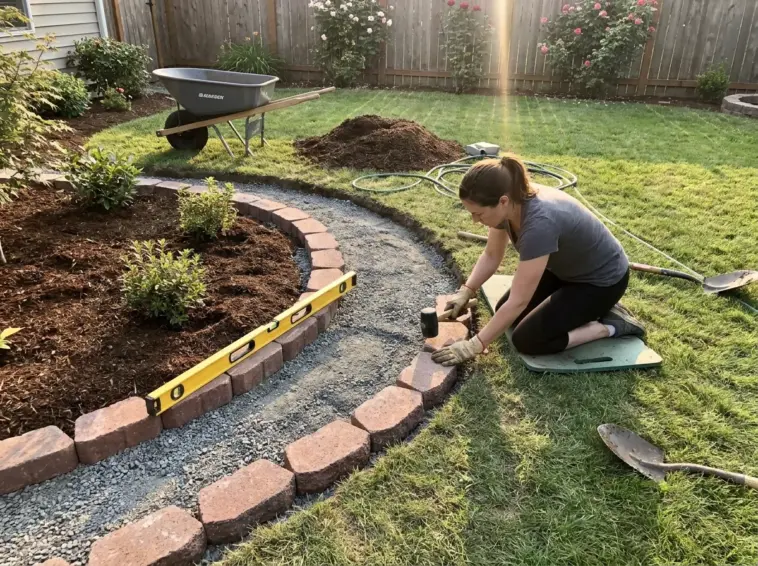
If you want a neat yard without mixing a bucket of gooey mortar in the sun, I’m with you. A dry-laid brick edging setup is one of my favorite weekend projects because it looks polished, drains well, and is way easier to fix later.
I’ve done this around flower bed borders, along a walkway edge, and even around a scruffy patch near my mailbox that used to look, honestly, kinda sad. The trick is not the brick itself. It’s the prep under it.
Why Choose Brick Edging Without Concrete
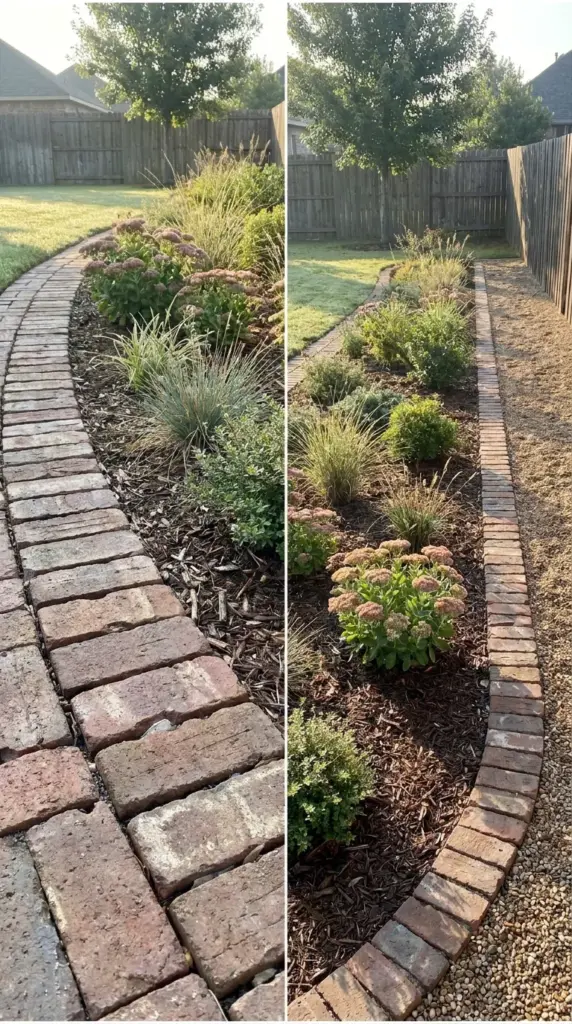
Benefits of a dry-laid system for homeowners
A no-concrete edging method is easier for most DIYers because you can install it with basic tools and zero masonry experience. If one brick shifts, you can pop it out and fix it without tearing up the whole border.
I also like that a mortar-free brick border feels more forgiving. My first one was not perfect, and thank goodness, because I definitely had to adjust it twice.
Why drainage is often better without wet mortar
A dry system lets water move through gaps and into the soil instead of pooling behind a hard barrier. That helps reduce washout, muddy edges, and freeze-thaw damage in colder climates.
This is a big deal in places with heavy rain or winter freezing. Permeable edging tends to handle moisture better than rigid installations.
When this method works best
This works beautifully for garden bed edging, front yard borders, tree ring edging, and light-duty paver edging near lawns or mulch beds. It’s also great if you want a clean border without making the yard feel too formal.
For most homes, it hits that sweet spot between practical and pretty. You get strong curb appeal landscaping without a giant labor bill.
When concrete-free edging is not the right choice
If you’re building a retaining wall, edging a steep slope, or holding back a lot of pressure, dry-laid bricks may not be enough. In those cases, you may need a deeper engineered base or a different hardscaping system.
Still, for the average DIY lawn border, this method is a winner. Hit the next button below, because planning the border is where the whole project either sings or goes sideways.



GIPHY App Key not set. Please check settings