

 The Home Growns
6. Weak, Leggy Seedlings? Eggshells Can Strengthen Them
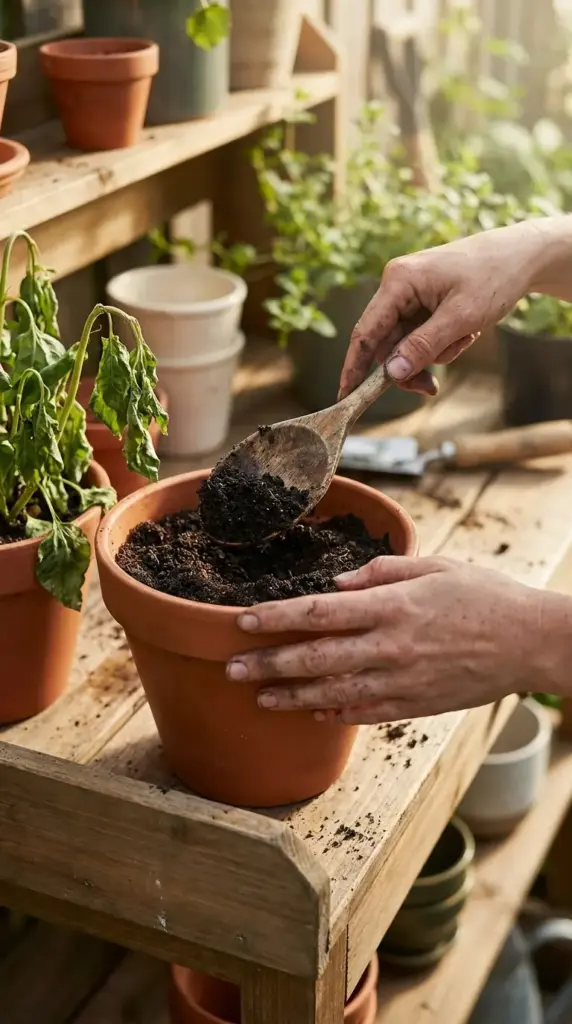
I spent an entire spring babying a tray of tomato seedlings — watering carefully, giving them plenty of light — and they still came out thin and floppy.
Turns out, I was missing something fundamental. Not water. Not sunlight. Calcium.
Why Calcium Deficiency Weakens Seedlings
Calcium is basically the building block of healthy plant cell walls.
Without enough calcium, stems grow thin and weak, roots develop poorly, and seedlings struggle to support themselves as they mature.
It also leads to problems like blossom end rot in tomatoes and peppers — that dark, sunken spot on the bottom of the fruit that’s every gardener’s nightmare.
How Crushed Eggshells Release Calcium Into Soil
Here’s what I love about this fix — it’s genuinely slow and steady in the best possible way.
Eggshells are made of approximately 95% calcium carbonate, which breaks down gradually in soil, releasing calcium over weeks and months.
It’s not a quick fix, but it’s a lasting one. Think of it as a long-term investment in your soil health.
How to Prepare and Apply Them Correctly
Don’t just toss whole shells in the dirt — they’ll take forever to break down.
Here’s what actually works:
- Rinse and dry your eggshells thoroughly to avoid attracting pests
- Crush them as finely as possible — I use a rolling pin or even a blender
- Mix the powder directly into your potting soil before planting
- Or sprinkle crushed shells around the base of existing seedlings and water in
The finer the crush, the faster the calcium becomes available to your plants.
The Bonus Trick — Eggshell Seed Starters
This one genuinely delighted me when I first tried it.
Keep your eggshell halves intact, fill them with potting mix, and plant your seeds directly inside.
When it’s time to transplant, crush the shell slightly and plant the whole thing — shell and all. It biodegrades naturally and feeds the soil as it breaks down. Zero waste. Total win.
Which Seedlings Benefit Most
Focus your eggshell efforts on:
- Tomatoes and peppers — highly prone to calcium deficiency
- Leafy greens like kale and spinach — benefit from steady calcium availability
- Broccoli and cabbage — surprisingly heavy calcium feeders
Next up, we’re solving a mystery that puzzles so many home gardeners — flowers that bloom beautifully but never produce fruit. Hit Next to find out how a little sugar water can fix your tomato and pepper harvest. 🌿


GIPHY App Key not set. Please check settings