

 The Home Growns
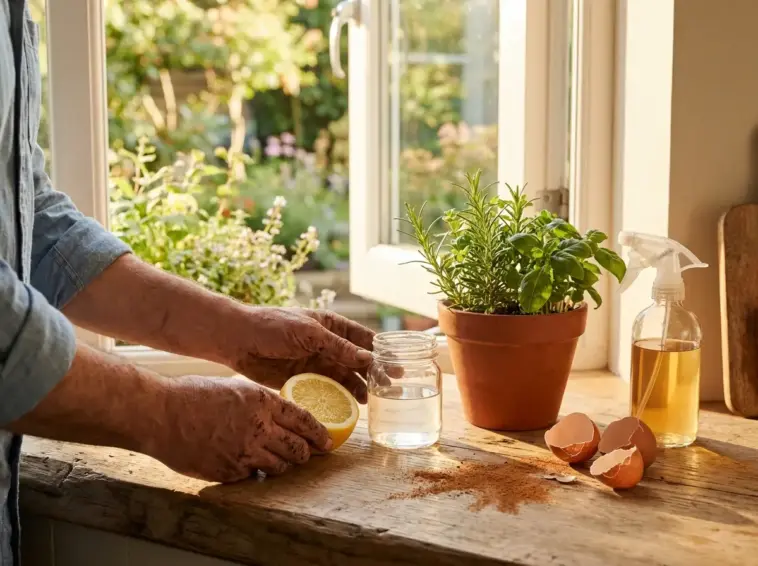
Did you know the average American spends over $500 a year on gardening supplies — and half of those products are sitting right in your kitchen?
I was today years old when I realized my struggling tomato plants didn’t need a fancy fix from the garden center. They needed banana peels.
Whether you’re tending a tiny balcony container garden in Chicago or cultivating a full backyard oasis in the suburbs of Dallas, the solution to your most frustrating garden problems might be as close as your pantry shelf.
From pesky pests to sad, yellowing leaves, these kitchen-to-garden hacks are budget-friendly, non-toxic, and genuinely effective.
Let’s dig in! 🌿
1. Yellowing Leaves? Reach for the Coffee Grounds
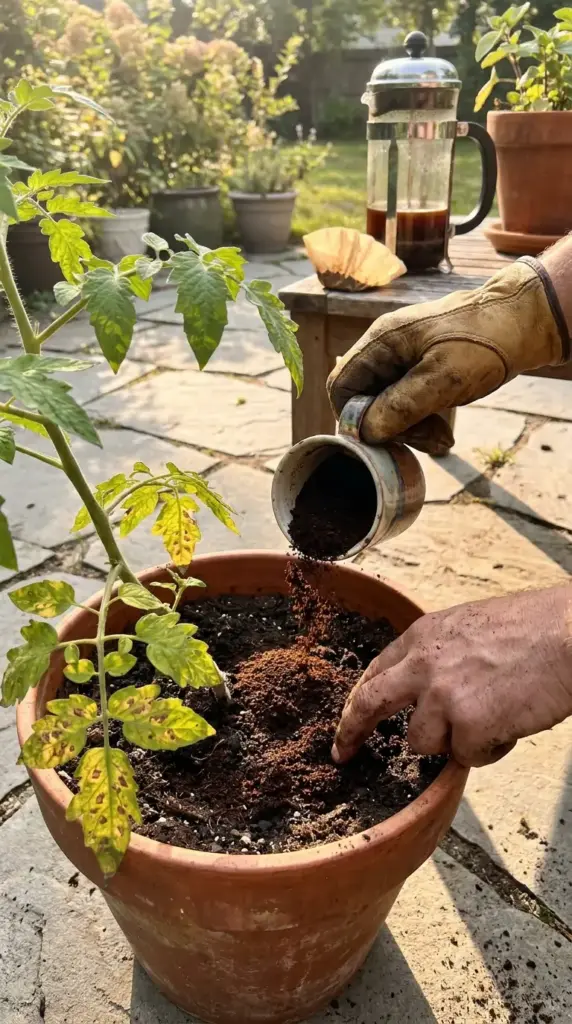
I’ll be honest — the first time I saw my tomato plants turning yellow, I panicked.
I thought I’d killed them. Turns out, I just hadn’t fed them properly. Classic rookie mistake, and one I’ve seen happen a lot.
Why Your Leaves Are Turning Yellow
Nitrogen deficiency is one of the most common reasons plants start yellowing — especially in container gardens.
Nitrogen is basically the protein of the plant world. Without enough of it, your plant can’t produce chlorophyll, and that rich green color just… fades.
Coffee Grounds Are a Natural Nitrogen Fix
Here’s the thing nobody tells you at the garden center — your morning coffee habit is already solving this problem.
Used coffee grounds contain roughly 2% nitrogen by volume, plus trace amounts of potassium and phosphorus. That’s a solid, slow-release fertilizer sitting in your trash can right now.
How to Apply Them Without Overdoing It
This is where people mess up (myself included, more than once).
Don’t just dump a week’s worth of grounds around your plant and call it a day. Too much can actually acidify your soil and cause a whole new set of problems.
Instead, sprinkle a thin layer — about half an inch — around the base of the plant and gently work it into the top layer of soil.
Mix it with compost if you have it. That balances things out nicely.
The Plants That Love This Treatment Most
Not every plant is a coffee fan, but a few absolutely thrive with this treatment:
- Roses — they love the slight acidity and the nitrogen boost
- Tomatoes — especially during their heavy-feeding growth stage
- Hydrangeas — coffee grounds can even deepen their blue color
How Often Should You Apply?
I’ve found that once every two to three weeks is the sweet spot.
You should start seeing greener, healthier leaves within about 2–3 weeks of consistent application. Don’t rush it — slow and steady wins with soil amendments.
Ready to tackle another sneaky garden pest? Hit that Next button below — because what I’m about to share about getting rid of aphids with something already under your kitchen sink genuinely surprised me. 🌿


GIPHY App Key not set. Please check settings