

 The Home Growns
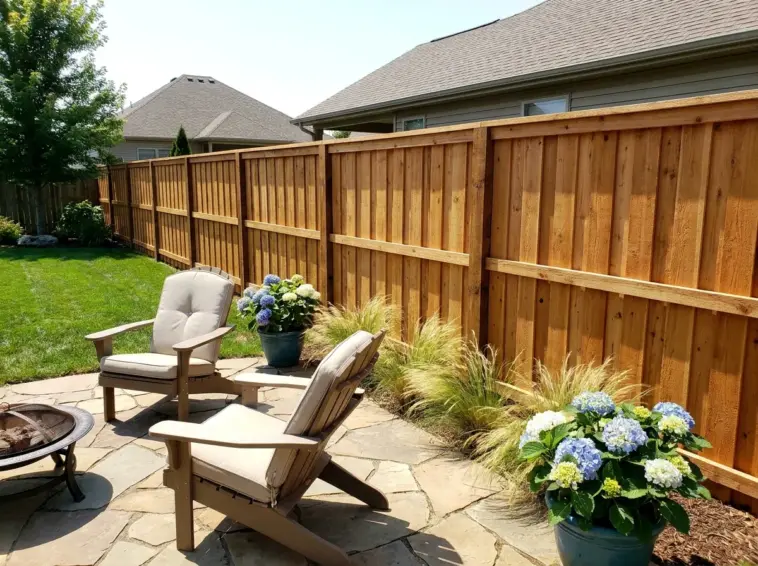
I love a shadowbox fence because it solves one of the most annoying backyard problems: wanting privacy without turning your yard into a windless box.
If you’ve ever sat behind a solid privacy fence in July and thought, why does it feel hotter back here, yep, same. This style keeps the space feeling tucked in while still letting air move through.
What Makes a Shadowbox Fence So Smart?
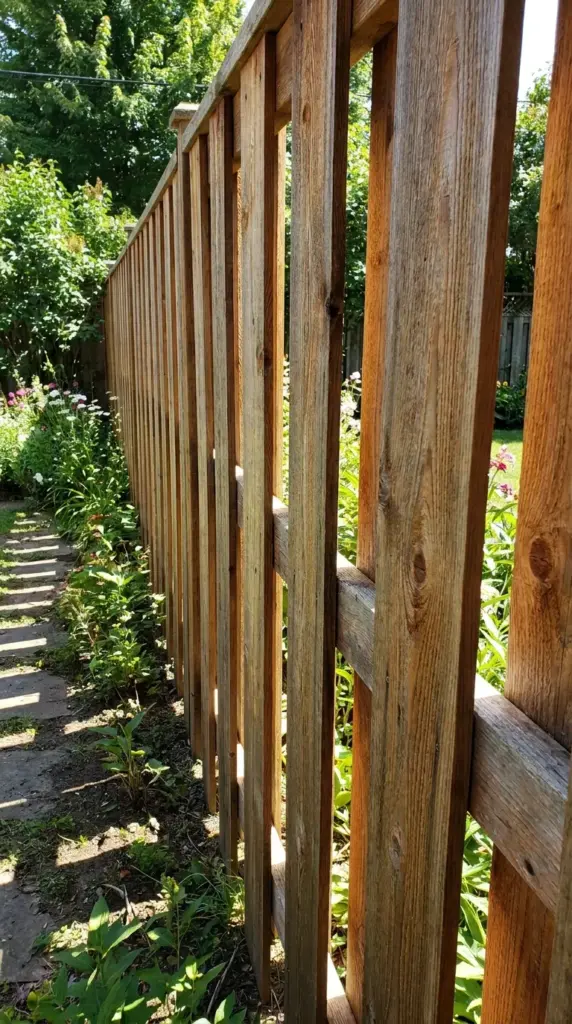
How shadowbox fencing actually works
A shadowbox fence uses alternating pickets on both sides of the rails. The boards are staggered, so the gaps on one side are covered by boards on the other side.
That creates a fence that looks more closed off from an angle. But because it still has spacing, it acts like a privacy fence with airflow instead of a solid wall.
Why it feels private but still breezy
This is the sweet spot. You don’t get full blackout privacy up close, but you do get enough visual screening for patios, play areas, and most suburban backyards.
Air can pass through the openings, which helps with backyard wind flow. In hot cities and sticky summer weather, that difference is honestly huge.
Shadowbox vs. solid privacy vs. picket
A solid wooden privacy fence blocks more views and more wind. A basic picket fence lets in tons of air, but it doesn’t do much for privacy.
A board-on-board fence or alternating picket fence sits right in the middle. That’s why I recommend it so often for families who want comfort, pets contained, and a yard that still feels open.
Why people call it a good neighbor fence
Both sides look finished. That means your yard and your neighbor’s yard get the same clean look, which is why it’s often called a good neighbor fence.
I’m a big fan of anything that avoids awkward fence drama. Next, I’m going to show you the honest truth about what this fence can and can’t do before you spend a dime.

GIPHY App Key not set. Please check settings