

 The Home Growns
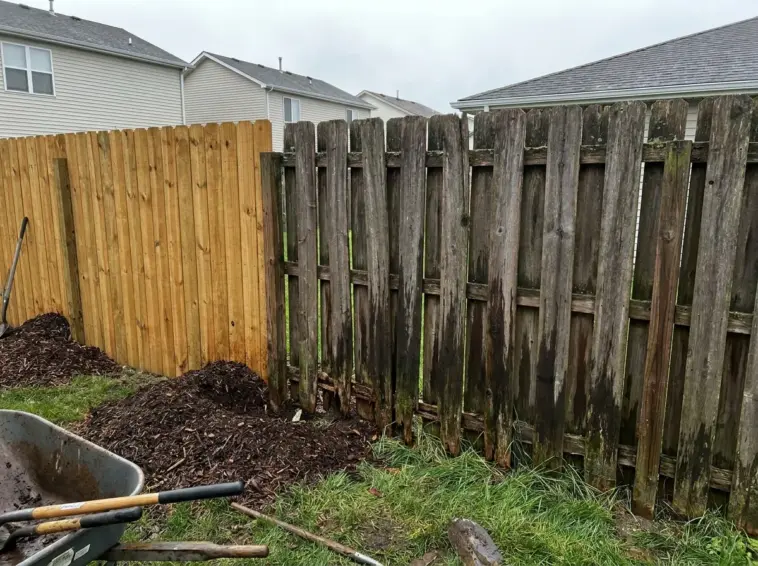
I’ve built enough fences to tell you this truth straight: a cheap fence does not have to become a soggy, leaning mess in two years.
But when people try to save money in the wrong places, rot shows up fast, and wow, it is annoying.
I’ve seen backyard fences go from “just installed” to “why is that post wobbling?” after only two wet seasons. Usually, it comes down to the same handful of mistakes, and the good news is most of them are fixable before you even dig the first hole.
Why Cheap DIY Fences Fail So Fast
Budget-Friendly Does Not Have to Mean Disposable
I’m all for saving money, especially on a project that can eat up a weekend and your hardware budget in one gulp.
The problem is that many people confuse cheap upfront with cheap overall, and those are not the same thing.
A fence that fails in two seasons is usually the most expensive fence you could build. You pay once for materials, then again for repairs, replacement boards, and your own frustration.
Moisture, Airflow, and Materials Work Together
Wood rot is rarely caused by just one thing.
It happens when moisture sticks around, the wood can’t dry out, and the materials were never chosen to handle outdoor exposure in the first place.
That’s why pressure-treated lumber, fence board spacing, and post hole drainage matter so much. One weak link can shorten the whole fence’s lifespan.
Cosmetic Wear vs. Real Structural Rot
A little fading, surface checking, or minor cracking is normal outdoors.
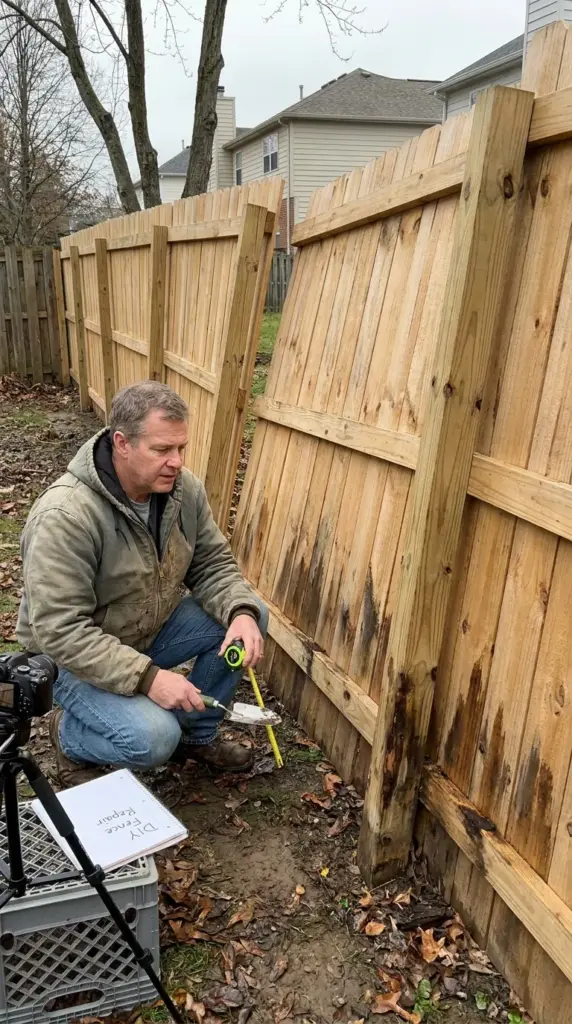
But soft wood, black staining, fungal growth, splitting around fasteners, and loose posts are bigger warning signs that the structure is starting to fail.
I always tell beginners not to panic over every crack. Panic a little when the screwdriver sinks into the post like a fork into overcooked lasagna.
What Homeowners Usually Miss During Planning
Most fence failures start before the first board goes up.
People forget about sprinkler overspray, soil grade, mulch buildup, bottom clearance, or whether the lumber is rated for ground contact or only above-ground use.
If you get the planning wrong, the rest of the build spends years trying to recover. Hit the next button below, because the first mistake is probably the one I see most often.


GIPHY App Key not set. Please check settings