

 The Home Growns
Mistake #5: Building the Fence Too Tight for Airflow
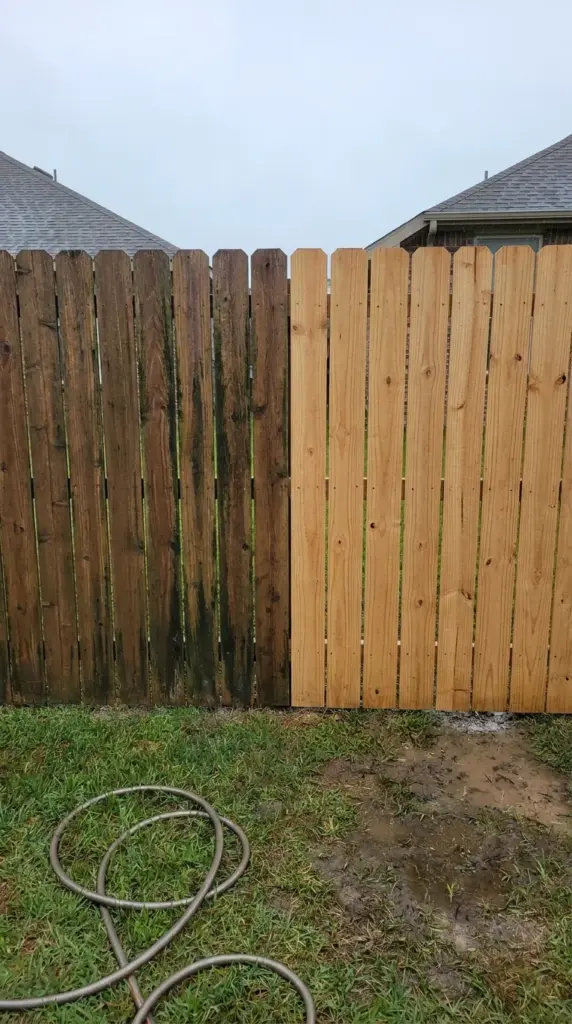
Why Tightly Packed Boards Stay Damp Longer
A fence needs to dry after rain, dew, and irrigation.
When boards are packed too tightly, moisture lingers, and poor fence airflow creates the perfect setup for mildew, mold, and slow rot.
This is extra true in shady side yards where the sun barely helps.
How Spacing Affects Drying Time and Mold Growth
Even small gaps can improve drying.
Proper fence board spacing helps water shed faster and allows air to move through or around the structure, which reduces the time wood stays damp.
I know some people want a super-sealed privacy look, but if the fence never breathes, it ages like milk.
Airflow Mistakes in Privacy and Horizontal Fences
Horizontal fence drainage issues are common because water can sit on top edges and in tight channels.
Board-on-board and full privacy styles can work, but they need smart detailing so water doesn’t get trapped between layers or along rails.
Lately, more homeowners are choosing designs with hidden drainage gaps or slight spacing between horizontal boards. That’s a trend I actually love because it’s practical, not just pretty.
Smart Layout Tweaks That Still Look Polished
Use spacers during installation, leave room at the bottom, and avoid sandwiching boards so tightly that they never dry.
You can still get a clean, modern look without building a moisture trap. A polished fence is nice, but a polished fence that lasts is way better.
The next mistake involves metal, and yep, cheap screws can absolutely help destroy a wood fence. Hit the next button below because hardware matters more than it seems.


GIPHY App Key not set. Please check settings