

 The Home Growns
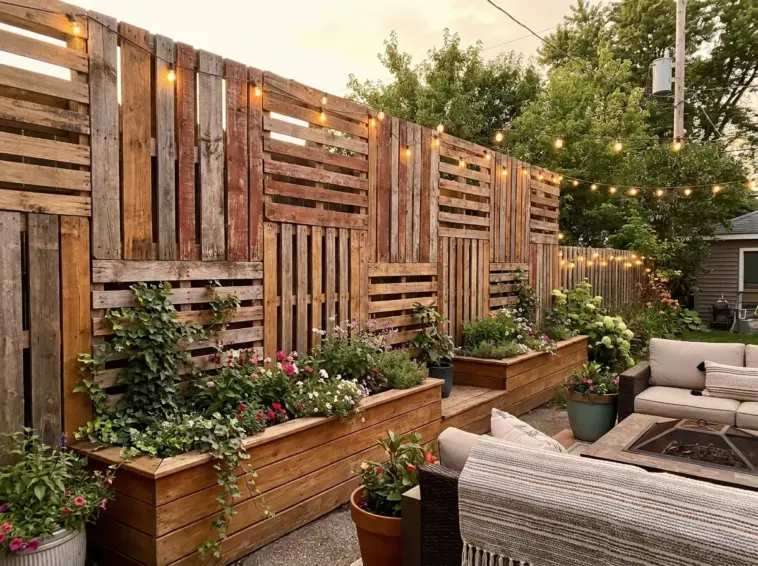
If you want a backyard privacy fence that feels custom without eating your whole budget, pallets and reclaimed boards can absolutely get you there. I’ve built enough slightly wonky projects to tell you this: cheap does not have to look cheap.
The real trick is using reclaimed wood fencing in a way that feels intentional. When you combine smart structure, good spacing, and a finish that fits your yard, a DIY pallet fence can look cozy, modern, rustic, or surprisingly high-end.
Before you start, I always tell people to check pallets for the HT stamp, which means heat-treated. I skip anything marked MB, heavily stained, or chemically funky-looking, because safe pallet wood use matters way more than saving a few dollars.
1. Build a Classic Vertical Pallet Privacy Fence
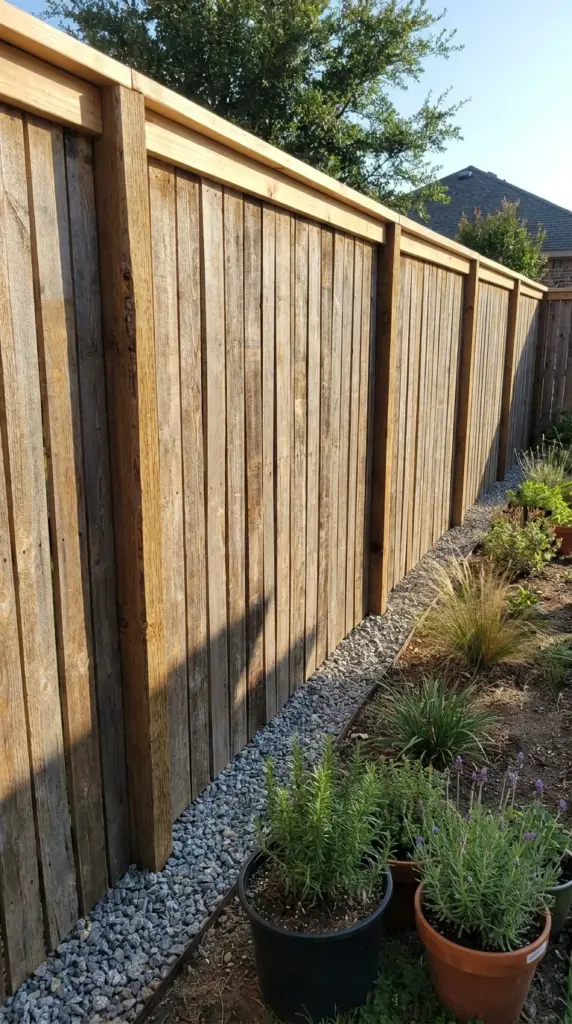
Best pallets for a tall privacy wall
For a classic full-height privacy fence, I like pallets with thicker deck boards and fewer broken slats. Uniform pallets are easier to line up, but mixed reclaimed pieces can still work if you’re okay with a more relaxed, rustic garden fence look.
A fence between 6 and 8 feet tall usually gives solid privacy in most backyards. If local rules allow it, that height creates a clean visual barrier without feeling like a fortress.
Reinforce the structure so it feels sturdy
This is where people mess up. They stand pallets upright, screw a few things together, and hope for the best.
I always add real posts, whether that means treated 4x4s in concrete, post spikes, or a no-dig fence system rated for tall panels. Posts spaced about 6 to 8 feet apart usually keep the wall from wobbling like a shopping cart.
Plan the layout for better curb appeal
Vertical boards are forgiving, which is great if your yard slopes or your reclaimed lumber isn’t perfectly straight. I snap a chalk line first, because eyeballing it is how I once ended up with a fence top that looked like a slow-motion roller coaster.
For a cleaner finish, cap the top with a horizontal board. That tiny detail makes an upcycled fence panel look way more polished.
Best places to use this style
This style shines in side yards, behind patios, and along back property lines where you want direct screening. It also works well in urban lots where houses sit close together and you need fast, solid privacy.
And if you think vertical is the only way to make reclaimed wood look good, hit the next button below because the horizontal version can make a small yard look way bigger.

GIPHY App Key not set. Please check settings