

 The Home Growns
Final Takeaway: A Cheap Fence Can Last If You Avoid These 7 Mistakes
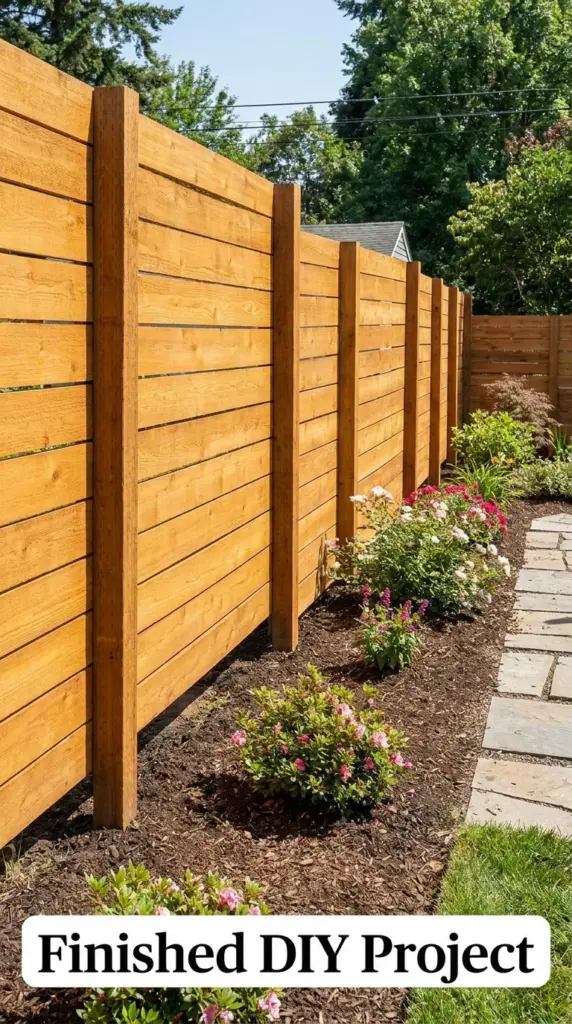
The Seven Biggest Rot Triggers to Remember
If you remember nothing else, remember this: fences rot fast when the wrong wood stays wet and can’t dry.
The biggest culprits are bad lumber choices, trapped water at posts, soil contact, unsealed cut ends, poor airflow, rusty fasteners, and badly timed paint or stain.
The Fastest Upgrades With the Biggest Payoff
If you’re trying to improve an existing fence, start with drainage, clearance, sealing exposed cuts, and better hardware.
Those fixes often give you the best return without requiring a full replacement. They’re not glamorous, but they’re effective.
A Beginner-Friendly Mindset for Better DIY Results
I always tell people to stop thinking only about how the fence looks on install day.
Instead, think about how it handles rain, mulch, sprinklers, winter moisture, and summer heat. A durable fence is really just a bunch of small smart choices stacked together.
What to Do Before You Buy Lumber This Weekend
Make a list before you shop.
Check treatment ratings, measure bottom clearance, choose the right screws, plan drainage, and decide how you’ll protect cut ends before the saw ever turns on.
If this helped you, I’d love to hear about your project. Drop a comment below, share this with a DIY friend, and pin it for later so you’ve got it handy before your next fence build.


GIPHY App Key not set. Please check settings