

 The Home Growns
Fix #7 — Learn the Basics of Seasonal Garden Care
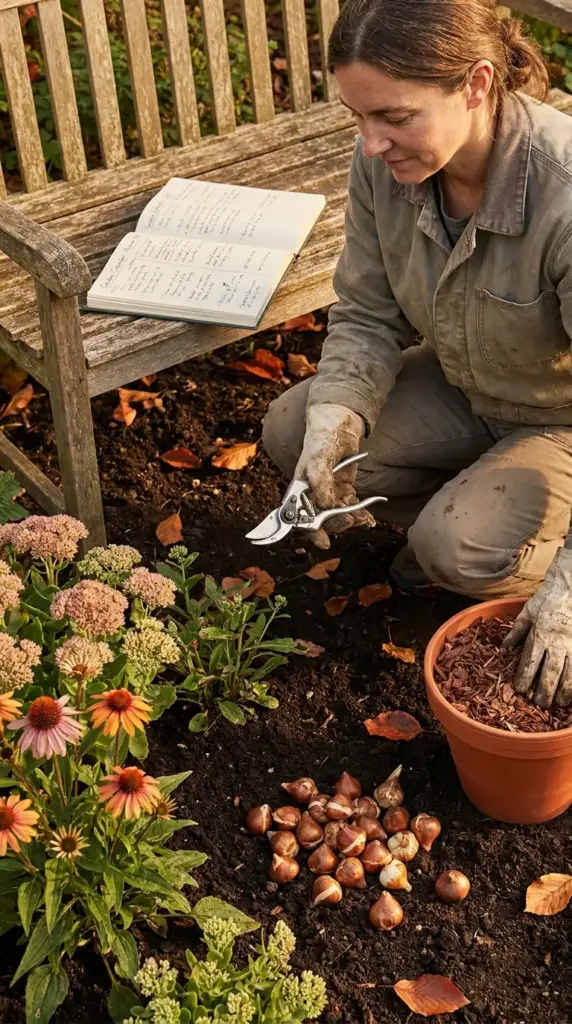
My first fall as a gardener, I just… stopped going outside.
The summer was over, things looked a little rough, and honestly I assumed the garden was done for the year. I left everything in place and walked away.
That was a mistake that cost me the following spring.
Seasonal garden care isn’t complicated. But ignoring it has real consequences.
What Garden Care Looks Like Across Every Season
Each season asks something different from you as a gardener.
Spring — the fresh start:
- Clean out dead growth from winter
- Refresh potting mix in containers that look depleted
- Begin fertilizing as new growth appears
- Start seeds indoors 6 to 8 weeks before your last frost date
- This is your most important gardening season. Set it up right and everything else flows easier.
Summer — the maintenance season:
- Water more frequently as heat increases evaporation
- Deadhead spent blooms regularly to encourage continuous flowering
- Watch closely for pests — warm weather brings them out fast
- Mulch garden beds to retain moisture and regulate soil temperature
Fall — the preparation season:
- Cut back perennials after the first frost
- Plant spring bulbs like tulips and daffodils now for gorgeous spring payoff
- Add compost to garden beds to replenish nutrients over winter
- Bring tender indoor plants back inside before temperatures drop below 50°F
Winter — the rest season:
- Drastically reduce watering for indoor plants
- Protect outdoor container plants by grouping them together against walls
- Use this slower season to plan, research, and dream about next year’s garden
- Clean and sharpen your gardening tools — they’ll thank you in spring
Seasonal Prep by City
Location changes everything about seasonal timing.
New York and Chicago:
- Last frost typically mid-April to early May
- Start seeds indoors in late February or early March
- Winters are brutal — bring everything tender inside by October
Dallas and Atlanta:
- Milder winters mean longer growing seasons
- Fall gardening is genuinely excellent in these cities — plant cool-season crops like kale and lettuce in September
- Summer heat is intense — mulch heavily and water deeply in July and August
Seattle and Minneapolis:
- Seattle’s mild, rainy winters are surprisingly plant-friendly
- Minneapolis winters are harsh — treat them like Chicago with extra caution
- Seattle gardeners can often grow cool-season greens year-round with minimal protection
Los Angeles and Washington DC:
- LA gardeners enjoy nearly year-round growing — lucky you!
- DC falls somewhere between NYC and Atlanta — expect a last frost around mid-April
- Both cities benefit from shade cloth during intense summer heat waves
Pruning, Deadheading, and Trimming — Simply Explained
These three tasks sound intimidating. They’re really not.
Pruning means removing larger stems or branches to shape a plant and encourage healthy new growth.
When to prune: Most flowering shrubs get pruned right after they finish blooming. Most houseplants can be lightly pruned anytime you see leggy or damaged growth.
Deadheading means pinching or snipping off spent, dead flower heads.
Why it matters: When a plant’s flower dies and goes to seed, the plant thinks its job is done. Removing dead blooms tricks it into producing more flowers. Zinnias especially love this treatment.
Trimming is light, general tidying — removing yellowed leaves, stray stems, anything that looks untidy.
Do this regularly and your garden always looks intentional and cared for, even during slower growth periods.
A clean pair of bypass pruning shears handles all three tasks beautifully. Fiskars makes a reliable beginner pair for around $15 at any Home Depot or Lowe’s.
Protecting Plants From Extreme Weather
Weather happens. Being prepared makes all the difference.
Heat waves (especially relevant for Dallas, LA, and Atlanta readers):
- Water deeply in the early morning — never midday when water evaporates instantly
- Move container plants to shadier spots temporarily during extreme heat
- Apply a thick layer of mulch to insulate soil and retain precious moisture
- Shade cloth (available at most garden centers) can protect vulnerable plants during brutal heat spells
Frost warnings (critical for NYC, Chicago, Minneapolis, and DC readers):
- Cover tender plants overnight with frost cloth or old bedsheets — even a single layer makes a significant temperature difference
- Bring container plants indoors when temperatures drop below 35°F
- Water plants the day before an expected frost — moist soil retains heat better than dry soil
- Never use plastic sheeting directly on plants — it traps cold air and causes more damage
Heavy rain:
- Ensure all containers have functioning drainage holes before storm season
- Temporarily move potted plants under overhangs or covered patios during prolonged downpours
- Check soil moisture after heavy rain before resuming your regular watering schedule — the ground is likely already saturated
Building a Simple Garden Care Calendar
The secret to consistent garden care? Write it down.
You don’t need a fancy app or elaborate system. A simple monthly checklist works beautifully.
Here’s a bare-bones framework to start with:
- January/February — plan, order seeds, clean tools, research
- March/April — start seeds indoors, prep beds, begin fertilizing
- May/June — plant outdoors after last frost, establish watering routine
- July/August — water deeply, deadhead regularly, watch for pests
- September/October — plant bulbs, add compost, begin bringing plants inside
- November/December — reduce watering, protect outdoor plants, rest and reflect
Apps worth trying for garden scheduling:
- Gardenize — simple, visual, beginner-friendly
- Greg Plant Care App — sends personalized watering reminders based on your specific plants
- Moon & Garden — popular with gardeners who like following lunar planting cycles
Consistency over perfection. A simple routine you actually follow beats an elaborate system you abandon by week three.
Fix #8 is where we get into plant detective mode — because knowing how to spot and fix problems fast is what separates gardeners who lose plants from gardeners who save them. Hit next to learn exactly what your struggling plants are trying to tell you. 🔍🌿


GIPHY App Key not set. Please check settings