

 The Home Growns
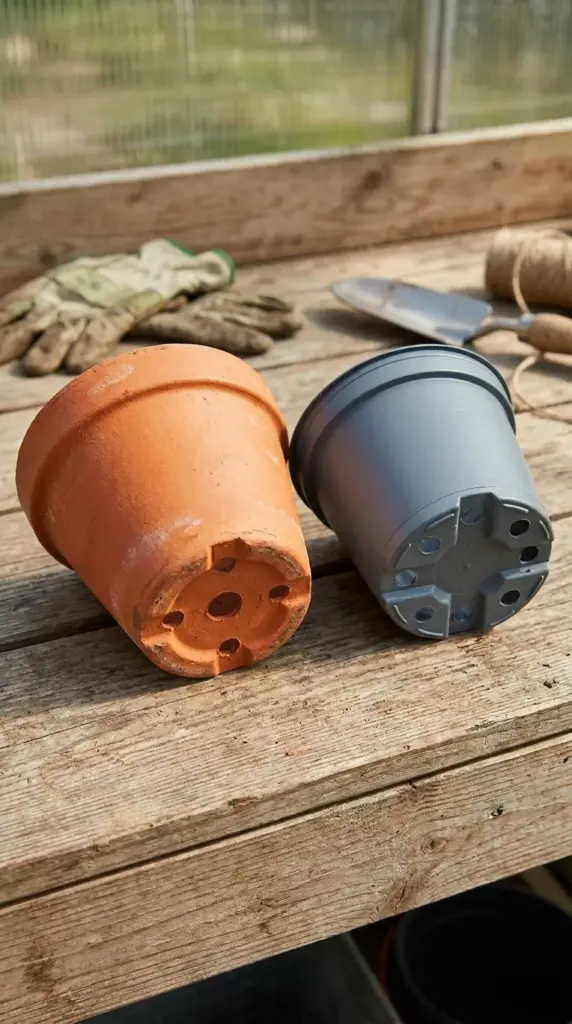
6. Always Use a Pot with Functional Drainage Holes
I once fell completely in love with this stunning, hand-painted ceramic planter at a local flea market. It didn’t have any holes at the bottom, but the seller assured me that throwing a layer of gravel down there would keep the roots perfectly safe.
That piece of advice turned out to be a total myth, and it nearly rotted my poor plant from the inside out within a month.
The Dangerous Myth of the Gravel Layer
When you pour water into a pot without drainage holes, the excess moisture doesn’t magically disappear into the rocks. Instead, it pools at the very bottom, creating a stagnant underground swamp that smothers the roots.
In a low-light room, that trapped water can sit there for months without ever evaporating. This creates the absolute perfect breeding ground for nasty fungi and catastrophic root rot.
The Clever Cachepot Method to Save the Day
If you have a gorgeous decorative planter with no holes, don’t throw it away just yet. You can use the “cachepot” system, which is basically a fancy design trick where you hide an ugly plastic liner inside a pretty outer pot.
Keep your ZZ plant in its standard plastic nursery pot, slide it inside the decorative container, and simply lift it out when it is time to water. Alternatively, switching to raw terracotta pots is a fantastic option because the porous clay naturally breaths and pulls excess moisture away from the soil.
Once your drainage setup is completely bulletproof, we need to talk about why your plant’s gorgeous sheen might actually be starving in the shadows, so hit that next button below because I’m breaking down how to properly clean those dusty leaves.

GIPHY App Key not set. Please check settings