

 The Home Growns
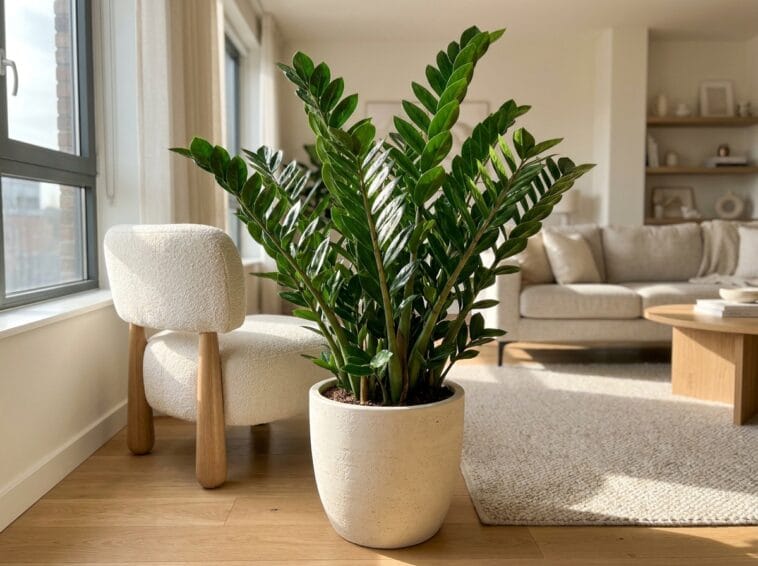
I still remember the absolute panic I felt when my very first ZZ plant started doing a slow, tragic lean toward the floor. Everyone online swore that Zamioculcas zamiifolia was completely un-killable, which made me feel like the ultimate plant-parent failure.
Honestly, I was treating it like my thirsty ferns and watering it every single week. It didn’t take long for those thick, glossy stems to lose their upright structure and start looking completely exhausted.
The truth is, these architectural indoor beauties are incredibly tough, but they aren’t made of plastic. When a drooping ZZ plant shows up in your home decor setup, it is just trying to communicate that something is off with its environment.
Don’t worry, we are going to rescue your green friend together. I’ve put together the ultimate black thumb cheat-sheet to take your plant from a sad, leaning mess back to a thriving, glossy masterpiece.
Why Your “Indestructible” ZZ Plant is Drooping
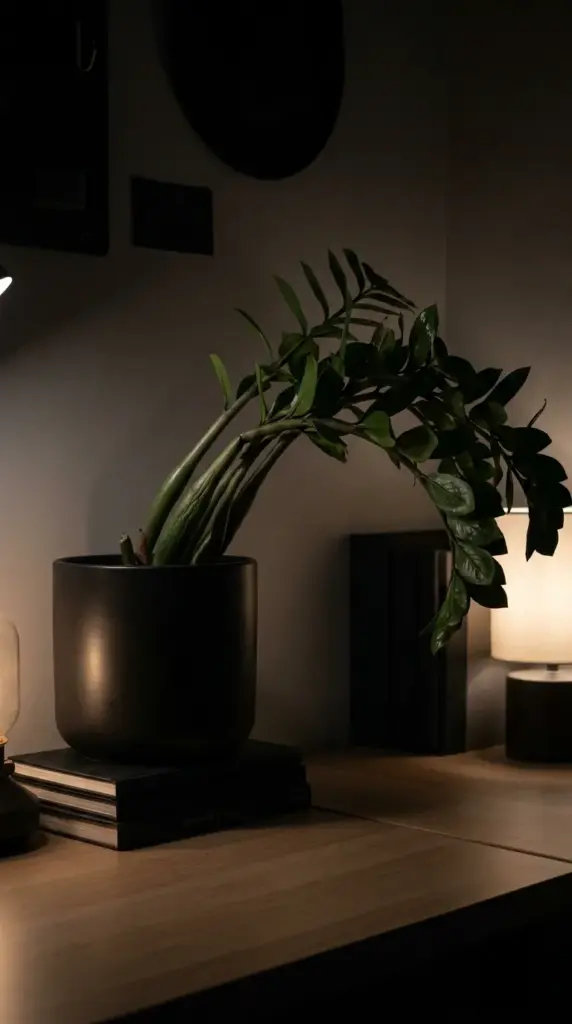
I once tucked a gorgeous, pricey ZZ right into my windowless downstairs bathroom, completely believing the internet gossip that they thrive on total darkness. To make things worse, I gave it a massive cup of water every single Saturday like clockwork.
Within two months, my architectural masterpiece turned into a mushy, leaning mess that literally flopped right out of its pot. Talk about a total gut punch for a self-proclaimed plant expert!
Drowning in Kindness: The Overwatering Overhaul
The number one reason for a drooping ZZ plant is almost always overwatering, which triggers deadly root rot.
These guys have thick, potato-like underground bulbs called rhizomes that store water for weeks at a time. When you keep the soil constantly soggy, you essentially suffocate the roots, cutting off the vital oxygen your plant needs to stand tall.
If your stems feel super soft or look wrinkled at the base, the soil is holding way too much moisture. You’ve got to stop loving your plant to death with the watering can.
The Darkness Trap and Secret Warning Signs
Another huge culprit is the low-light myth. While a Zamioculcas zamiifolia can tolerate a dim corner for a while, “low light” doesn’t mean “no light.”
Without enough light energy, the stems grow incredibly thin, weak, and leggy as they stretch desperately toward the nearest window. This lack of strength causes that dramatic, heartbreaking lean.
Keep a sharp eye out for yellow leaves or a pale green color on new growth. Those are the plant’s literal SOS signals telling you it is starving for light and drowning underneath.
Thankfully, reversing this damage isn’t rocket science once you know the secret playbook. Go ahead and hit that next button below, because I’m breaking down the exact golden rules of watering and soil that will completely flip the script for your plant.

GIPHY App Key not set. Please check settings