

 The Home Growns
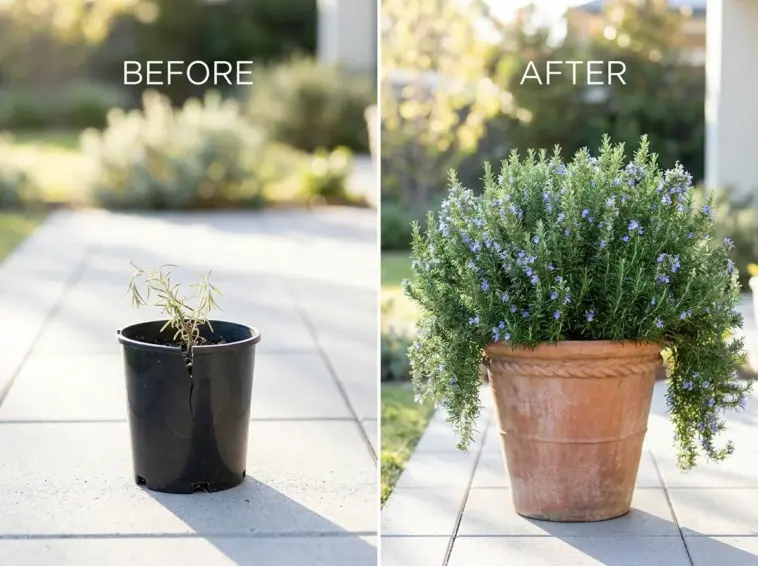
Did you know that nearly seventy percent of those cute, store-bought rosemary plants are practically engineered to kick the bucket within a few weeks?
In this guide, I’m peeling back the curtain on how to spot hidden nursery traps, fix your soil mix, and master the exact pruning tricks that force a tiny twig to explode into a massive bush.
We’re going to completely rewrite the rules on watering cycles, lighting needs, and pot selection so you can stop wasting money on replacement herbs.
The real headache is that most well-meaning gardeners treat rosemary like a typical houseplant, which accidentally suffocates the roots and causes a total meltdown overnight.
But the actual secret to a thrive-anywhere herb bush is shockingly backward, involving a dirt setup that looks more like a dry desert than a lush garden bed.
Stick with me for a few minutes, and I promise you’ll get the exact, fluff-free blueprint to turn that struggling green stick into an indestructible garden staple.
The Secret Cause Behind Your Dying Rosemary Plant
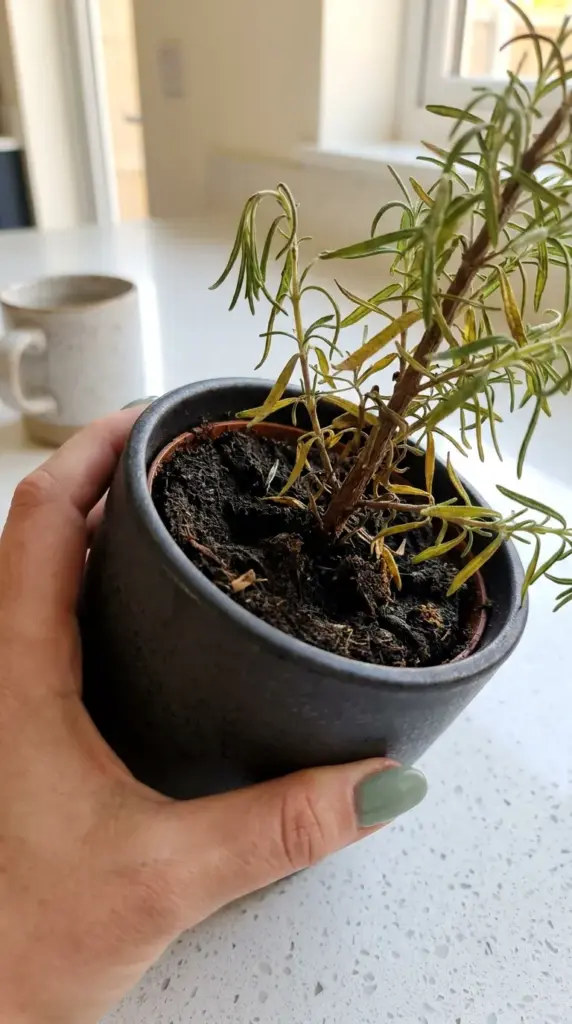
I remember buying my first gorgeous rosemary from a big-box store, feeling like a certified garden guru, only to watch it turn into a crispy brown stick exactly nine days later. I was devastated and convinced I had a black thumb, but later I realized the game was rigged from the start.
The Nursery Soil Trap Exposed
Commercial growers often pot up a young rosemary plant in a dense, peat-heavy soil mix. They do this because peat holds water like a sponge, keeping the herbs alive on long, bumpy shipping trucks.
But once that pot sits on your sunny kitchen counter, that peat dries out and shrinks into a literal concrete brick. This suffocates the root system completely, ensuring you have to buy a replacement herb bush every single season.
Overwatered vs. Underwatered Signs
To beat the system, you have to catch rosemary root rot before the top branches start dropping off. If the lower leaves turn a sickly yellow or drop while the dirt feels damp, your plant is quietly drowning.
On the flip side, if the very tips look wrinkly and the soil is bone dry, it is just throwing a thirst tantrum. Learning to read these subtle cries for help is your first real step toward garden mastery.
And since saving a suffocated root system is almost impossible once it turns black, click that next button below because I am revealing the exact rugged desert dirt recipe that triggers explosive growth.


GIPHY App Key not set. Please check settings