

 The Home Growns
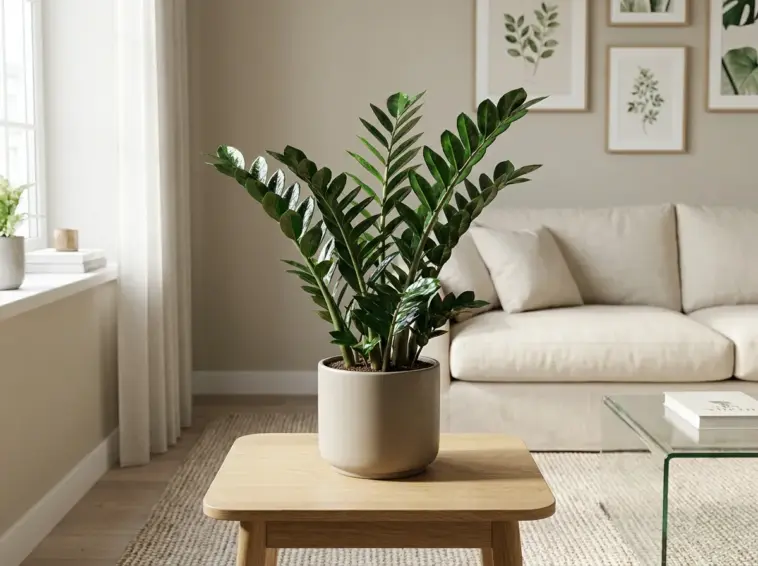
Honestly, I used to think the Zamioculcas zamiifolia—our beloved ZZ plant—was completely indestructible until I accidentally turned my very first one into a sad, yellowing mess.
It turns out that while these glossy beauties are famous for surviving total neglect, nearly 75% of indoor plant parents still struggle with stalled growth or hidden root issues.
That is exactly why I want to share some absolute game-changers with you today.
We are going to dive into a few foolproof, high-yield ZZ plant care hacks that will unlock that deep, gorgeous emerald-green coloration we all crave for our spaces.
Trust me, getting that mirror-like natural leaf shine and pushing out massive new growth is way easier than you think once you know the right steps.
1. Master the Art of Calculated Neglect
I used to be a chronic over-waterer, hovering over my green babies every single Saturday morning like a helicopter parent. That hover-mothering completely ruined my very first ZZ plant, rotting it from the inside out.
It took a total root meltdown for me to realize that these plants absolutely thrive when you just ignore them.
The Desert Succulent Mindset
The absolute biggest secret to successful ZZ plant care is changing how you look at the plant itself. Even though it has gorgeous, tropical-looking fronds, you need to treat it exactly like a desert cactus.
Those thick, glossy stems and underground bulbs are built to lock in moisture for weeks on end. Watering on a strict weekly calendar schedule is a fast track to root rot, which suffocates the plant’s base.
The Chopstick Test and Warning Signs
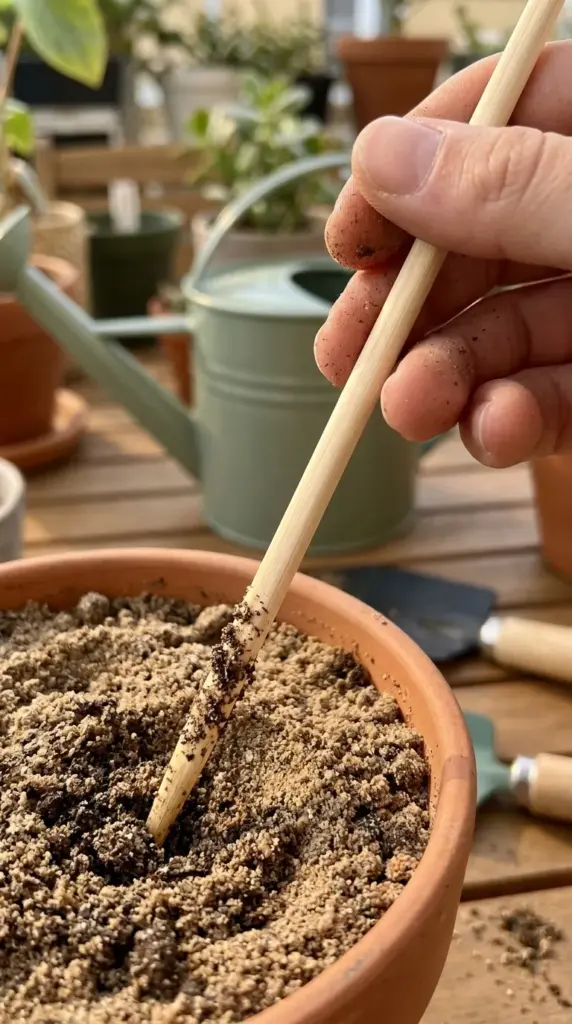
Before you even think about grabbing your watering can, you need to make sure the potting mix is completely dry all the way to the bottom of the pot. I love using a simple wooden chopstick pushed deep into the soil; if it comes up with any damp dirt clinging to it, walk away and leave it alone.
Keep a close eye out for early warning signs like sweeping leaves or a slight squishiness at the base of the stalks. Catching these tiny shifts early keeps those vibrant green leaves from turning into a sad, yellow mess.
Now that we have your watering boundaries sorted out, we need to talk about where this beauty is actually going to live in your home. Go ahead and hit that next button so we can map out how to find that perfect, low-light sweet spot without accidentally scorching your new roommate!

GIPHY App Key not set. Please check settings