

 The Home Growns
6. The Minimalist Feeding Schedule for Explosive Growth
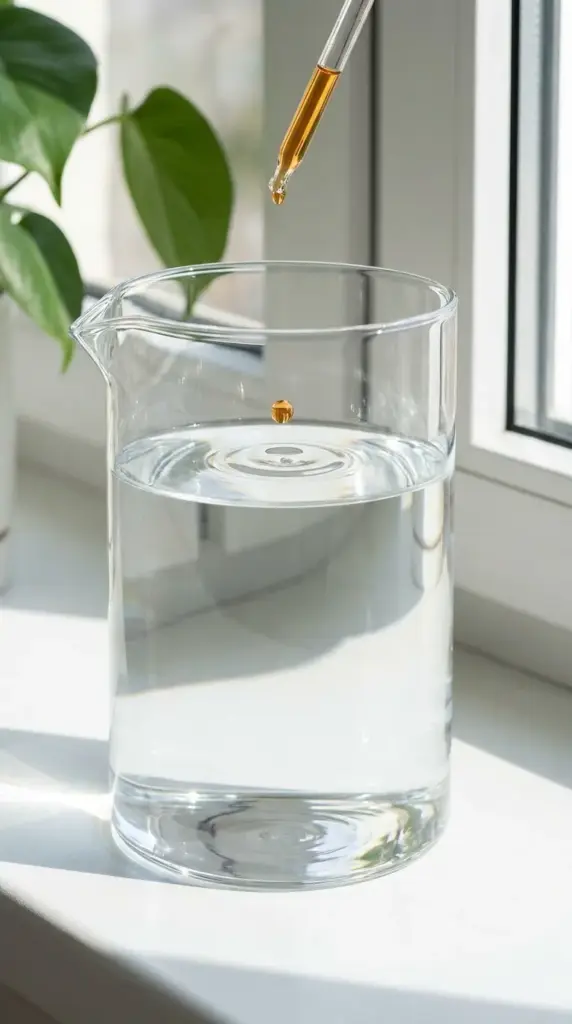
I remember getting so impatient with my ZZ plant’s slow growth that I dumped a massive scoop of full-strength fertilizer into its pot, thinking I’d jumpstart it. Boy, was that a mistake, because within a week, the lower leaves looked totally scorched from chemical root shock.
Less is More in the Growing Season
The absolute biggest rule with ZZ plant fertilizer is that less is always more. You really only want to feed them during their active growing season in the spring and summer months.
During the winter, the plant enters a semi-dormant rest state, so adding plant food will just sit there and cause chemical burns on the roots.
Mastering the Dilution Ratio
When you do feed your plant, never use the full dosage recommended on the bottle. I always take a standard liquid indoor plant food and dilute it down to half or even a quarter of its strength.
This gentle approach gives those beautiful vibrant green leaves just enough of a nutritional boost without overwhelming the sensitive root system.
And once you’ve got that feeding routine dialed in, your plant is going to start stretching out its gorgeous new stems, so click that next button below because we need to make sure it doesn’t start leaning crazily toward the light!


GIPHY App Key not set. Please check settings