

 The Home Growns
Garden Care Routines That Keep Your Mini Farm Thriving All Year
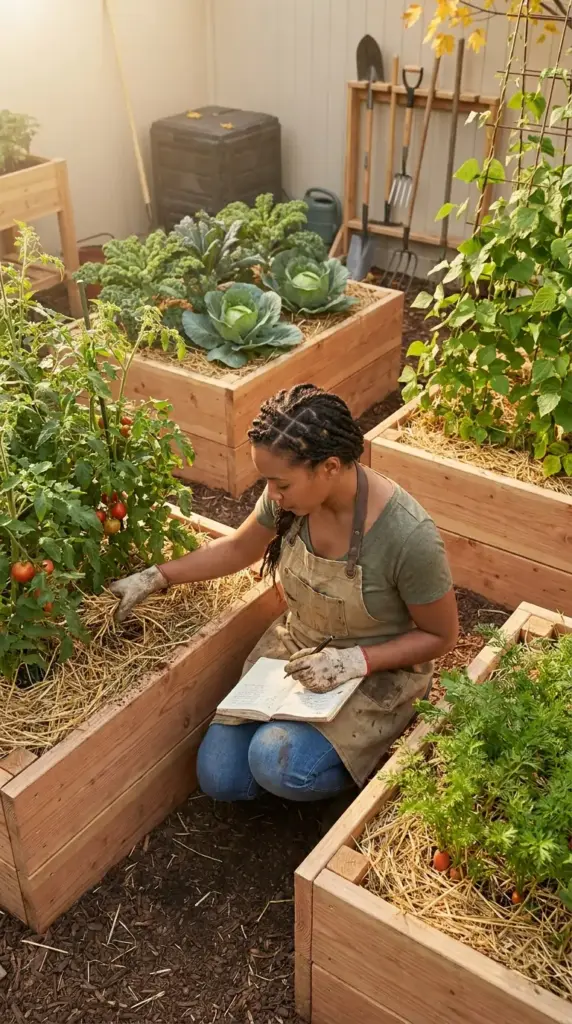
Real talk — I used to think gardening was just a spring and summer thing.
I’d abandon my beds every October and wonder why my soil was worse every following year. 😬 Consistency across all four seasons is genuinely everything.
Seasonal Care Calendar: What to Do and When
🌱 Spring — Prep and Plant
- Test and amend soil before planting anything
- Start seeds indoors 6–8 weeks before last frost
- Apply fresh compost layer to all beds
- Install drip irrigation before you desperately need it
☀️ Summer — Maintain and Monitor
- Deep water early morning, never evening
- Scout for pests weekly — catching problems early saves entire crops
- Succession plant every 2–3 weeks for continuous harvests
- Side-dress heavy feeders like tomatoes with compost tea monthly
🍂 Fall — Harvest and Restore
- Pull spent crops immediately — don’t let disease overwinter in your beds
- Plant cover crops like crimson clover or winter rye to protect and feed soil
- Apply a thick mulch layer before first frost
- This is the season most beginners skip. Please don’t skip it.
❄️ Winter — Rest and Plan
- Order seed catalogs and plan next year’s layout
- Turn and maintain your compost pile
- Clean, sharpen, and oil all tools before storing
- Dream big. Winter planning is genuinely half the fun. ✨
Mulching, Pruning, and Crop Rotation Basics
Mulching isn’t just a spring task — it’s a year-round soil management strategy.
Reapply a fresh 2–3 inch layer every season to maintain consistent moisture, temperature regulation, and weed suppression.
Pruning keeps airflow moving through dense plantings, which dramatically reduces fungal disease. Remove dead or yellowing leaves immediately — don’t wait.
Crop rotation is simpler than it sounds. Just avoid planting the same plant family in the same bed two years running. Tomatoes, peppers, and eggplant are all the same family — rotate them together as one group.
A 4-bed rotation system works beautifully for most mini farms:
- Nightshades (tomatoes, peppers)
- Brassicas (kale, cabbage)
- Legumes (beans, peas)
- Roots (carrots, beets)
Dealing With Common Pests and Diseases Organically
Prevention beats treatment every single time. I learned this after losing an entire kale crop to cabbage worms. 😤
Most common mini farm problems and organic fixes:
| Problem | Organic Solution |
|---|---|
| Aphids | Blast with water, apply neem oil |
| Slugs | Diatomaceous earth, beer traps |
| Powdery mildew | Baking soda spray, improve airflow |
| Cabbage worms | Row covers, Bt (Bacillus thuringiensis) |
| Root rot | Improve drainage, reduce watering |
Healthy soil grows healthy plants — and healthy plants naturally resist pests better than stressed ones. It always comes back to soil.
How to Keep Soil Health Improving Year After Year
Think of your soil as a long-term investment rather than a quick fix.
Annual soil health checklist:
- Test pH and NPK every spring
- Add 2–3 inches of compost each season minimum
- Never leave soil bare — always mulch or cover crop
- Minimize foot traffic on beds to prevent compaction
- Avoid all synthetic chemicals — they devastate the microbial life you’ve worked so hard to build
Honestly? Soil that’s been organically managed for 3+ years practically takes care of itself. The biology just kicks in. 🌱
Journaling and Tracking Your Garden’s Progress
This habit completely transformed my gardening results — and it’s genuinely enjoyable.
A simple $5 notebook works perfectly. Track these basics:
- Planting dates and seed varieties
- First harvest dates
- Pest or disease issues and what worked
- Soil amendment applications
- Weather patterns and their effects
Patterns emerge surprisingly fast. After just one full season of journaling, I knew exactly which varieties performed best in my specific conditions. No guessing, no repeating mistakes.
There are also some great free apps worth exploring:
- 🌿 Gardenize — beautiful interface, photo tracking
- 🌿 Garden Plan Pro — excellent layout planning tool
- 🌿 From Seed to Spoon — planting date calculator by zip code
Community Resources That Make You a Better Gardener
You don’t have to figure this out alone — and honestly, gardening communities are some of the warmest, most generous people you’ll ever meet.
Local resources worth finding:
- Cooperative Extension offices — every US state has one, offering free soil testing and local planting guides
- Community gardens — incredible for hands-on learning and connecting with experienced growers
- Master Gardener programs — free expert advice available in most major cities including Atlanta, DC, and Minneapolis
Online communities worth joining:
- 🌱 r/vegetablegardening on Reddit — incredibly active and helpful
- 🌱 Facebook Groups — search your specific city + “organic gardening”
- 🌱 YouTube channels like Epic Gardening and MIgardener — genuinely excellent free education
Don’t underestimate local seed swaps either. They’re free, fun, and you’ll come home with varieties you’d never find in any store. 🌻
Conclusion
Growing an organic mini farm on poor or clay soil isn’t just possible — it’s one of the most rewarding things you’ll ever do. 🌻
You don’t need perfect conditions. You need the right knowledge, a little patience, and the willingness to get your hands dirty. Start small. Amend your soil. Build those raised beds. Choose the right crops. And watch something beautiful — and delicious — come to life in your own backyard.
Whether you’re in Dallas, Seattle, or Washington DC, your mini farm journey starts today.
Save this guide, share it with a friend who’s been eyeing that empty patch of yard, and remember: every great garden started with someone who decided to just begin.
Now go grow something amazing! 🌿

GIPHY App Key not set. Please check settings