

 The Home Growns
How to Amend and Improve Clay or Poor Soil Organically
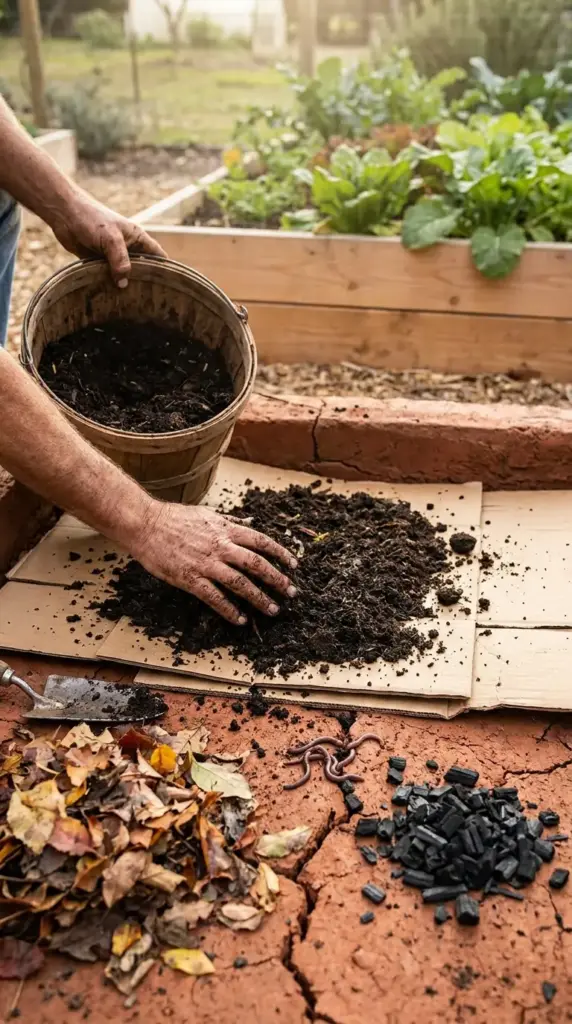
I remember dumping an entire bag of sand into my clay bed thinking it would “loosen things up.”
Spoiler: it made concrete. 😬 Please don’t do what I did.
The Role of Organic Matter: Compost, Aged Manure, and Leaf Mold
Organic matter is the single most important thing you can add to poor or clay soil. Full stop.
Compost introduces beneficial microbes and improves soil structure almost immediately. Aged manure adds a slow-release nitrogen boost that clay soil desperately needs.
Leaf mold — basically decomposed leaves — is underrated. It’s free, easy to make, and does wonders for water regulation and soil texture.
The No-Dig Method: Layer Without Tilling
Tilling clay soil can actually make compaction worse over time. I learned that the hard way.
The no-dig method works by layering organic amendments directly on top — think lasagna gardening. Cardboard base, then compost, then mulch.
Over time, worms and microbes do the tilling for you. Nature’s pretty smart like that.
Gypsum and Biochar: The Underdog Amendments
Gypsum (calcium sulfate) is a game-changer for breaking up heavy clay without changing your soil’s pH.
Apply about 10–15 lbs per 100 square feet and work it into the top few inches. You’ll notice improved drainage within one season.
Biochar is basically activated charcoal for soil — it creates tiny pockets that house beneficial microbes and improve aeration long-term.
Building Soil Biology: Worms and Microbes Are Everything
Healthy soil isn’t just dirt — it’s a living ecosystem.
Earthworms physically break up clay particles as they tunnel through. Adding worm castings to your beds is like giving your soil a probiotic shot.
Mycorrhizal fungi and beneficial bacteria improve nutrient absorption in ways no synthetic fertilizer can replicate.
How Long Does Real Improvement Actually Take?
Honestly? Plan for patience.
Most gardeners see noticeable improvement in one full growing season with consistent amendments. Significant structural change typically takes 2–3 years of no-dig layering and organic inputs.
Budget-Friendly DIY Amendment Options
- Free compost from municipal programs (most major cities offer it!)
- Collect neighbor’s bagged leaves every fall
- Start a kitchen scrap compost bin for under $20
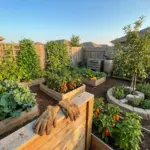
Next up, I’m revealing the raised bed setup that completely changed my mini farm game — including the exact soil mix ratio I swear by. You won’t want to skip it! 🌿

GIPHY App Key not set. Please check settings