

 The Home Growns
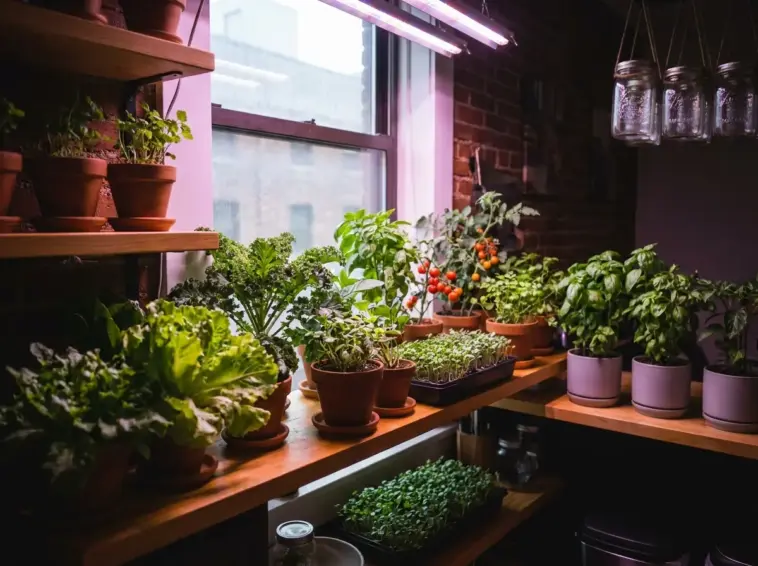
Did you know that over 80% of Americans live in urban areas — many with north-facing balconies, shaded patios, or tiny apartment gardens?
If you’ve ever looked at your dimly lit outdoor space and thought, “There’s no way I can grow anything here” — I’m here to tell you that you’re completely wrong! 🌿
Growing a mini farm with limited sunlight isn’t just possible, it’s actually one of the most rewarding DIY projects you can take on.
Whether you’re a busy mom in Chicago squeezing a container garden onto a shaded balcony, or a design-savvy New Yorker turning a dark rooftop corner into a lush edible oasis — this guide is for YOU.
We’re talking fresh herbs, leafy greens, and even vegetables, all thriving in low-light conditions.
Let’s dig in!
1. Understanding Low-Light Gardening and What “Limited Sunlight” Really Means
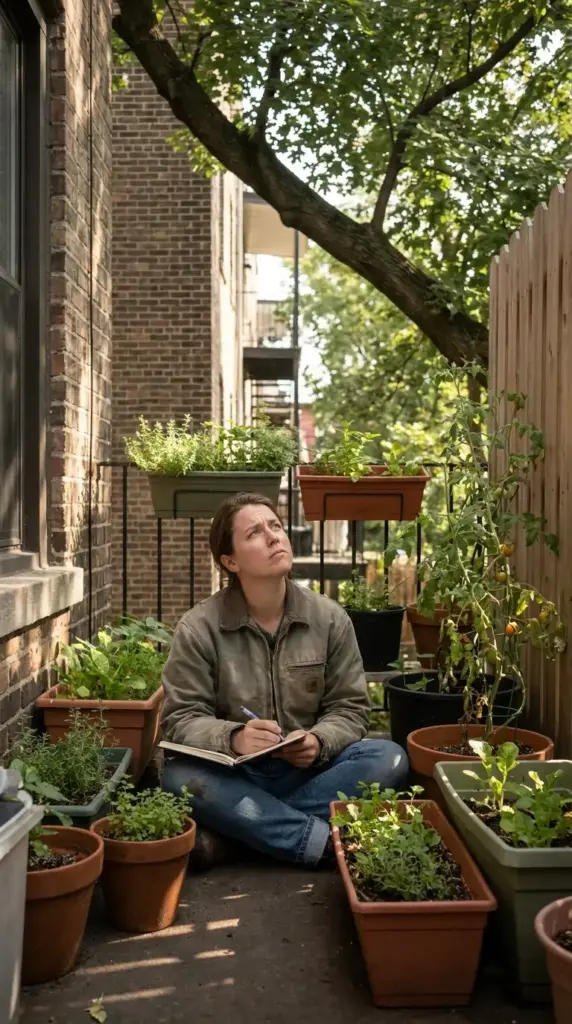
I’ll be honest — when I first started my little balcony garden, I had no idea what “partial shade” actually meant.
I just assumed my plants would figure it out. Spoiler: they did not.
What Full Sun, Partial Shade, and Full Shade Actually Mean
These terms get thrown around a lot, but here’s the simple breakdown:
Full sun = 6+ hours of direct sunlight daily.
Partial shade = 3 to 6 hours of sun, often with some afternoon protection.
Full shade = less than 3 hours of direct sun per day.
Most beginner gardeners assume their space gets more light than it actually does. Don’t make that mistake.
How to Honestly Assess Your Space
Grab a notebook — old school, I know — and track your space every hour from sunrise to sunset for one full day.
Note exactly where the sun hits and for how long. It’s tedious, but it’s worth it.
You’ll probably be surprised. I was. My “sunny” patio was getting maybe four hours of real direct light.
Direct vs. Indirect Sunlight — Yes, It Matters
Direct sunlight hits your plant straight from the sun, no filtering.
Indirect sunlight is bounced, diffused, or filtered — think light through a sheer curtain or reflected off a white wall.
Most shade-tolerant plants can work with indirect light, but fruiting plants like tomatoes? They need the real thing.
Apps and Tools That Actually Help
The Sun Seeker app is genuinely useful for tracking sun paths throughout the day.
Lux meters (cheap ones run about $15 on Amazon) measure actual light intensity in foot-candles — super helpful for indoor setups.
The Urban Gardening Reality Check
If you’re gardening in NYC, Chicago, Seattle, or any dense city, you’re already fighting an uphill battle.
Buildings block morning light. Fences cut off afternoon rays. Even trees — beautiful as they are — can steal hours of sunlight from your containers.
Shade from structures reduces photosynthesis, which slows growth and weakens plants over time. It’s just science.
The good news? Plenty of delicious crops actually prefer lower light conditions.
Speaking of which — hit that next button below, because you’re about to discover the best vegetables and herbs that genuinely thrive in your shady little mini farm. 🌿

GIPHY App Key not set. Please check settings