

 The Home Growns
7. Watering and Garden Care Routines for Shaded Mini Farms
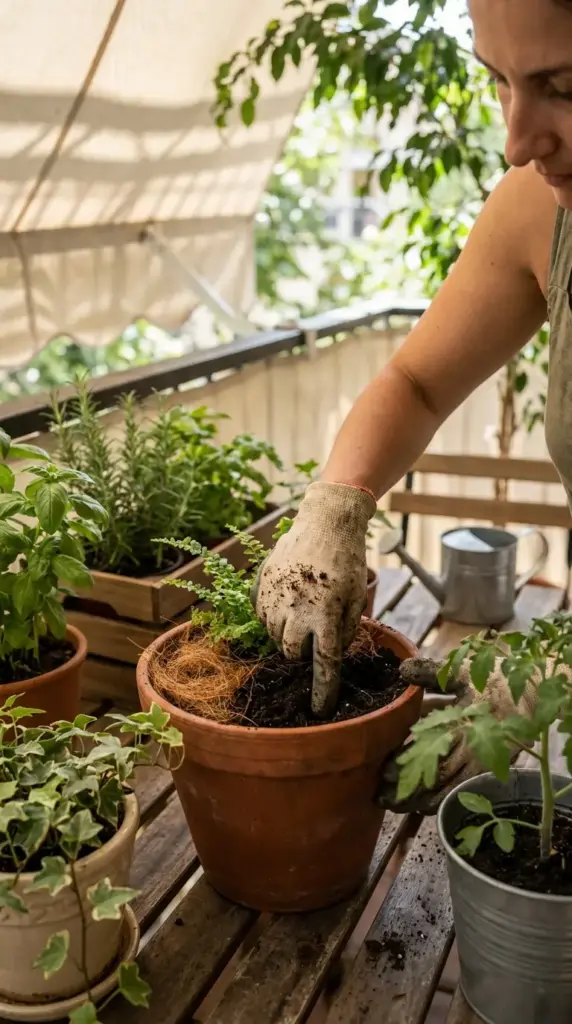
Can I confess something embarrassing? I overwatered my entire mini farm for a whole season before realizing what I was doing.
I thought I was being extra caring. Turns out, I was basically drowning my plants. 😅
Why Shaded Gardens Need Different Watering Schedules
Here’s the science in plain English: shaded soil dries out significantly slower than soil in full sun.
Less evaporation plus less heat equals moisture that lingers much longer than most beginners expect.
Watering on the same schedule as a sunny garden is one of the most common — and costly — mistakes in low-light gardening.
Signs of Overwatering vs. Underwatering
Overwatering signs: yellowing leaves, soggy soil, musty smell, and visible mold on the soil surface.
Underwatering signs: dry, pulling-away-from-pot soil, drooping leaves, and crispy brown leaf edges.
When in doubt, stick your finger two inches deep into the soil — if it’s still moist, put the watering can down and walk away.
Drip Irrigation and Self-Watering Systems
For busy moms and working women juggling approximately seventeen things at once — drip irrigation is an absolute lifesaver.
Drip systems deliver water slowly and directly to roots, eliminating both overwatering and underwatering almost entirely.
The Raindrip Automatic Watering Kit runs around $30 and works beautifully for container mini farms on balconies and patios.
Mulching Techniques for Container Gardens
Mulching isn’t just for traditional garden beds — it works wonderfully in containers too.
A thin layer of coco coir, straw, or wood chips on top of your potting mix retains moisture significantly longer between waterings.
In shaded environments, this simple trick can reduce your watering frequency by nearly half. Genuinely worth doing.
Seasonal Garden Care Checklist
Spring: refresh potting mix, check drainage holes, restart fertilizing schedule.
Summer: monitor moisture closely during heat waves, watch for pest activity.
Fall: reduce watering and feeding, begin transitioning to cold-hardy crops.
Winter: protect containers from freezing temperatures using burlap wraps or moving pots indoors.
Pest and Disease Management in Shaded Gardens
Shaded, humid environments are unfortunately prime real estate for slugs, fungus gnats, and powdery mildew.
Neem oil spray applied every two weeks works brilliantly as an organic preventative treatment.
Improve air circulation between plants — spacing matters more than most people realize in humid, low-light conditions.
Up next, we’re shifting gears into something really fun — how to make your mini farm look so gorgeous it doubles as stunning home décor. 🌿✨


GIPHY App Key not set. Please check settings