
 The Home Growns
10. Community Resources, Apps, and Tools to Help Your Mini Farm Thrive
Here’s something I wish someone had told me at the very beginning: you don’t have to figure this out alone.
The gardening community is honestly one of the warmest, most generous corners of the internet. 🌱
Best Gardening Apps for 2026
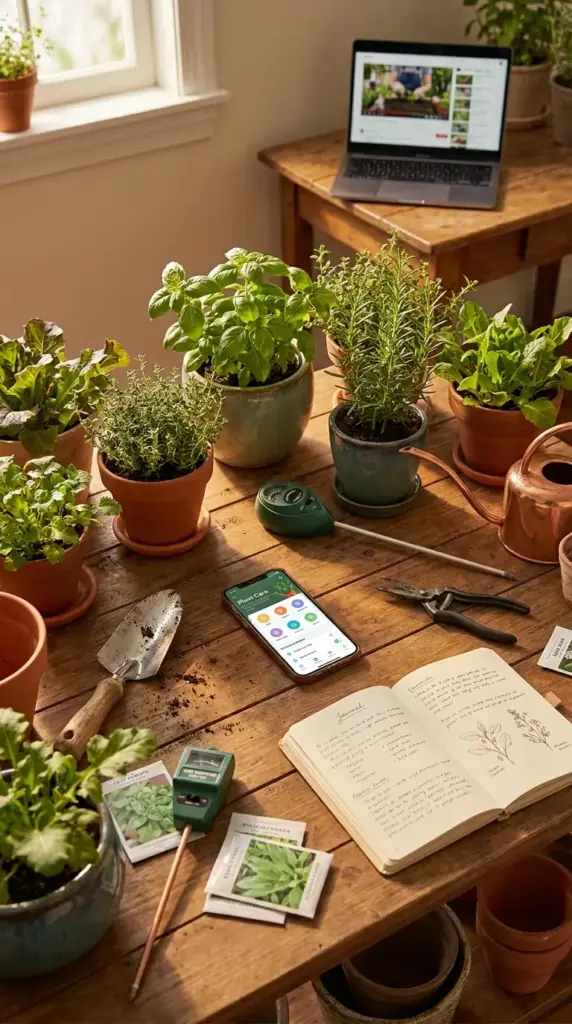
Planta is my absolute ride-or-die gardening app — it tracks watering schedules, diagnoses plant problems, and sends you helpful reminders when your plants need attention.
Garden Answers uses AI-powered photo recognition to identify plants and diagnose issues almost instantly — genuinely impressive technology.
Sun Seeker remains the gold standard for tracking sunlight patterns throughout your specific space across every season.
Online Communities for Urban and Low-Light Gardeners
Reddit’s r/vegetablegardening and r/urbangardening communities are incredibly active, supportive, and refreshingly judgment-free.
Facebook Groups like “Small Space Gardening” and “Urban Homesteaders” connect you with thousands of like-minded women sharing real tips, real failures, and real triumphs daily.
Pinterest remains undefeated for visual inspiration — search “low-light container garden” and prepare to lose approximately two hours. 😄
Local Workshops and Events Worth Attending
Washington DC gardeners should absolutely explore the US Botanic Garden’s free workshops and seasonal planting events.
In Philadelphia, the Pennsylvania Horticultural Society runs incredible beginner-friendly gardening programs throughout the year.
Dallas residents have access to the Dallas Arboretum’s outstanding urban gardening classes — genuinely worth every minute.
YouTube Channels, Blogs, and Podcasts
Epic Tomatoes and Self Sufficient Me on YouTube offer practical, no-nonsense small-space gardening advice that’s actually applicable to real life.
The “Roots and Refuge Farm” YouTube channel is warm, authentic, and deeply inspiring — perfect for the gardener who wants community alongside practical knowledge.
For podcasts, “The Joe Gardener Show” covers everything from soil health to urban farming with refreshing depth and accessibility.
Must-Have Tools for Beginner Mini Farmers
Keep it simple starting out:
A quality hand trowel, pruning snips, and a watering can with a narrow spout cover about 90% of your daily gardening needs.
Soil moisture meters ($10 to $15 on Amazon) eliminate all guesswork around watering — especially valuable in shaded container gardens.
Connecting with Farmers Markets and Community Gardens
Local farmers markets are incredible sources for heirloom seeds, organic seedlings, and genuine expert advice from experienced growers.
Community gardens in cities like Dallas, Philadelphia, and Washington DC often offer free plot rentals, seed libraries, and mentorship programs specifically designed for beginners.
Don’t underestimate the power of simply showing up, introducing yourself, and asking questions — experienced gardeners love sharing what they know.
Conclusion
Growing a thriving mini farm with limited sunlight is 100% within your reach — and honestly, it might just become your favorite hobby! 🌱
From choosing the right shade-tolerant plants to designing a space that’s as gorgeous as it is functional, every step of this journey is an opportunity to create something truly special.
Whether you’re growing fresh herbs for your kitchen, building a beautiful balcony garden, or teaching your little ones where food comes from, your mini farm is more than just plants — it’s a lifestyle.
Start small. Start today. Pick one or two ideas from this guide and just go for it. Your shady little corner of the world is about to become the most vibrant spot in your home.
And trust me — once you taste that first homegrown salad, there’s no going back! 🥗✨

GIPHY App Key not set. Please check settings