

 The Home Growns
Seasonal Timing: When to Plant for the Best Success
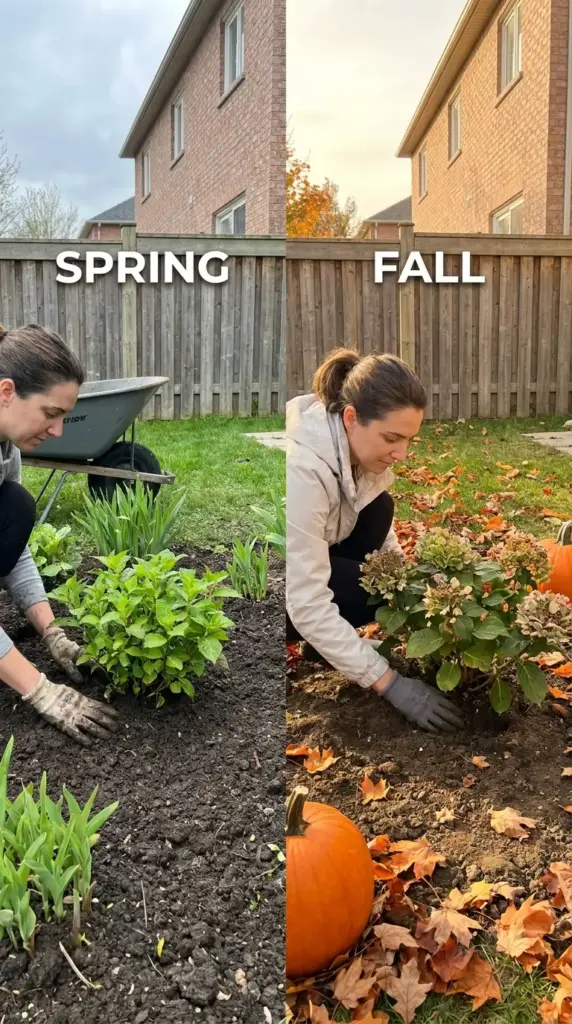
Spring Planting Has Clear Pros
Spring planting gives hydrangeas time to root in before summer heat arrives. It’s especially helpful in colder USDA hardiness zones, where fall can close in fast.
The downside is wet spring soil. If your site is already soggy, you may need to wait until the ground is workable instead of rushing it.
Fall Planting Can Be Fantastic
Fall planting often works beautifully because soil is still warm while air temperatures are cooler. That helps roots establish with less stress on the top growth.
I love fall planting for many shrubs, but only if the bed drains well and there’s enough time before hard freeze.
Avoid Extreme Weather Windows
Don’t plant during a heat wave, and don’t plant into a waterlogged bed after a week of storms if you can help it. Setting up a shrub during weather extremes is like starting a road trip with a flat tire.
Hydrangeas are tough, but they’re not miracle workers.
Let Your Region Guide You
Gardeners in the Northeast or Midwest may battle soggy springs. Gardeners in Dallas-Fort Worth or Atlanta may need to focus on heat stress after planting, even while improving drainage.
And now that the seasonal piece is clear, hit the next button below for the fast beginner checklist that pulls this whole method together.


GIPHY App Key not set. Please check settings