

 The Home Growns
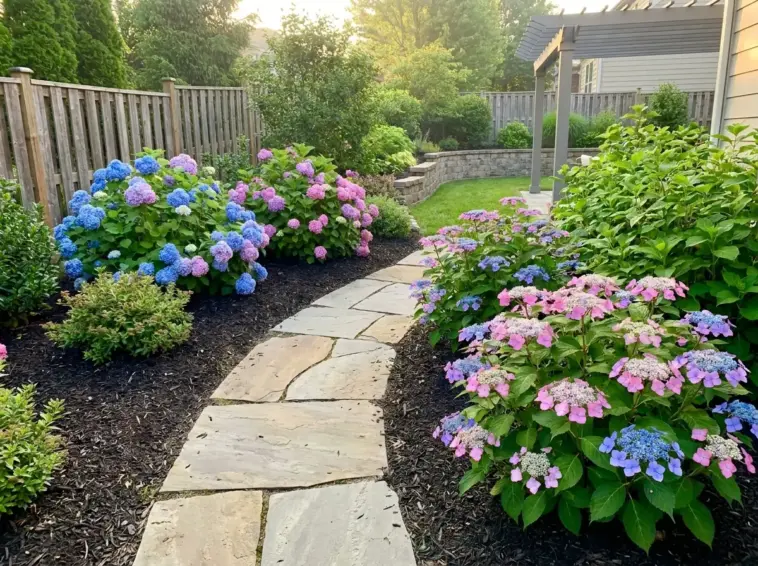
If you’ve ever stood in the garden center staring at a mophead hydrangea and a lacecap hydrangea like they were asking you to pick a favorite child, same.
I’ve done that whole slow cart-push thing, pretending I’m “just browsing,” while secretly overthinking bloom shape, pruning, and whether the plant will survive my weird side yard.
The good news is this: both are beautiful, and both can thrive if you match them to the right spot.
The trick is figuring out whether you want bold flower power, softer texture, better pollinator-friendly hydrangea value, or a mix of all three.
Meet the Two Bloom Types at a Glance
They’re Cousins, Not Totally Different Plants
Both mophead and lacecap hydrangeas are forms of Hydrangea macrophylla, also called bigleaf hydrangea. That means their basic care is often pretty similar, even if their flowers look wildly different.
I think that surprises people a lot. They assume one is “easy” and one is “fussy,” but honestly, the bigger difference is the vibe they bring to the garden.
What a Mophead Looks Like
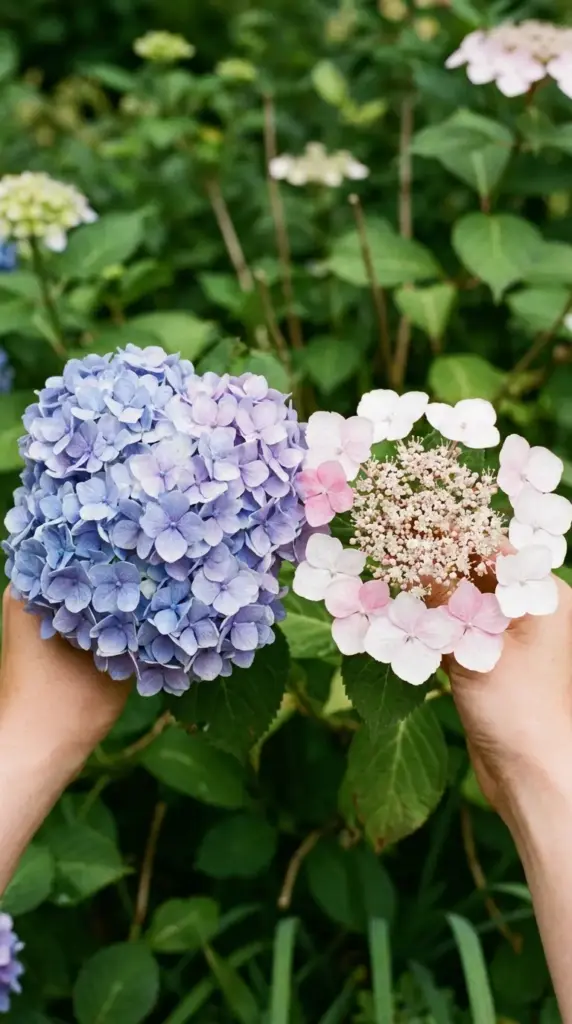
A mophead hydrangea has those big, rounded flower clusters that look full and fluffy from across the yard. If you want that classic “wow” moment in a foundation planting, this is usually the one people fall for first.
I get it, too. Mopheads are kind of the extroverts of the summer flowering shrubs world.
What a Lacecap Looks Like
A lacecap hydrangea has a flatter bloom with tiny fertile flowers in the center and showier florets around the edge. Up close, it’s more detailed, airy, and honestly a little more elegant.
The first time I really noticed the center structure, I had that annoying teacher moment where I wanted to call everyone over and say, “Look closely, this is the good part.” Hit the next button below, because now that you know the basic difference, the next section shows why mopheads create such a strong visual punch.


GIPHY App Key not set. Please check settings