

 The Home Growns
Gates are where “budget” builds often fall apart
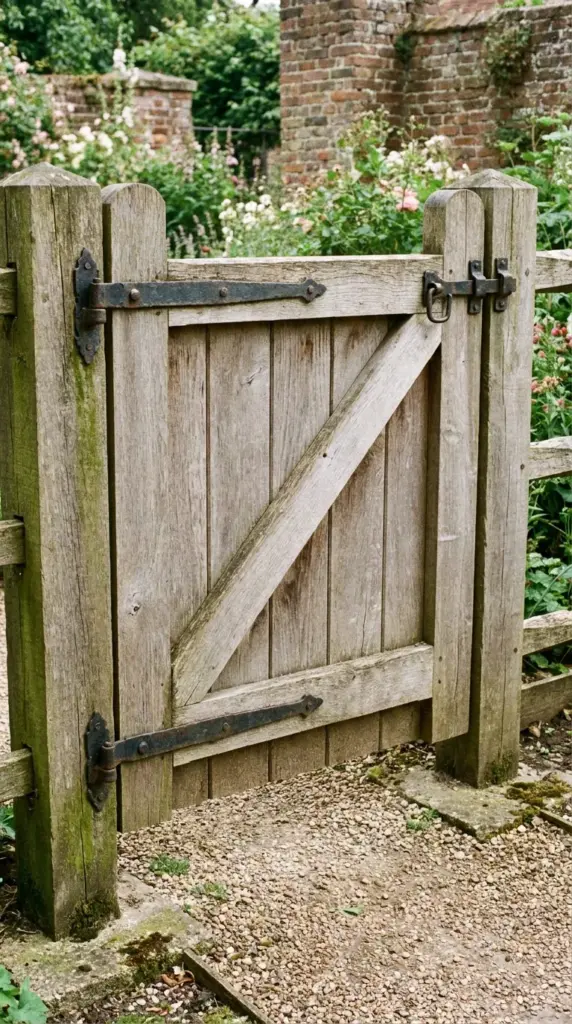
Gates need their own plan
I wish more people treated gates like a separate mini-project.
A gate has moving parts, weight, stress, clearance needs, and alignment issues that regular fence sections just do not have.
If the opening is off even a little, the problem shows up fast.
And once a gate starts dragging, it rarely fixes itself out of kindness.
Why gates sag and fail
Most sagging comes down to weak posts, bad framing, undersized hardware, or poor layout.
Good gate sag prevention starts with sturdy gate posts, proper bracing, quality hinges, and enough room for seasonal movement.
Latch placement matters too.
So does ground clearance.
That cute gate you drew on a notepad has to survive mud, swelling wood, kids slamming it, and maybe a labradoodle body-checking it at full speed.
Budget for the gate honestly
A lot of fence budgets pretend the gate is just a simple add-on.
It’s not.
A wide double gate, custom latch, or specialty hardware can add way more than people expect, and it should be priced early, not as an afterthought.
If you build one thing a little heavier-duty than planned, make it the gate.
Now the last big question: should you DIY this at all? Hit the next button below, because knowing when to call a pro can actually be the smartest budget move of the whole project.


GIPHY App Key not set. Please check settings