

 The Home Growns
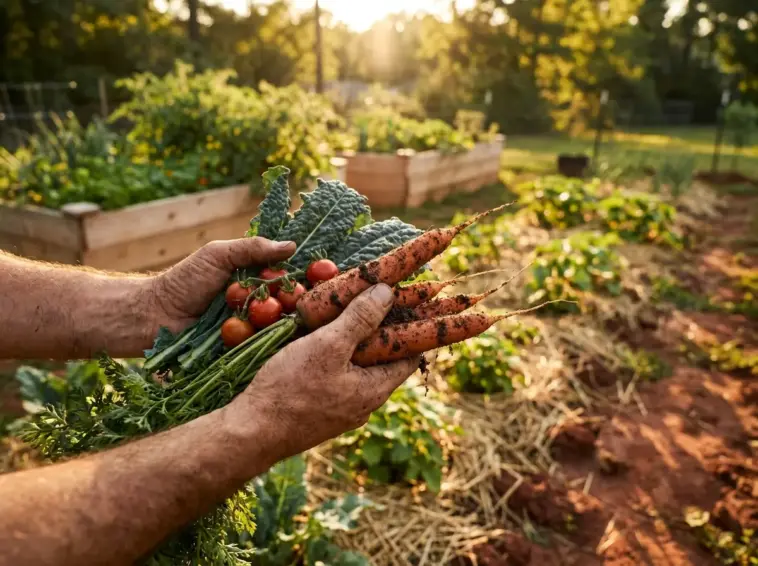
Did you know that nearly 70% of American homeowners are sitting on clay-heavy or nutrient-depleted soil — and most of them have no idea their dream garden is still 100% possible?
I’ve been there. Staring at cracked, compacted earth wondering if anything could ever grow. But here’s the truth: poor soil isn’t a dead end — it’s just a starting point.
Whether you’re working with a tiny backyard in Chicago, a patio in Los Angeles, or a small plot in Atlanta, you can build a thriving organic mini farm from the ground up.
Literally. In this guide, we’re breaking down everything you need to know — from soil science to raised beds to the best crops that actually love a challenge.
Let’s dig in! 🌱
Understanding Your Soil: What “Poor” or Clay Soil Really Means
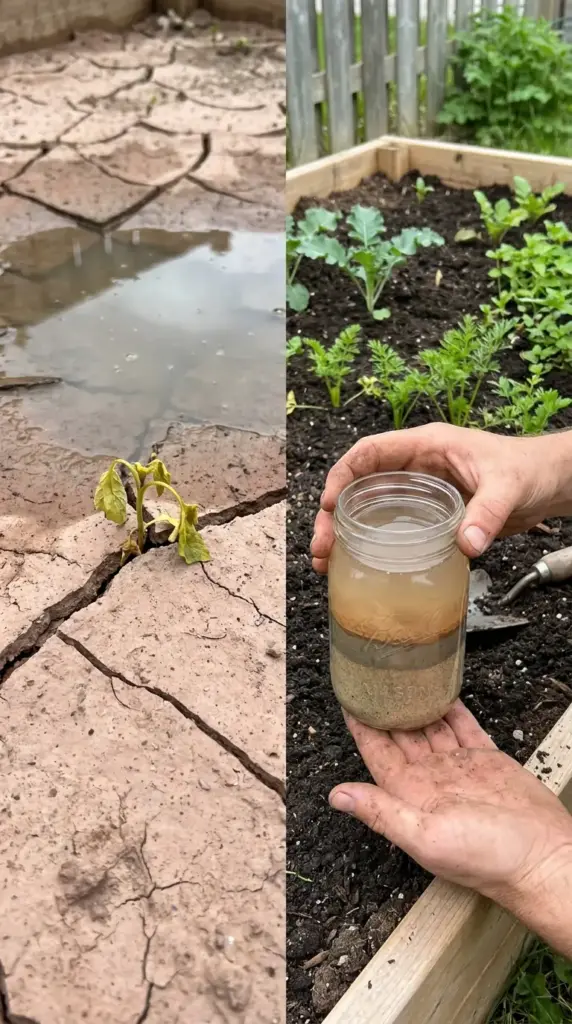
I’ll be honest — when I first started gardening, I thought soil was just… dirt. 😅 Boy, was I wrong.
After watching my first round of seedlings drown in a puddle that used to be my garden bed, I knew I had to figure out what was actually going on beneath my feet.
Why Clay Soil Behaves the Way It Does
Clay soil is made up of super fine, tightly packed particles that stick together like wet cement.
That’s why it gets so compacted — and why water just sits on top instead of draining through.
The result? Waterlogging, poor aeration, and roots that literally suffocate. Not great for growing anything, let alone an organic mini farm.
Signs Your Soil Is in Trouble
Here’s what poor or clay-heavy soil usually looks like:
- Cracks on the surface when dry
- Water pooling after rain (even light rain)
- Hard, almost brick-like texture when you dig
- Stunted plant growth despite regular watering
If your soil smells a little sour or musty, that’s another red flag — it means anaerobic bacteria are taking over. Been there.
Simple At-Home Soil Tests You Can Do Right Now
You don’t need a fancy lab. Seriously.
The jar test is my favorite: fill a mason jar with soil and water, shake it, and let it settle for 24 hours. You’ll actually see the layers — sand sinks first, then silt, then clay floats on top.
For pH, a basic test kit from any garden center runs about $10–$15 and tells you if your soil is too acidic or alkaline for vegetables.
Clay Soil’s Hidden Superpower
Here’s something nobody tells beginners — clay soil holds nutrients and moisture better than sandy soil.
Once you amend it properly, it can actually become incredibly fertile and productive. It just needs some help getting there.
Urban Soil Is a Different Beast
If you’re gardening in New York, Detroit, or Philadelphia, your soil has likely been compacted for decades under concrete, foot traffic, and construction.
Urban soils often contain heavy metals and low organic matter, so testing before you plant anything edible is genuinely important.
Hit that next button below — because in the next section, I’m sharing the exact organic amendments I used to completely transform my clay soil, and the results honestly surprised me. 🌱

GIPHY App Key not set. Please check settings