

 The Home Growns
Curved Serpentine Brick Edging
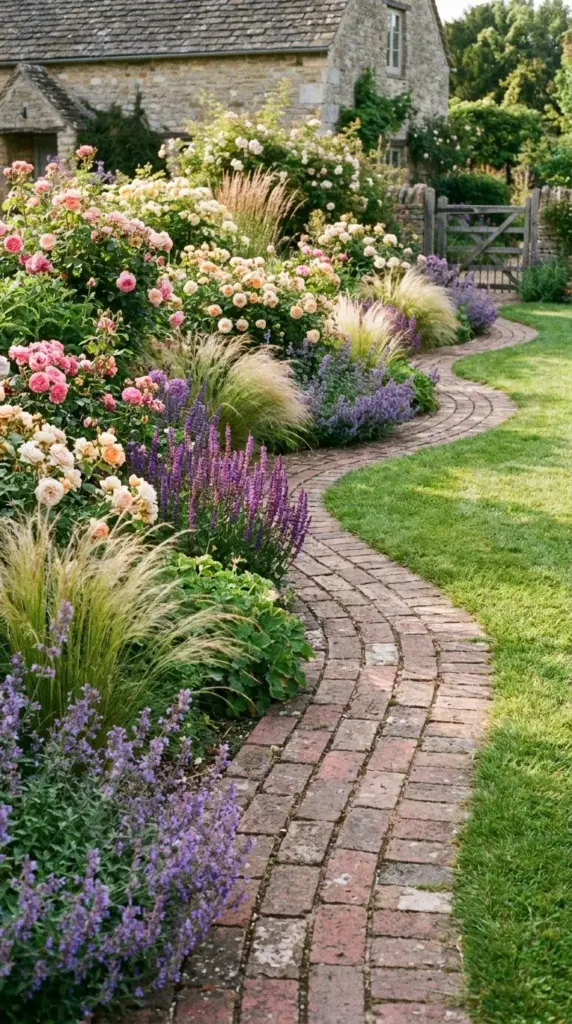
Why curves feel so inviting
Curved brick edging softens a garden instantly. A serpentine line feels natural, romantic, and a little less formal than straight-edged borders.
It’s a great trick for making a plain yard feel more designed. Curves guide the eye without shouting about it.
Where it fits best
This style works beautifully around informal lawns, mixed perennial beds, patios, and layered cottage borders. It’s especially helpful in gardens that already have lots of movement in the planting.
For landscape curb appeal, curves can also make a front yard feel more welcoming. They draw people through the space in a very gentle way.
Tricks for laying curves
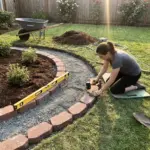
Use a hose or rope to map the line before digging. That’s much easier than guessing the curve and realizing later it looks oddly lumpy.
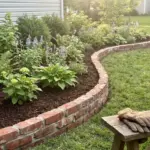
Standard bricks usually handle curves better than oversized pavers. A tiny bit of joint adjustment on the outer edge can help the line stay smooth.
Plants that love this look
Serpentine edging pairs beautifully with salvia, roses, catmint, grasses, and airy annuals. It’s ideal for a softer garden border design that still needs definition.
If you like a more subtle border that almost disappears into the planting, the next style does that job quietly and well, so hit the next button below.

GIPHY App Key not set. Please check settings