

 The Home Growns

I’m gonna say the quiet part out loud: most brick lawn edging fails because it’s installed like decor, not like hardscape.
I’ve made this mistake myself, too. Years ago, I laid a cute little brick garden border on top of soft soil, stepped back feeling very smug, and by spring it looked like a row of crooked teeth.
What the Deep-Set Brick Rule Actually Means

It’s not just brick sitting on dirt
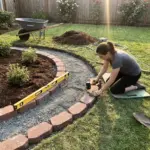
The deep-set brick rule means your edging should sit in a real trench, not in a shallow scrape across fluffy topsoil.
In plain English, the bricks need to be anchored below the loose organic layer and supported by a compacted paver base. That’s what makes them act like a border instead of a temporary prop.
The real goal is stability
A proper deep-set brick edging system usually includes a trench deep enough to reach firmer soil, plus a crushed stone base and a leveling layer.
That structure matters because topsoil shifts. It swells when wet, shrinks when dry, and gets messy fast under mower traffic and foot traffic.
Flush matters more than fancy
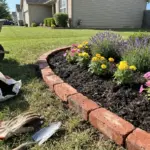
The best-looking edge is usually flush-to-grade edging. That means the top of the brick sits even with the lawn or just barely proud of it.
This makes the border mower-friendly, cleaner-looking, and less likely to get chipped by wheels or scalp marks from the mower deck.
Why this rule changes everything
When gardeners hear “brick edging,” they often picture the brick itself as the solution. It’s actually the base prep and trench depth doing most of the work.
That one mindset shift can save you a full rebuild later. In the next section, I’m getting into the exact shortcuts that wreck otherwise pretty borders, so hit the next button below.

GIPHY App Key not set. Please check settings