

 The Home Growns
My Privacy Goals: What I Actually Needed This Wall to Do
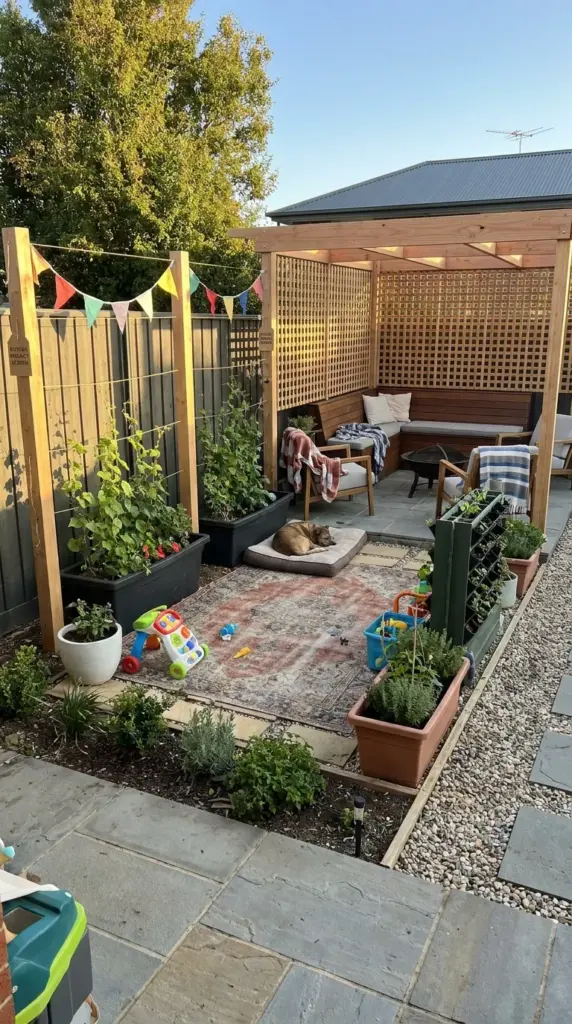
I wanted privacy where we actually used the yard
I didn’t need the whole perimeter screened. I needed privacy around my seating area, near the patio edge, and around one side where neighbors had a straight sightline in.
That narrowed the project a lot. Instead of building a full hedge alternative, I focused on a targeted garden zoning with plants approach.
Blocking views was the top goal
For me, visual privacy came first. Noise reduction was a bonus, but I wasn’t expecting a miracle from plants alone.
A dense vertical garden privacy setup can soften sound a bit, especially when layered with shrubs. But if you’ve got major street noise, a living wall helps more with mood than with full acoustic control.
Height and density had to be realistic
I wanted around 6 to 7 feet of screening in the main patio zone. But I didn’t need every inch to be solid.
That was a huge mindset shift. A little filtered privacy often feels nicer than a totally closed wall.
Pretty wasn’t enough
If the wall looked gorgeous but needed daily fussing, I knew I’d resent it. I needed low-maintenance living wall choices that could survive normal life, not fantasy-garden life.
That meant sturdy supports, forgiving plants, and a watering plan I could actually keep up with. Once I got honest about that, choosing the structure became way easier, so hit the next button below.

GIPHY App Key not set. Please check settings