

 The Home Growns
Mistake 11: Ignoring Early Fungal Signs and Allowing Pathogens to Overwinter
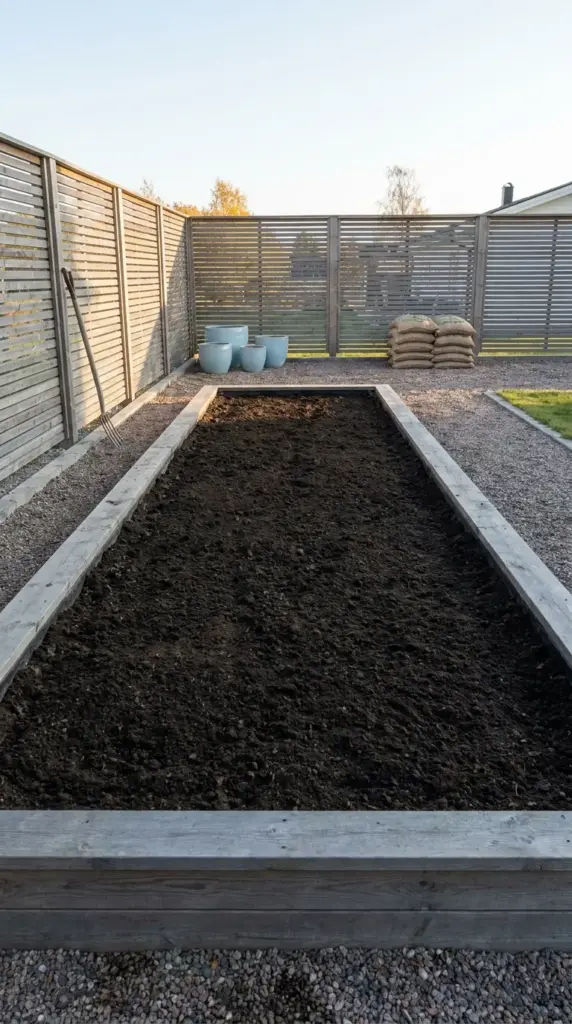
I’ll never forget the year I left a whole row of moldy, dead zinnia stalks out in my garden bed all winter long. I honestly thought I was being a lazy genius by letting nature “compost” them right in place for the next season.
Instead, I accidentally created a massive winter resort for nasty plant diseases. My entire crop the following spring got hit with ugly spots before they even grew a foot tall!
The Danger of Waiting Until Disease Takes Over
If you see a few tiny gray or brown spots on your lower zinnia leaves, you need to act immediately instead of waiting for it to clear up on its own. Fungal issues like powdery mildew zinnias or alternaria leaf spot spread like absolute wildfire when the summer humidity spikes.
By the time the fungus blankets the entire patch, it is usually too late to save your flower yield because the plants are totally exhausted. Walking your rows every morning to snip off any sketchy-looking leaves is the easiest way to practice proactive zinnia care.
End-of-Season Bed Cleanup and Crop Rotation
When the first hard frost finally hits, you have to completely pull those old plants up by the roots and toss them in the trash. Never, ever put diseased zinnia debris into your backyard compost pile because most home setups don’t get hot enough to kill off those stubborn spores.
To keep your dirt completely clean, you should always practice smart crop rotation flowers by planting your zinnias in a totally different bed the following spring. This simple switch starves out any hidden, overwintering pathogens before they can ruin your next big harvest.
And honestly, keeping your beds clean and healthy is the ultimate final puzzle piece to unlocking an endless supply of blooms, so hit that next button below because we are wrapping everything up with a quick summary and a friendly game plan to get your dream backyard cutting garden thriving.

GIPHY App Key not set. Please check settings