

 The Home Growns
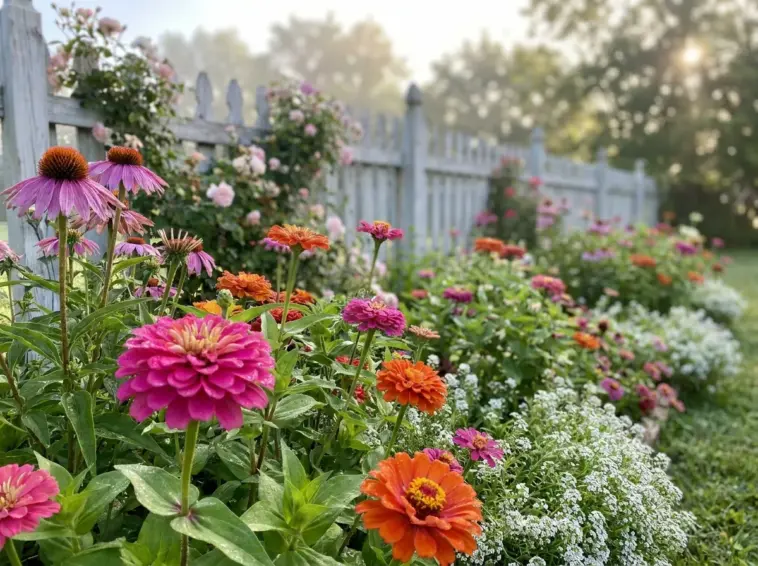
I still remember the summer of ’21 when my backyard looked more like a sad, quiet concrete jungle than a thriving ecosystem. I had planted a massive row of gorgeous Dreamland Zinnias, expecting a literal parade of butterflies, but instead, I got total radio silence.
It turns out I was making the classic rookie mistake of throwing a solo party instead of inviting a whole neighborhood. According to recent garden ecology data, mixed pollinator beds see up to a 40% increase in beneficial insect visits compared to single-species plantings.
That painful, quiet summer taught me that biodiversity isn’t just a fancy buzzword; it’s the secret sauce to a garden that hums with life. Once I started mixing in specific colors, textures, and scents, my zinnia patches transformed overnight into the wildest, most chaotic pollinator block parties you’ve ever seen.
Purple Coneflower (Echinacea purpurea)
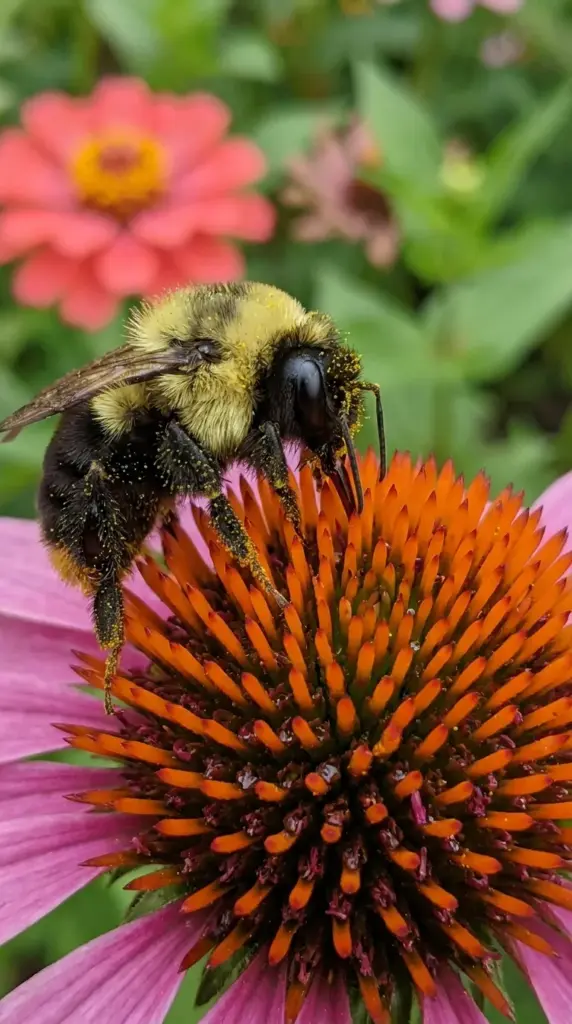
I’ll never forget the summer I planted a massive row of zinnias right next to a patch of purple coneflowers by total accident. I had just run out of space in my main garden bed and shoved them into the dirt, figuring they’d look a bit messy together.
Instead, it turned out to be the most gorgeous mistake I’ve ever made in my yard. The bumblebees literally lost their minds, bouncing back and forth between the two blooms like kids in a candy shop.
The Power of Structural Contrast
When you look at a standard zinnia, you’re getting a beautiful, flat-faced landing pad that butterflies absolutely love. But when you mix in the dramatic, drooping petals and raised central cones of the purple coneflower, it completely changes the visual dynamic of your landscape.
This structural contrast isn’t just eye candy for you; it creates a multi-dimensional target for beneficial insects. The sturdy cones give heavier native bees a solid place to grip while they drink nectar, making your garden the most efficient pit stop on the block.
Perennial Stability Meets Annual Showstoppers
Zinnias are incredible, but as annuals, they have to start from scratch every single spring, which can leave your soil looking a little bare early in the season. That is exactly where the tough-as-nails Echinacea purpurea comes in to save the day.
Because coneflowers are hardy perennials, they establish deep, permanent root systems that anchor the entire flower bed year after year. They love baking in the same intense, unfiltered summer sun as your zinnias, meaning you won’t have to fuss with different watering zones or complicated fertilizer routines.
I am absolutely obsessed with how these two look together against a fence line, so let’s keep this momentum going and talk about a companion that acts like a security guard for your stems. Go ahead and hit that next button below so we can dive into a classic, fiery favorite!

GIPHY App Key not set. Please check settings