

 The Home Growns
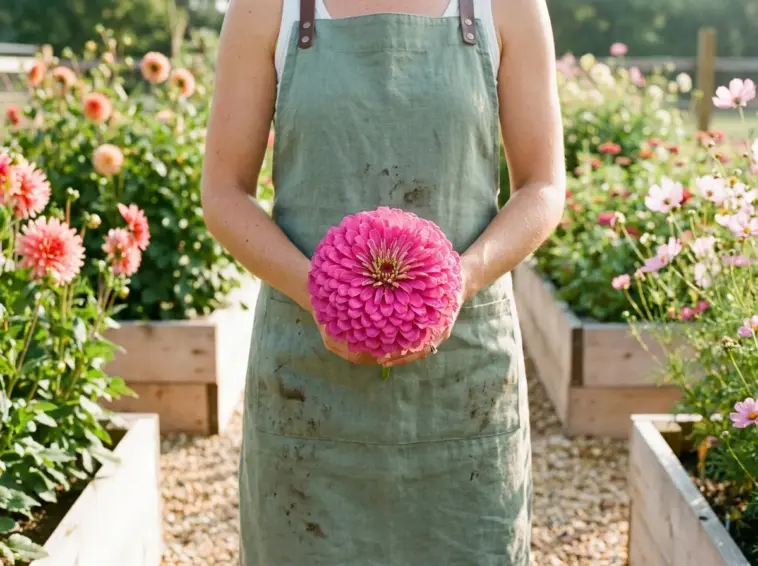
Let’s be completely honest for a second. We’ve all bought those cheap little seed packets, tossed them in the dirt, and ended up with spindly, sad flowers that look like they’re throwing a pity party.
I used to do the exact same thing every single spring until I finally unlocked the actual science of show-stopping color and scale.
There is nothing quite like the stark contrast between a washed-out, leggy backyard zinnia and a magnificent, dinner-plate-sized prize bloom that literally stops people in their tracks.
If you want those massive, jaw-dropping flowers that look like they belong in a high-end boutique wedding arrangement, you can’t just rely on good luck and basic tap water.
Your zinnia garden bed needs a very specific menu of vitamins to fuel that kind of explosive, structural growth.
Today, we are diving deep into the exact 9 essential nutrients your soil needs to produce those legendary, heavy-headed giants.
1. Nitrogen: Fueling Lush Green Canopy and Early Growth
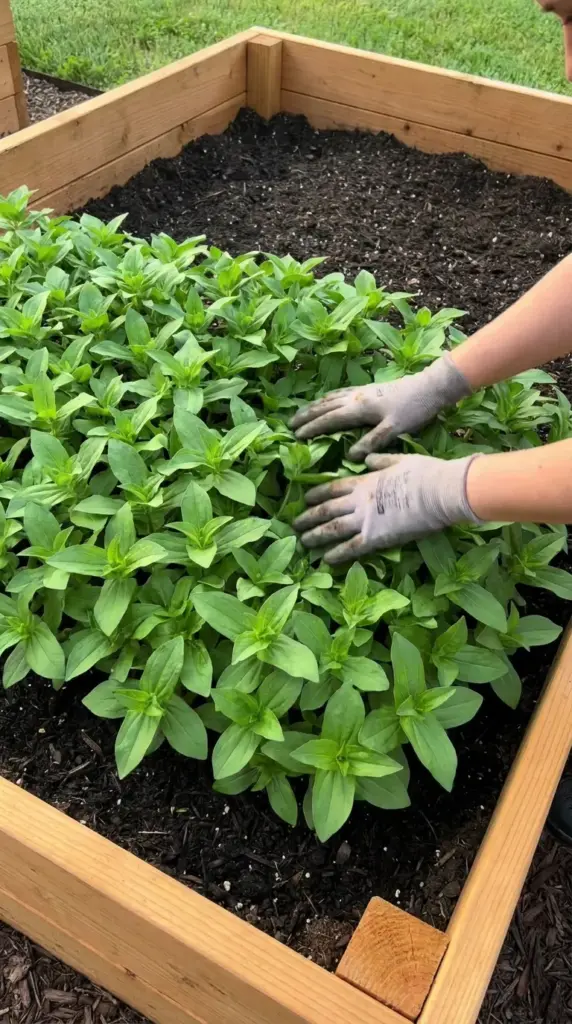
I’ll never forget my second summer trying to grow Benary’s Giant zinnias in my backyard. I completely skipped any early-season feeding because I thought my basic soil was doing all the heavy lifting.
Man, was I wrong. My plants ended up looking like spindly, pale-yellow toothpicks with tiny, pathetic flowers that looked more like weeds than prize blooms.
Why Foliage Comes First
That painful failure taught me that nitrogen for flowers is the absolute bedrock of early vegetative growth. Think of nitrogen as the primary fuel source for a lush, deep-green foliage canopy.
Without a massive, healthy set of leaves, your zinnias can’t absorb enough sunlight to create energy through photosynthesis. Basically, a weak plant canopy means your flowers will never have the strength required to reach giant sizes.
Fueling Your Soil Bed Safely
To fix this, you want to focus on high-nitrogen organic fertilizer choices during the first four weeks after planting your seeds or seedlings. I highly recommend using a slow-release amendment like blood meal nitrogen or a simple liquid fish emulsion spray.
For a perfect NPK ratio for annuals early on, look for a mix where the first number is slightly higher, like a 5-1-1 liquid feed. Just don’t overdo it later in the season, or you’ll get all leaves and absolutely zero flower buds!
And yep, getting that gorgeous green canopy set up is the perfect first step, so go ahead and reply with ‘Next’ below because we need to talk about the secret underground anchor that actually triggers those massive floral buds.



GIPHY App Key not set. Please check settings