

 The Home Growns
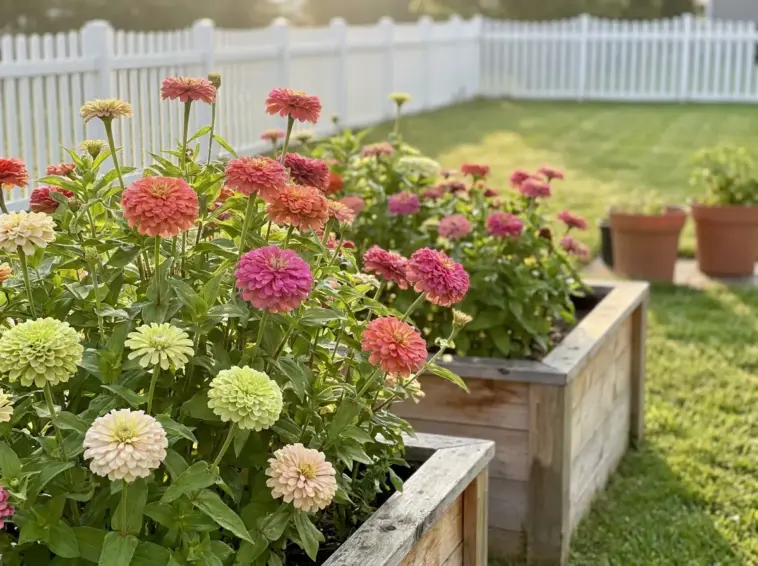
Let’s be honest for a second. We’ve all been told that growing zinnias is the easiest thing in the garden world, right?
They are always labeled as the ultimate “foolproof” annual for beginners. But a few silent garden bed blunders can secretly slash your bouquet yield by up to 60% before mid-summer even hits.
I learned this the hard way a few seasons back when my own backyard patch turned into a crunchy, moldy disaster. It totally broke my heart to see my dream of endless, vibrant kitchen table arrangements vanish because of simple, avoidable mistakes.
Zinnias truly have the potential to be an absolute powerhouse cutting garden if you give them the right foundation. The secret to unlocking those massive, non-stop blooms is simply knowing what not to do.
Today, we are diving deep into the exact tactical adjustments you need to make to maximize your zinnia garden beds. Let’s fix these hidden blunders together so you can harvest gorgeous, heavy-headed blooms all season long.
Mistake 1: Overhead Watering That Invites Powdery Mildew
I used to love winding down after a long day by waving my garden hose over the top of my flower patch, thinking I was giving my plants a refreshing shower. Man, was I wrong—within a couple of weeks, my once-vibrant green leaves looked like they’d been heavily blasted with powdered sugar.
The Nighttime Moisture Trap for Fungal Spores
When you spray water directly over the foliage late in the day, that moisture just sits on the leaves all night long. This creates the absolute perfect, humid breeding ground for powdery mildew zinnias, which quickly suffocates your plants.
Fungal spores absolutely thrive in these damp, stagnant nighttime conditions. Before you know it, your cut and come again flowers will stop producing new buds entirely because they are wasting all their energy trying to survive the rot.
Switching to Drip Irrigation and Soil-Level Soaking
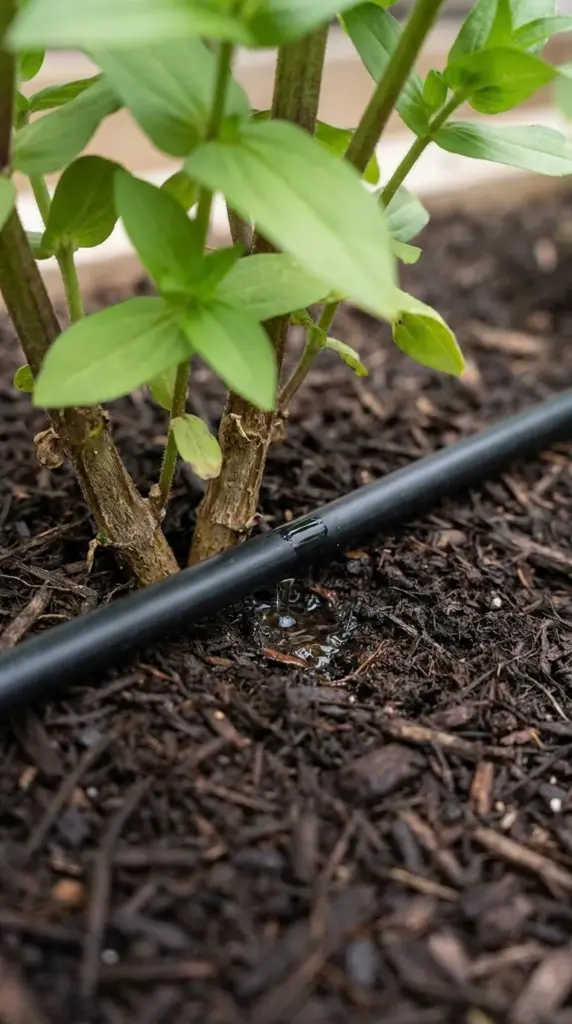
To fix this, you need to keep the leaves completely dry by watering right at the base of the plant. Setting up a simple drip irrigation flowers system or using a cheap soaker hose makes a massive difference for zinnia care.
If you don’t have a drip system, just use a watering wand on a low setting and guide it directly to the dirt early in the morning. This gives any accidental splashes plenty of time to evaporate during the day, keeping your summer bloomers clean and thriving.
Honestly, fixing my watering routine was a massive win for my patch, but my plants still struggled at first because my backyard dirt was basically like concrete. Go ahead and hit that next button below so we can tackle the absolute nightmare of heavy clay soil.

GIPHY App Key not set. Please check settings