

 The Home Growns
How to Snippet Like a Pro: Taking the Perfect Rosemary Cutting
I remember hacking off a giant, woody chunk from my neighbor’s ancient rosemary bush with dull kitchen scissors, thinking a thick branch would grow way faster. It rotted into a smelly, fuzzy stick within days, and I felt so incredibly guilty for damaging her favorite plant.
That classic rookie mistake taught me that picking the right part of the mother plant makes or breaks your success.
Finding the Sweet Spot on the Stem
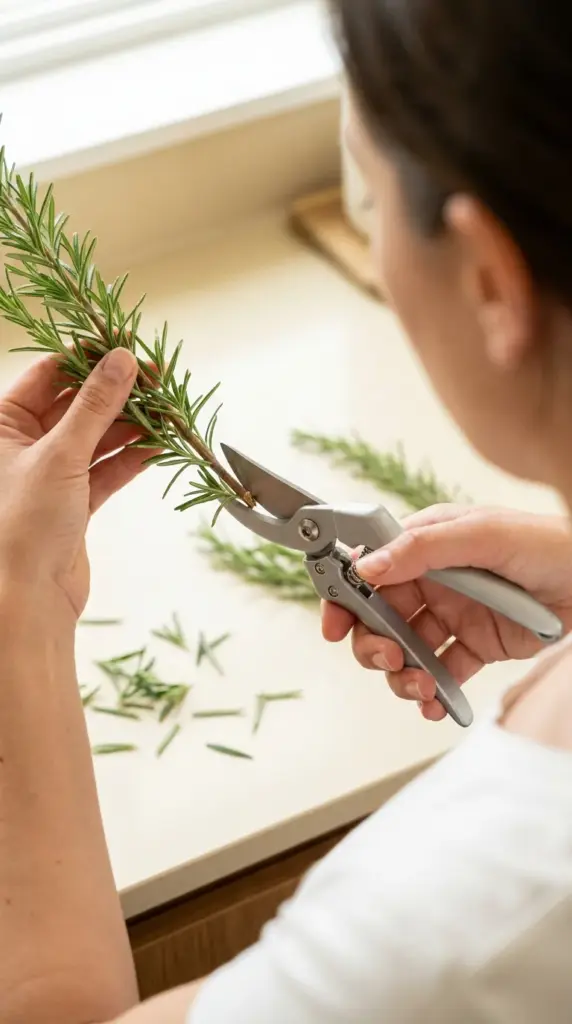
You want to target what gardeners call semi-hardwood cuttings, which are stems that are bright green at the tip but slightly brown and firm at the bottom. Avoid the super hard, woody base because it takes a total eternity to grow roots, and skip the floppy new growth because it wilts instantly.
Look for a healthy, pest-free branch that looks vibrant and full of energy.
The Perfect Anatomical Slice
Grab a sharp pair of pruning shears and wipe them down with rubbing alcohol to prevent any nasty bacterial infections. Snip a 4-to-6-inch piece at a sharp angle right below a plant node, which is just the fancy term for the little bump where leaves pop out.
Gently strip the leaves off the bottom two inches of the cutting. This forces the stem to put all its energy into root development rather than keeping those bottom leaves alive.
Once you’ve got those perfect little bare stems ready to rock, you can’t just throw them on a dark shelf and hope for the best. Keep moving forward and click ‘Next’ below because I’m going to share my lazy teacher routine for giving them the perfect amount of light without buying any pricey gear!

GIPHY App Key not set. Please check settings