

 The Home Growns
Pro-Tips for Timing and Applying Your Fertilizer
I remember one season I got so incredibly eager with my midsummer liquid feeds that I splashed it all over the leaves right at noon on a scorching 95-degree day. Half my zinnia patch looked like it went through a literal toaster by dinner time, and I wanted to cry over those crunchy leaves.
Mastering the Seasonal Master Feeding Schedule
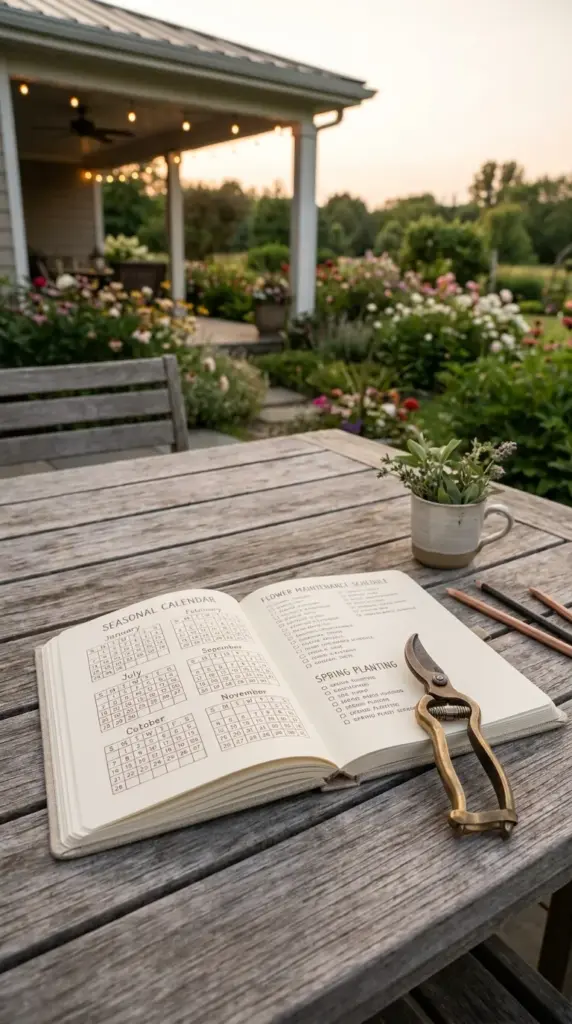
To avoid my noon-time disaster, you need a strict calendar for your midsummer garden care. Start feeding your seedlings with a diluted, weak dose of liquid plant food about two weeks after they sprout from seed.
Once they are established in your raised beds, switch to a steady monthly schedule using your chosen slow release fertilizer. Stop all heavy nitrogen feeds the moment your first main buds open, shifting entirely to phosphorus-heavy drenches to maximize your flower yields.
Safe Application Techniques to Avoid Chemical Scorch
Never apply any highly concentrated plant food to completely bone-dry flower bed soil, or you will instantly fry the roots. Always give your flower rows a deep, thorough watering the evening before you plan to fertilize them.
If you are using synthetic options, make sure to rinse the fresh foliage with clean water immediately afterward to wash away any stray chemical salts. Taking these quick, simple precautions will protect your sturdy stems from accidental cosmetic damage or severe nutrient shock.
And honestly, putting these application rules into action is the final puzzle piece to unlocking that dream cut-flower oasis, so push that next button below because I’m wrapping up everything we’ve learned to get your garden fully prepped for peak harvest season!



GIPHY App Key not set. Please check settings