

 The Home Growns
Mini Farm Care Made Simple: Keep It Growing Without the Overwhelm
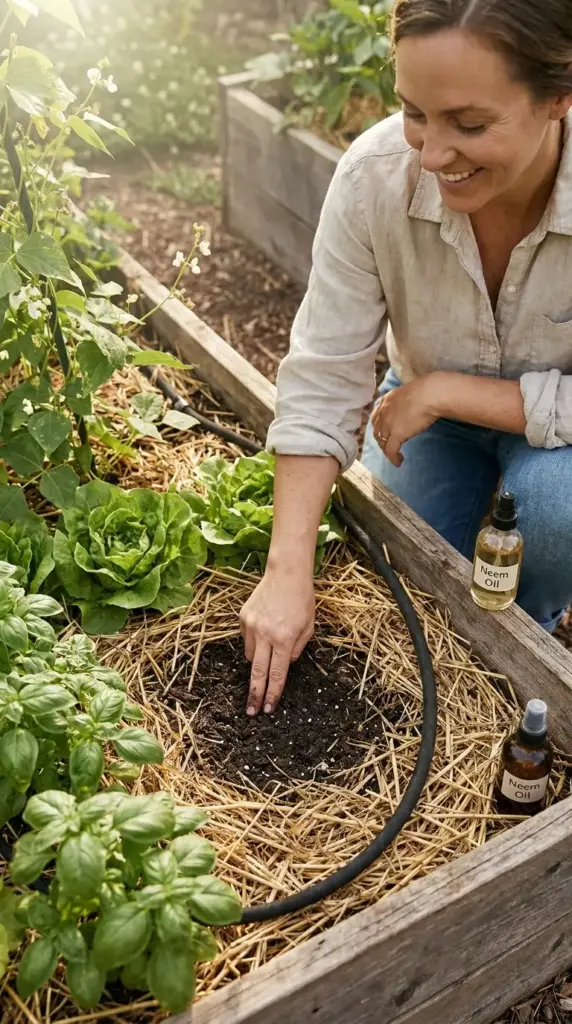
I killed an entire bed of lettuce once because I watered it every single day thinking I was being a great gardener.
Turns out I was drowning it. Nobody tells you that overwatering is just as deadly as neglect.
Watering Schedules That Actually Fit Your Life
The golden rule of vegetable garden watering is simple — water deeply and less frequently.
Most fast-growing vegetables need about 1 inch of water per week. That usually means watering every 2–3 days in moderate weather, not daily.
Here’s my personal rule of thumb: stick your finger 2 inches into the soil. If it feels dry at that depth, water. If it’s still moist, walk away.
Morning watering is always best — it reduces evaporation and prevents the fungal issues that come with wet foliage overnight.
The Low-Maintenance Routine That Actually Works
This is the part where I promise you — garden care doesn’t have to consume your weekends.
A simple weekly rhythm covers everything:
- Monday: Quick visual check — look for yellowing leaves or pest damage
- Wednesday: Water deeply if soil moisture test says it’s needed
- Friday: Light weeding and a liquid fertilizer feed every other week
That’s genuinely it for most weeks.
Mulching is your biggest time-saving secret. A 2–3 inch layer of straw or wood chips around your plants suppresses weeds, retains moisture, and regulates soil temperature simultaneously.
Recognizing & Dealing With Common Pests Fast
I’ll be honest — pest identification still trips me up sometimes.
But catching problems early is everything. Here are the most common culprits in mini farms:
| Pest/Problem | Signs | Quick Fix |
|---|---|---|
| Aphids | Sticky residue, curled leaves | Blast with water, apply neem oil |
| Fungal disease | White powdery coating on leaves | Improve airflow, apply baking soda spray |
| Slugs | Irregular holes in leaves overnight | Diatomaceous earth around bed edges |
| Whiteflies | Tiny white insects under leaves | Yellow sticky traps, neem oil spray |
| Root rot | Wilting despite wet soil | Improve drainage immediately |
Neem oil is genuinely the Swiss Army knife of organic pest control. Keep a bottle on hand always.
Seasonal Care by Climate
This is where one-size-fits-all gardening advice completely falls apart — and why I always ask where someone gardens before giving recommendations.
Cold climates (Minneapolis, Chicago, Detroit): Protect plants from early frost with row covers starting in September. Transition to cold-hardy crops like kale and spinach in late summer. Consider a cold frame to extend your season by 4–6 weeks on both ends.
Mild winters (Atlanta, Dallas, Los Angeles): You have a genuine superpower — year-round growing potential. Succession plant cool-season crops like lettuce and carrots straight through winter. Use shade cloth during peak summer heat to prevent bolting.
Mid-range cities (NYC, Philadelphia, Washington DC, Seattle): Focus on spring and fall as your prime growing seasons. Summer works beautifully for heat-lovers like beans and basil. Plan a fall garden starting in late July for a second harvest wave.
Self-Watering Containers & Drip Irrigation
This is honestly the upgrade that changed my gardening life most dramatically.
Self-watering containers have a built-in reservoir that wicks moisture up to roots as needed. They’re perfect for busy schedules — some only need refilling every 5–7 days.
Drip irrigation systems sound intimidating but aren’t. A basic soaker hose setup connected to a simple timer costs around $30–$50 and essentially waters your garden for you.
Pair a drip system with a smart timer app like Rachio or Rain Bird and your watering becomes almost entirely automated. Genuinely life-changing for the busy woman who still wants a thriving garden.
Keeping Your Mini Farm Thriving Year-Round
The biggest mindset shift for long-term success? Stop thinking seasonally and start thinking cyclically.
As one crop finishes, immediately amend your soil with compost and replant with the next season’s appropriate crop. This keeps your beds productive and your soil healthy continuously.
Summer heat tips:
- Add extra mulch to retain moisture during heat waves
- Water at the base of plants only — never overhead in peak heat
- Provide afternoon shade for cool-season stragglers using a simple shade cloth
Fall transition tips:
- Direct sow spinach and kale 6–8 weeks before your first fall frost date
- Pull spent summer crops immediately and compost healthy plant material
- Top dress beds with 2 inches of fresh compost before winter sets in
The garden rewards consistency over intensity — small, regular attention beats occasional marathon sessions every single time.
Up next, we’re bringing it all home — literally. The harvest-to-table section is packed with quick recipes, preservation tips, and ideas for sharing your mini farm bounty beautifully. Hit next! 🥗✨


GIPHY App Key not set. Please check settings