

 The Home Growns
Garden Care Routines That Keep Your Mini Farm Thriving
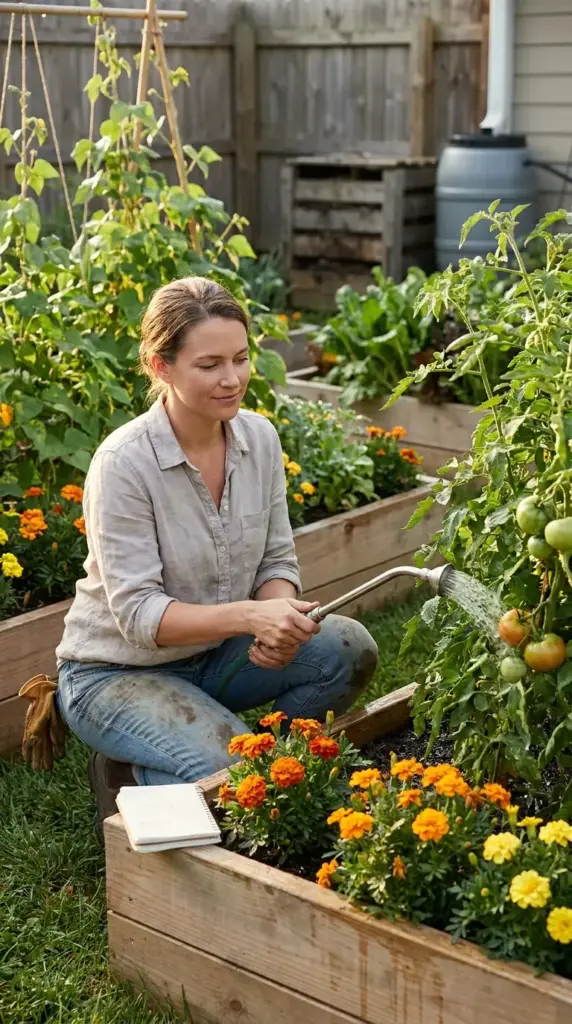
Real talk — I killed a tomato plant once by overwatering it. I thought I was being a good plant mom.
Turns out, love and water are not the same thing.
Build a Weekly Care Schedule You’ll Actually Stick To
The secret to a thriving mini farm isn’t talent — it’s consistency.
Block out just 20 to 30 minutes, three times a week and you can maintain a surprisingly productive small farm without burning out.
I treat my garden time like a standing appointment. Non-negotiable, and honestly my favorite part of the week.
Watering Best Practices That Actually Make a Difference
Most plants need 1 to 1.5 inches of water per week — but how you deliver it matters enormously.
Water deeply and infrequently rather than shallow daily sprinkles. Deep watering encourages roots to grow downward, making plants significantly more drought-resistant.
Always water at the base of the plant, early morning — wet foliage overnight is basically a standing invitation for fungal disease.
Natural Pest Control That’s Safe for Everyone
Chemical pesticides and a thriving mini farm ecosystem simply don’t mix well — especially with kids and pets around.
Neem oil, diatomaceous earth, and insecticidal soap handle the majority of common garden pests without harming pollinators or your family.
Planting marigolds as border plants is one of my absolute favorite tricks — they repel nematodes, aphids, and whiteflies beautifully.
Soil Health — The Foundation of Everything
Healthy soil isn’t just dirt. It’s a living ecosystem that needs regular feeding.
Top dress your beds with compost every 4 to 6 weeks during the growing season and apply a 2 to 3 inch layer of mulch to retain moisture and suppress weeds simultaneously.
Practice crop rotation annually — never plant the same family of vegetables in the same spot two seasons in a row.
Seasonal Care That Keeps You Ahead
Spring means soil prep and early planting. Summer is about consistent watering, harvesting, and pest monitoring.
Fall is for planting cool-season crops and adding compost. Winter is your planning season — rest, research, and get excited for next year.
Each season has a rhythm. Once you feel it, gardening becomes genuinely intuitive.
Troubleshooting Common Mini Farm Problems Fast
Yellowing leaves usually signal nitrogen deficiency or overwatering. Leggy seedlings mean insufficient light. Blossom drop on tomatoes typically indicates temperature stress.
Keep a simple garden journal — even just photos on your phone — to track problems and patterns over time.
You’ll be amazed how quickly you develop an eye for what your plants are telling you.
Your mini farm is growing beautifully — now let’s make it stunning. Hit next to discover how to design a mini farm that’s as gorgeous as it is productive. 🌿✨


GIPHY App Key not set. Please check settings