

 The Home Growns
What to Plant for Maximum Yield in a Small Space
I once planted an entire raised bed with just watermelons. One variety. Taking up everything.
We got three watermelons. Three. It was a very humbling summer.
Start With High-Yield Vegetables That Actually Deliver
Some plants are just workhorses — and those are the ones you want filling your mini farm first.
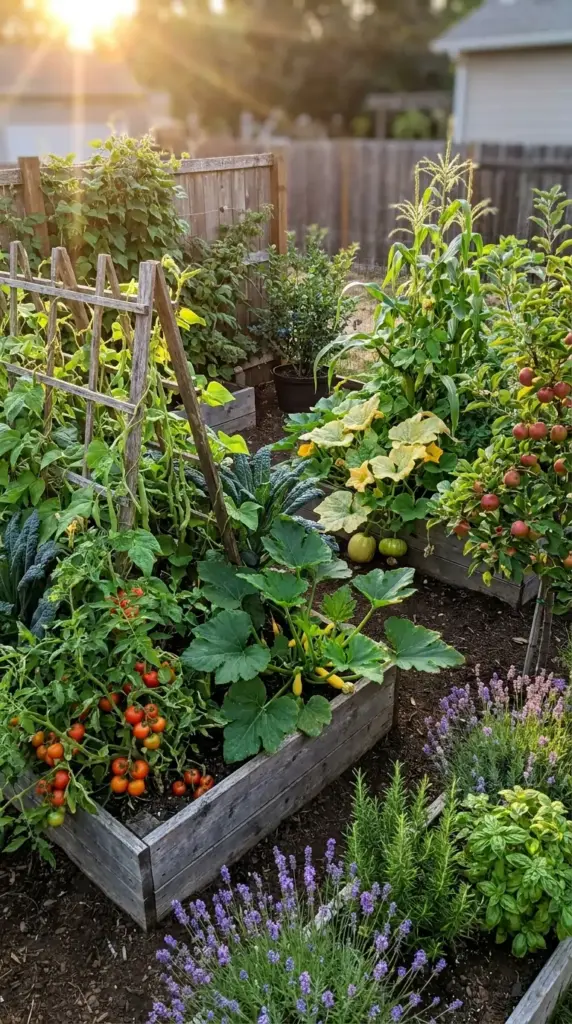
Tomatoes, zucchini, kale, and pole beans are consistently among the highest-yielding vegetables per square foot you can grow.
A single zucchini plant can produce 6 to 10 lbs of food over a season. One plant. Let that motivate your layout decisions.
Companion Planting — Nature’s Own Productivity Hack
Companion planting is basically letting plants be good neighbors to each other.
The classic example is the Three Sisters method — corn, beans, and squash planted together to mutually support growth, fix nitrogen, and suppress weeds naturally.
It sounds old-fashioned, but honestly? It works beautifully.
Succession Planting Keeps Your Harvest Going
Here’s the move most beginners completely miss — succession planting.
Instead of planting everything at once and drowning in lettuce for two weeks, you stagger plantings every 2 to 3 weeks to maintain a continuous, manageable harvest all season long.
Game. Changer. Especially for salad greens and radishes.
Herbs That Work Double Duty
Don’t sleep on herbs — they’re arguably the highest value plants on a per-square-foot basis.
Basil repels aphids. Lavender attracts pollinators. Rosemary deters cabbage moths. They’re pulling pest control duty while stocking your kitchen.
I keep a dedicated herb border around my veggie beds now. Functional and honestly really pretty.
Fruit Trees & Berry Bushes for Small Spaces
Dwarf apple trees, fig trees, blueberry bushes, and raspberry canes are all perfectly suited for mini farm footprints.
Many dwarf varieties thrive in containers or small dedicated zones and begin producing fruit within 1 to 2 years of planting.
They’re long-term investments that keep giving — literally for decades.
Match Your Planting Calendar to Your Climate Zone
The USDA divides the US into 13 hardiness zones — and planting outside your zone is a fast track to frustration.
Cities like Atlanta and DC have longer growing seasons than Seattle or Minneapolis, so your calendar will look different depending on where you live.
The Old Farmer’s Almanac planting calendar online is free, zone-specific, and genuinely one of the most useful tools I’ve ever bookmarked.
Now that you know what to grow, let’s talk about the tools and supplies that’ll actually make it happen — hit next to discover the must-have gardening supplies for your mini farm. 🛒🌿

GIPHY App Key not set. Please check settings