

 The Home Growns
How to Plan Your Mini Farm Layout Like a Pro
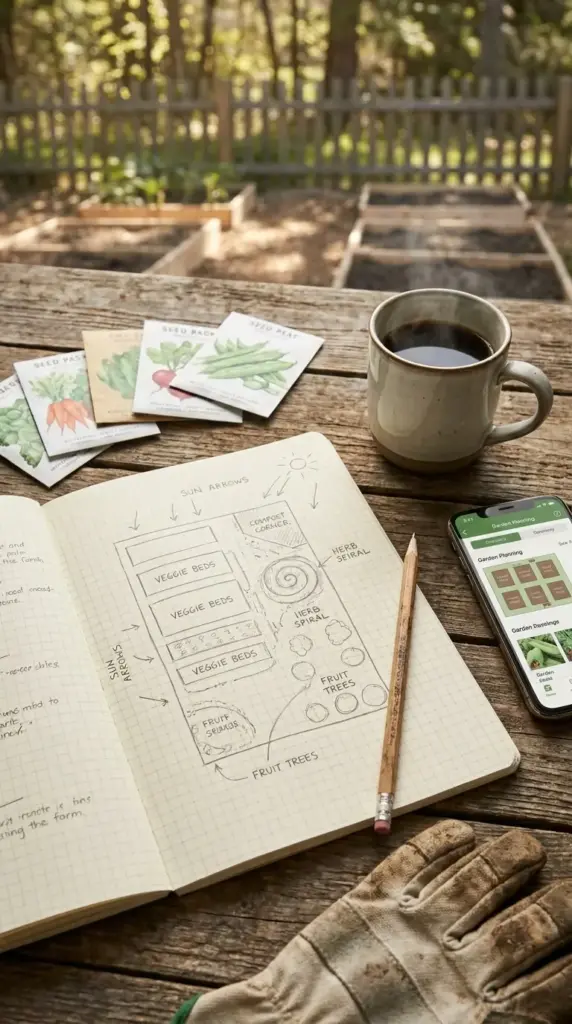
Planning my first mini farm layout was… a disaster. I drew it on a napkin, ignored the sun, and planted tomatoes in the shadiest corner of my yard.
Lesson learned — the hard way.
First, Honestly Assess Your Space
Before you buy a single seed, walk your entire property with fresh eyes.
Look at yards, side lots, patios, and even rooftops — you’d be surprised what’s usable space you’ve been ignoring.
I found a narrow side lot between my fence and driveway that became my best herb garden. It was just sitting there for years.
Sketch It Out — Function Meets Beauty
Your layout should work and look good. These aren’t mutually exclusive.
Grab some graph paper or open a free tool like Canva or Garden Planner and start sketching zones — even rough ones count.
Think of it like designing a room. Flow, balance, and visual appeal matter just as much as practicality.
Zone Your Farm Intentionally
Zoning is the secret weapon of every productive mini farm.
Group your veggie beds near the kitchen for easy harvesting, tuck your compost area discreetly in a back corner, and let fruit trees anchor your design like living sculptures.
Herb spirals? Absolute game changers — beautiful, space-efficient, and endlessly useful.
Sun Mapping Is Non-Negotiable
I cannot stress this enough — track your sunlight before you plant anything.
Walk your space at 8am, noon, and 4pm and note where the sun hits. Most vegetables need 6 to 8 hours of direct sunlight daily to produce a real yield.
Skipping this step is probably the #1 mistake new mini farmers make.
Use Free Digital Tools to Plan Smarter
Apps like Planter, SmartGarden, and even Google Earth can help you map your space digitally with surprising accuracy.
Some are free, some have small subscriptions — but honestly, even a free version saves you so much trial and error.
Make It Pretty Enough to Love
Here’s my personal rule: if your garden doesn’t make you smile when you look at it, you won’t take care of it.
Add decorative raised beds, stone pathways, or climbing trellises that double as design features. Your mini farm should complement your home, not clash with it.
Up next — we’re diving into which garden type actually fits your space and goals, and trust me, there are more options than you think. 🌿


GIPHY App Key not set. Please check settings