

 The Home Growns
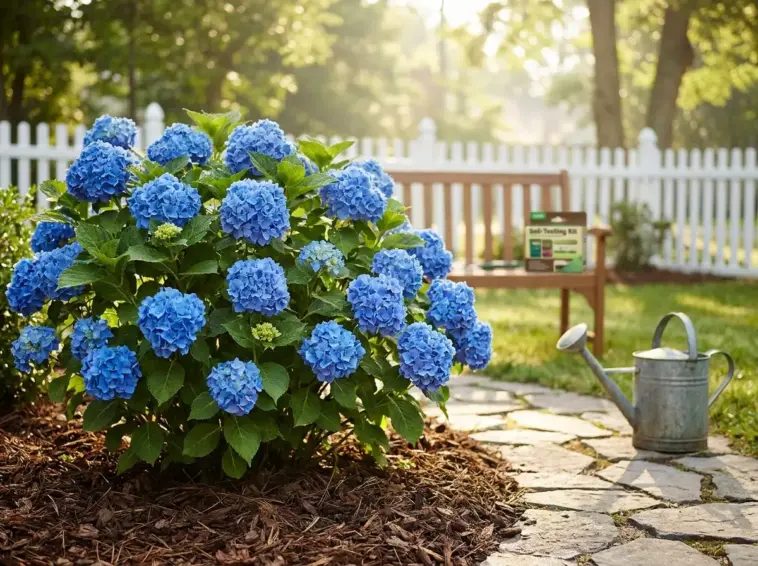
I’ll be honest. Electric blue hydrangea blooms are not just about buying a plant with a pretty tag photo and hoping for the best.
I learned that the hard way after planting a so-called blue mophead that turned a weird muddy lavender by July.
It was rude, honestly, but it taught me what actually matters.
Why “Electric Blue” Hydrangeas Are So Hard to Get
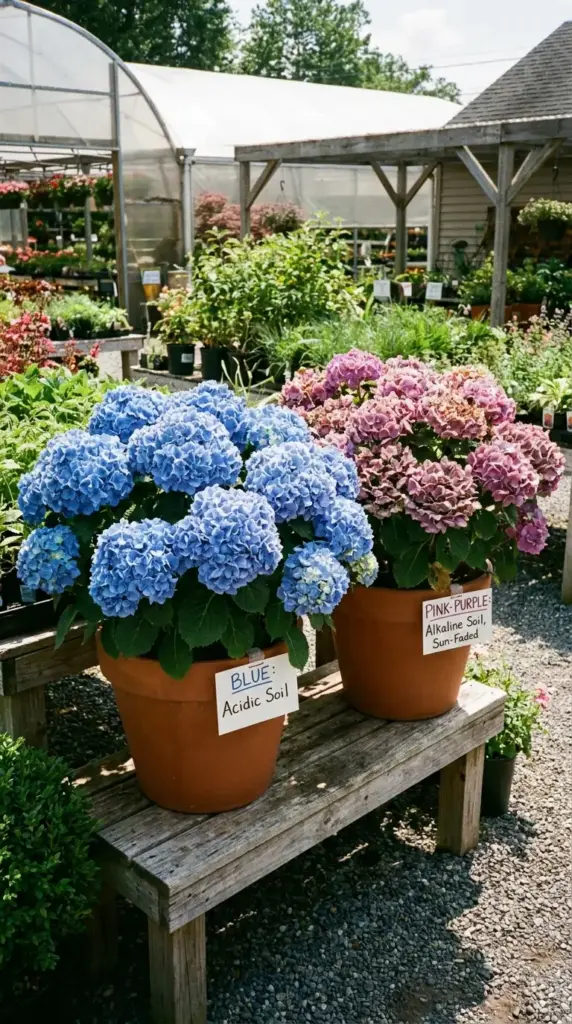
Tag Color vs. Real Garden Color
A plant tag shows what the variety can do, not what it will do in your yard. Hydrangea bloom color depends heavily on soil chemistry, water, and stress.
Not All Hydrangeas Change Color
Bigleaf hydrangea and many mophead hydrangea or lacecap hydrangea types can shift blue or pink. White hydrangeas usually stay white, and panicle hydrangeas don’t play the color-change game much at all.
Garden Centers Often Skip the Important Part
A lot of stores sell “blue hydrangeas” without explaining that blue flowering shrubs need the right hydrangea soil pH and available aluminum. Without both, that bold blue can drift purple, mauve, or straight-up pink.
Why Home Gardens Change Everything
Your native soil, hard water, and fertilizer routine can undo the nursery setup fast. I’ve seen a Nikko Blue hydrangea go pink in one season just because the soil was too alkaline.
The good news is this problem has a fix, and the next section is where the real secret starts, so hit the next button below.



GIPHY App Key not set. Please check settings